Appliance Leak Water Damage in King of Prussia, PA
An appliance can hide a leak until water emerges at a cabinet edge or adjoining room. The cleanup team traces appliance leak water damage in King of Prussia from the supply or drain into the surrounding floor assembly.
(888) 557-1733Check behind wet cabinets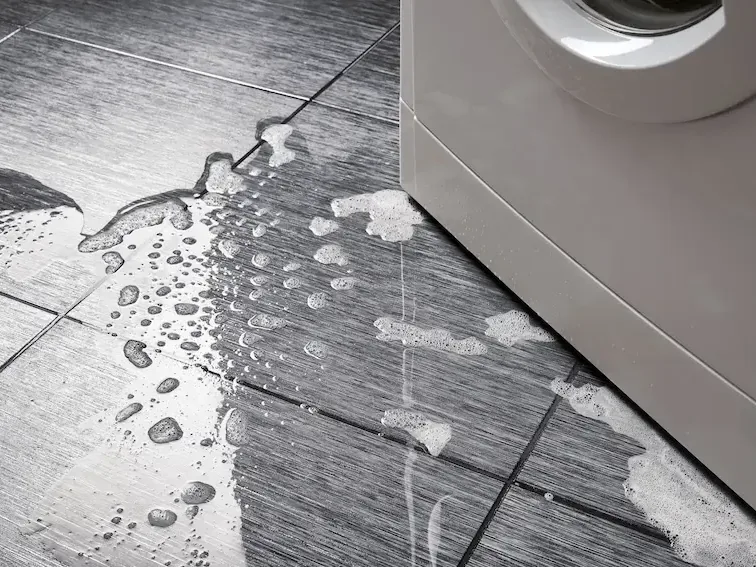
First steps for appliance leak water damage
- 1
Stop the appliance safely
Occupants stop using the leaking unit and isolate a reachable water supply only from a safe position. Wet electrical connections remain untouched.
- 2
Keep the connection visible
The household records when water appears and which cycle was running. The crew preserves useful source details before the appliance moves.
- 3
Protect adjoining dry flooring
The team plans a route for appliance movement and wet contents so water or damaged feet do not mark unaffected finishes.
- 4
Check beneath the room
An upstairs appliance loss can reach lower ceilings. Occupants avoid wet fixtures or bulges while the technician maps the vertical path.
How the team approaches appliance leak water damage
Assess the affected assembly
The water category depends on whether the release comes from a sanitary supply or used appliance water. The crew evaluates that source, accesses trapped moisture beneath the unit and checks adjoining cabinets before selecting cleaning and drying methods.
A leaking appliance may leave energized connections beside the wet floor. Safe isolation comes before movement, and the response team checks hidden water beneath the unit before setting drying equipment nearby.
(888) 557-1733Review appliance accessWhat does appliance leak water damage cost in King of Prussia, PA?
Appliance leak mitigation often ranges from $600 to $1,800 for a small accessible area, $1,800 to $4,500 beneath cabinets or flooring and $4,500 to $8,000 when water crosses rooms or levels. Water category, access and material damage set the scope; appliance repair is separate.
Compare the inputs in the water damage cost calculator.
The appliance leak water damage process in King of Prussia
- 1
Identify the release type
The assessment records the supply or drain connection and appliance activity, using source findings to establish contamination and the initial cleanup boundary.
- 2
Access beneath the unit
The crew coordinates safe appliance movement and protects dry flooring, exposing wet edges and recording conditions before extraction or material removal changes them.
- 3
Clean and dry the assembly
Appropriate cleaning precedes drying when used water is involved, and equipment targets accessible cabinet bases, floor layers and adjoining wet surfaces.
- 4
Recheck concealed margins
The technician measures the perimeter after visible water clears, confirming that trapped moisture is not left beneath replacement finishes or a reinstalled appliance.
A dishwasher discharge, refrigerator supply and washer hose failure can leave similar puddles but require different cleanup decisions. The assessment records the appliance cycle and connection involved when known. It also checks the concealed floor where the first water may have collected long before it became visible.
Cabinet and floor edges reveal hidden spread
Local capes, colonials and split levels often have altered room layouts over time, so the crew inspects the actual appliance and surrounding construction. Upper Merion Township's varied housing stock does not justify assumptions about a particular hose or floor material. A wet toe kick can signal water beneath cabinets even after the open kitchen floor clears.
In shared housing at King of Prussia Town Center, an upper laundry release may also affect the room below. An occupied property near DeKalb Pike can require careful appliance movement to preserve access and prevent damage to dry flooring. The technician records those constraints before arranging extraction or selective opening.
Different connections, different cleanup decisions
- A failed supply hose can continue releasing water between appliance cycles until the supply is isolated.
- A drain-related release may contain used water that changes cleaning and porous-material decisions.
- Cabinet sides can swell while water remains hidden beneath a plinth or adjacent floor covering.
- A refrigerator leak may migrate under a finish before a visible puddle appears in front of the appliance.
- An upper-level washer leak warrants checks of ceilings and electrical components in the rooms beneath it.
Access should preserve the evidence
The crew photographs connections and surrounding damage before moving a unit when safe conditions allow. Repair findings establish the failed component; drying records document what the escaped water affected. EPA WaterSense offers water-use information, and EPA indoor-air resources explain moisture concerns inside buildings. The team bases removal on actual material condition instead of declaring that every cabinet or floor can be saved.
Appliance leak water damage in King of Prussia
The restoration team covers ZIP 19406 in Upper Merion Township, including homes around DeKalb Pike and the mixed residential and commercial buildings at King of Prussia Town Center. Service also extends to King Manor, Gulph Mills and the nearby boroughs listed in the service area.
Appliance Leak Water Damage questions
A leaking appliance may leave energized connections beside the wet floor. Safe isolation comes before movement, and the response team checks hidden water beneath the unit before setting drying equipment nearby.
(888) 557-1733Are all appliance leaks Category 1?
No. A sanitary supply release differs from wastewater leaving a dishwasher or washing machine. Contact history and time can further change the water condition. The team establishes the category before deciding which porous materials can remain and what cleaning is needed.
Why remove a toe kick?
A toe kick can block inspection and evaporation beneath a cabinet. Selective access may reveal pooled water or wet cabinet sides that the visible floor does not show. The crew explains the reason for access and records the condition before removing material.
Can a refrigerator supply leak stay hidden?
Yes. A small release behind the unit can travel beneath flooring or into adjacent cabinets before it reaches the open room. The technician checks concealed margins and uses moisture readings to establish the affected area rather than relying on the visible puddle.
Does appliance repair finish the water damage work?
Repair stops the source, but absorbed water can remain in the building. The restoration scope addresses extraction, cleaning when needed and drying. Final measurements help establish whether the surrounding floor and cabinetry are ready for normal use or separate repair.
What if a washer leaked from an upper floor?
The inspection should follow the path into rooms and cavities below the laundry area. Wet ceilings and electrical components require a safe access plan. Building management may need to coordinate entry if another unit or common area is involved.
Can damaged cabinets always be dried in place?
No. Swelling, delamination, contamination and restricted access can make replacement necessary. Some sound materials may dry with suitable exposure and equipment. The team documents condition and progress before deciding whether continued drying is practical for a particular cabinet assembly.
Find the water the appliance conceals
The drying crew checks cabinet bottoms, floor layers and lower rooms after the source receives separate repair attention.