Water Damage Restoration in Collegeville
A spreading puddle can hide a much larger wet area beneath flooring. Collegeville property owners can arrange water removal, material inspection and a drying plan that follows the moisture through each affected room.
(888) 557-1733Discuss the affected roomsKeep people away from wet electrical equipment and unstable ceilings. Describe the source and affected spaces when requesting cleanup help.
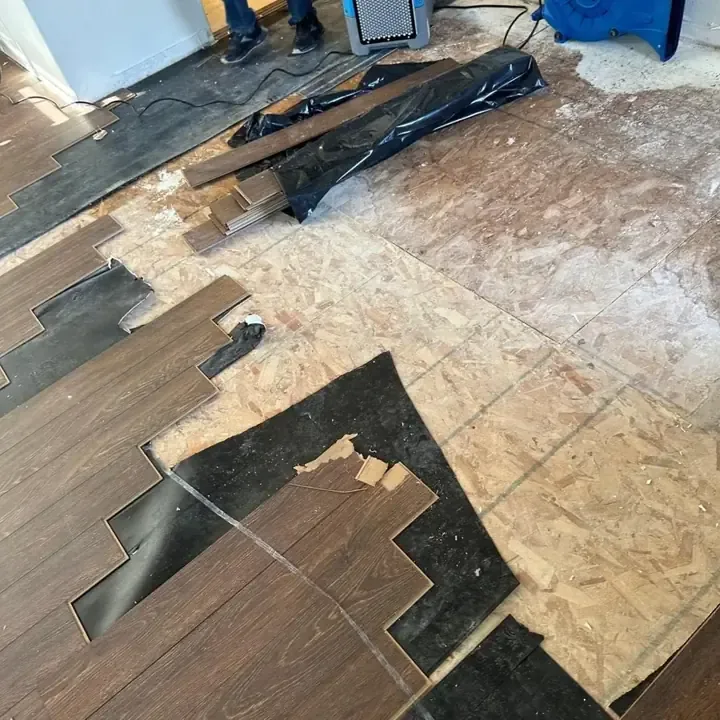
Make the next action a safe one
- 1
Stay on dry ground
Avoid crossing standing water to reach a switch, appliance or electrical panel. Arrange qualified help for unsafe access.
- 2
Interrupt the source
Use an accessible water shutoff only from a dry position. Active roof entry and sewage require different source controls.
- 3
Keep the room clear
Move children and pets away from spills. Prevent foot traffic from carrying dirty water into unaffected living areas.
- 4
Record visible conditions
Photograph the wet boundary from a safe position. Note which fixture, room or exterior opening first showed water.
- 5
Describe hidden concerns
Mention soft ceilings, wet stairs and water beneath fixed cabinets so the inspection can include those less accessible locations.
Different sources need different cleanup decisions
A broken supply pipe, an overflowing fixture and outdoor flooding leave different conditions behind. Select the problem that best matches the visible damage, then arrange an assessment of hidden spread.
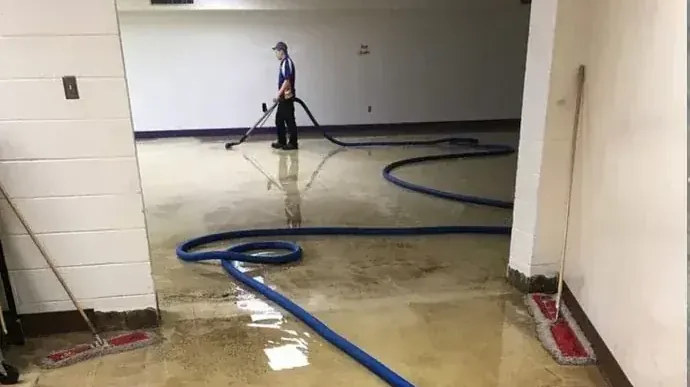 Water ExtractionStanding water needs a suitable removal method before floors can dry. Explore access, depth and extraction choices.
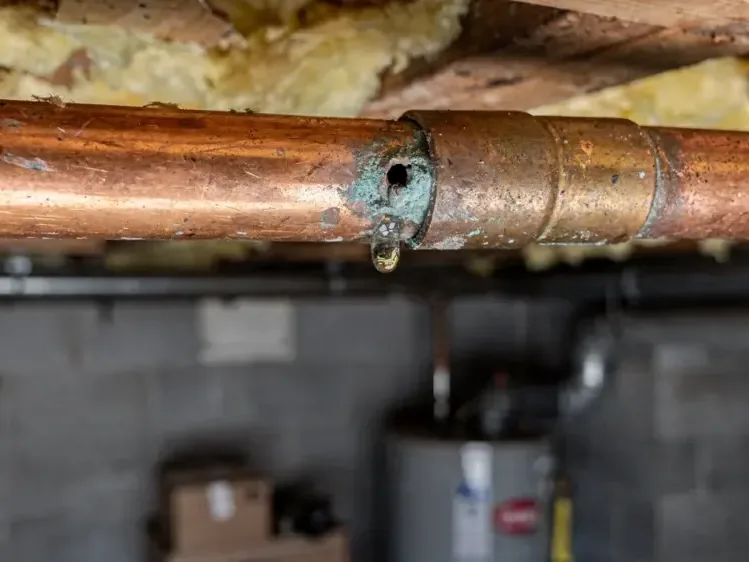 Burst Pipe Water DamageA sudden pipe release can reach several rooms through cavities. Follow the escaped water beyond the repair location.
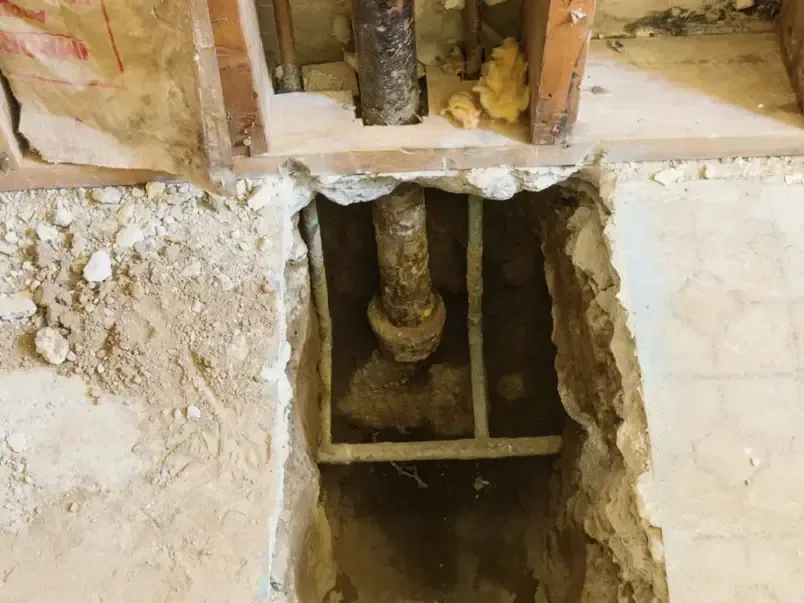 Slab Leak Water DamageDamp floor edges may continue after a concealed pipe is repaired. Consider moisture trapped above or beneath concrete.
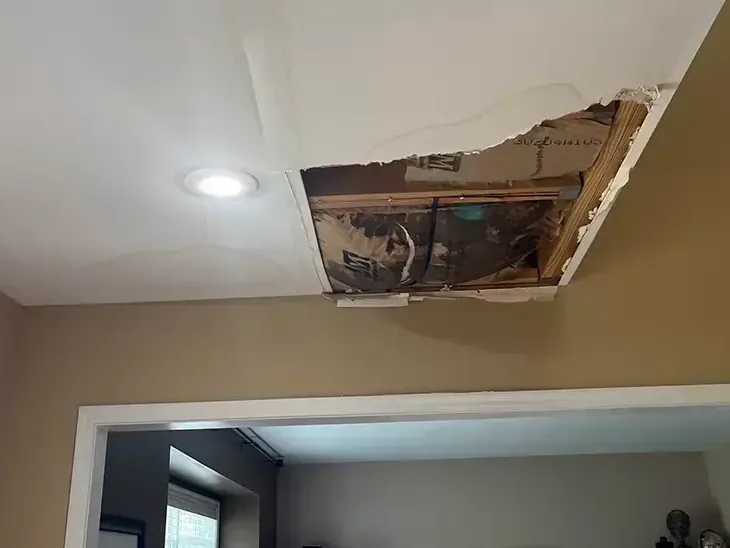 Ceiling Leak Water DamageA ceiling stain needs source tracing before repainting. Learn how wet overhead materials affect safe room access.
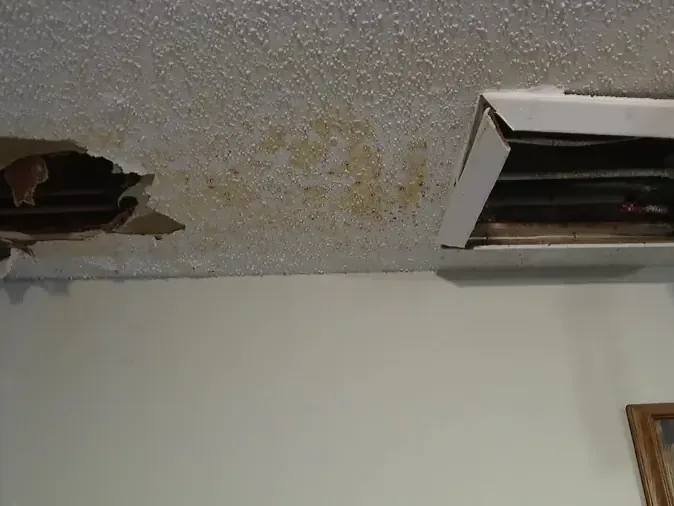 Roof Leak Water DamageRain entering overhead may soak insulation before reaching the room. Separate roof repair from the interior drying work.
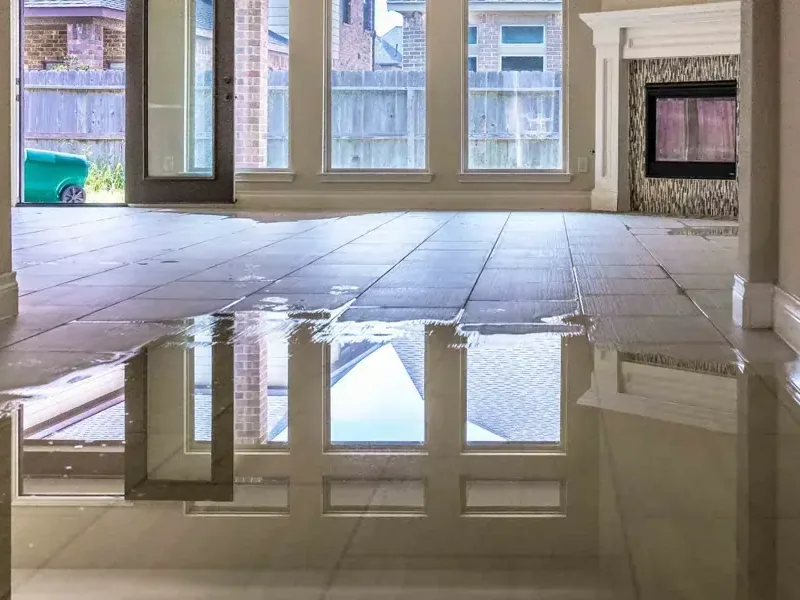 Storm Flood CleanupOutdoor floodwater brings cleaning decisions as well as pumping needs. Examine contaminated materials and the route of entry.
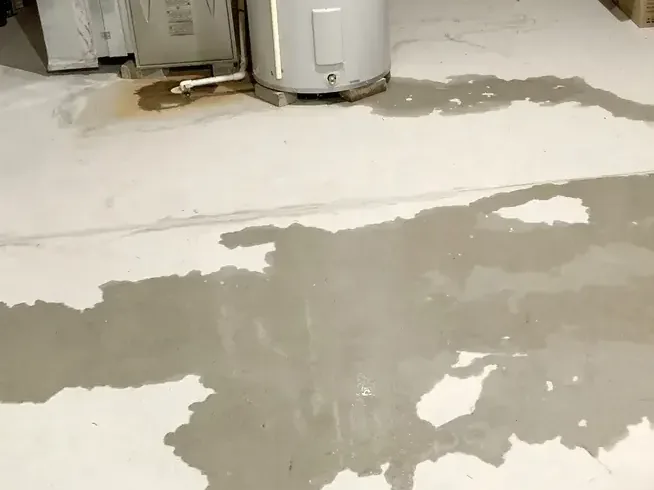 Water Heater Leak CleanupA leaking tank can wet nearby partitions and stored belongings. Check the enclosure after the equipment is isolated.
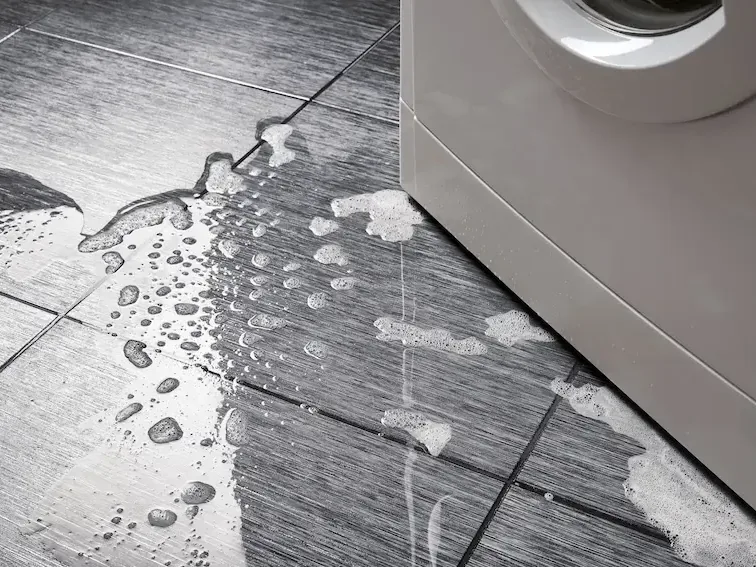 Appliance Leak Water DamageWater beneath a dishwasher or washer can stay hidden. Inspect cabinet bases and flooring around the appliance footprint.
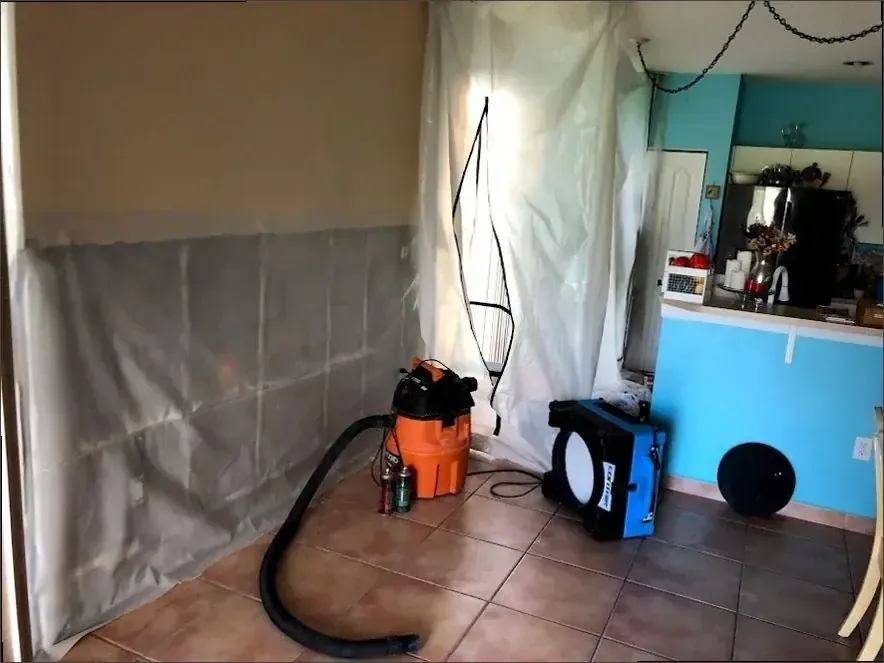 Toilet Overflow CleanupOverflow cleanup starts with controlling access and stopping fixture use. Evaluate the water source before handling bathroom materials.
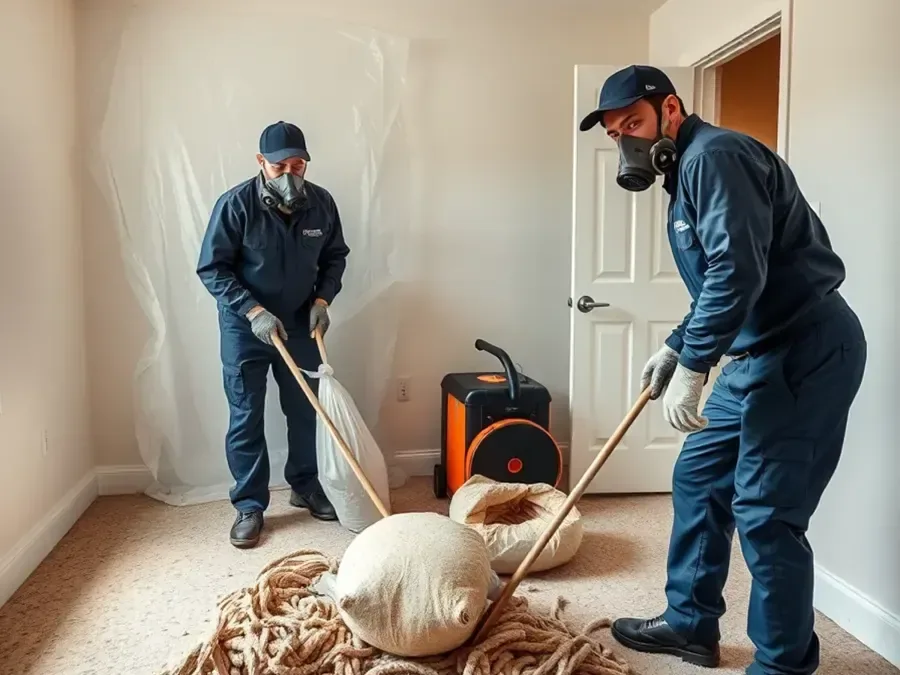 Sewage Backup CleanupWastewater requires controlled removal and careful handling of porous finishes. Examine the cleanup boundary before reopening affected rooms.
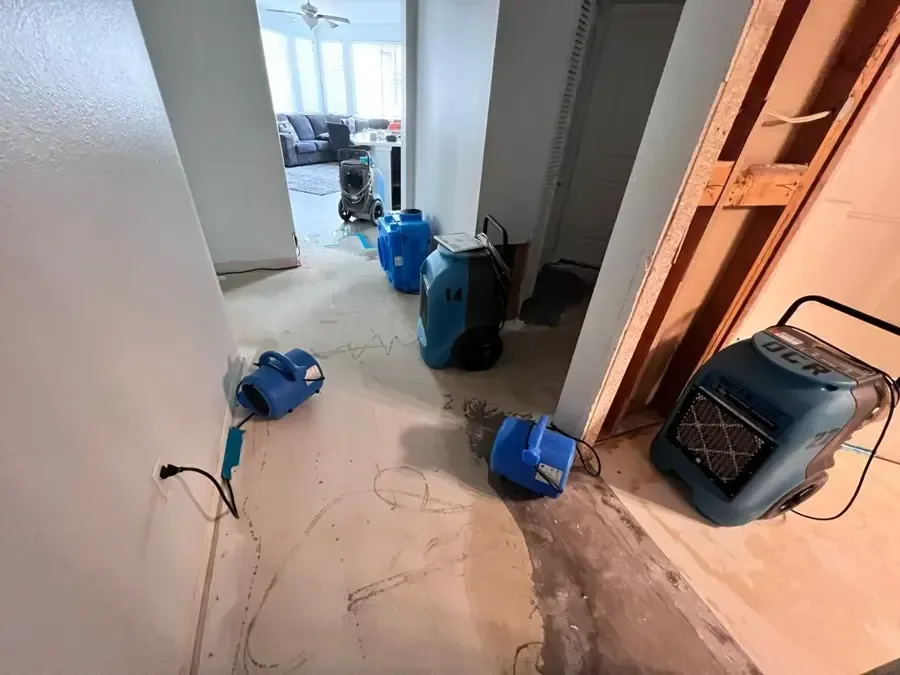 Structural DryingSurface dryness cannot reveal moisture inside an assembly. Follow readings through the drying work before finishes are replaced.
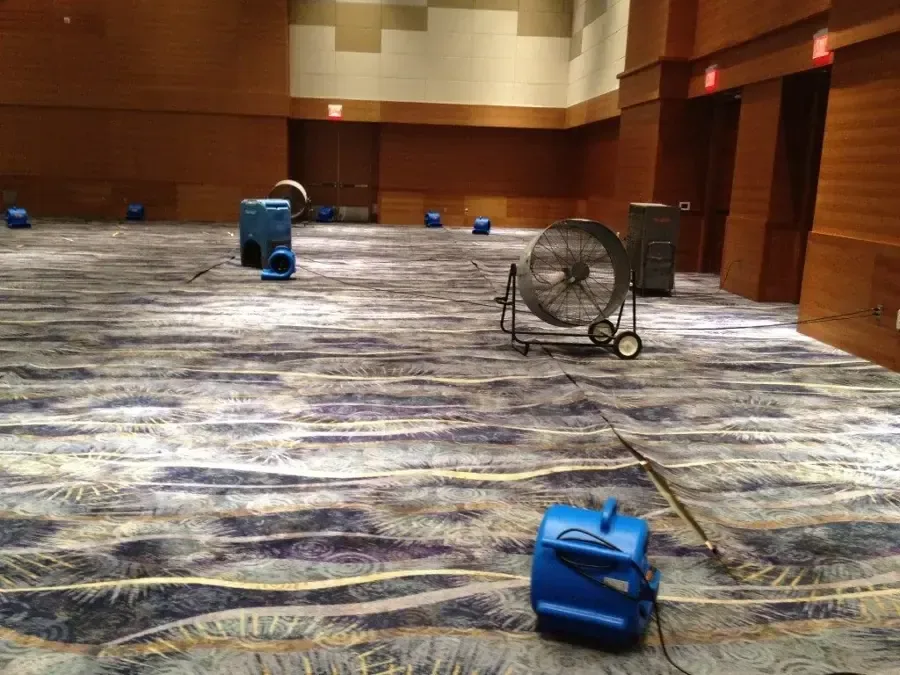 Commercial Water DamageWet business space needs an access plan alongside cleanup. Coordinate affected rooms, contents and decisions about continued occupancy.
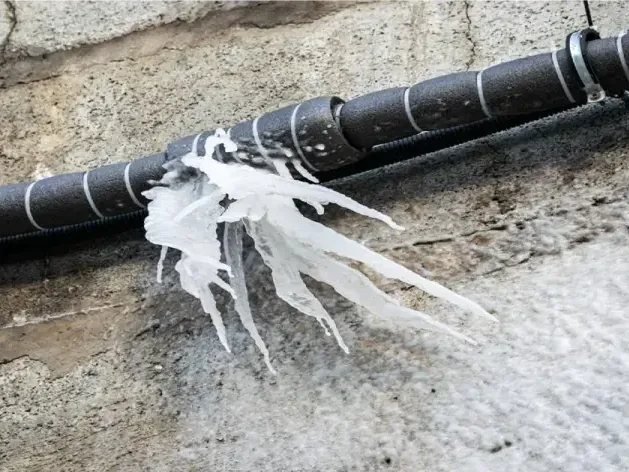 Frozen Pipe Water DamageA thawing pipe may release water into an insulated cavity. Address the plumbing defect and inspect the surrounding assembly.
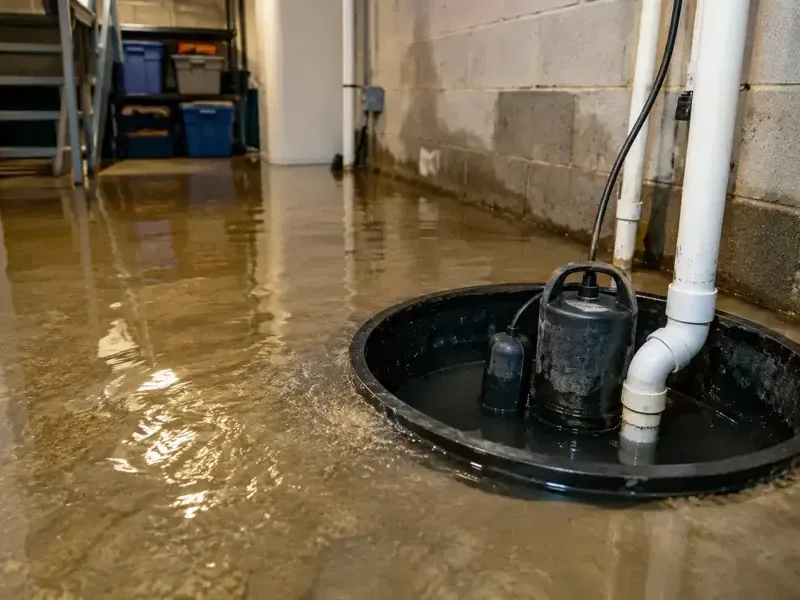 Basement Water RemovalLower level water can conceal electrical hazards and damaged contents. Plan safe entry before pumping or moving possessions.
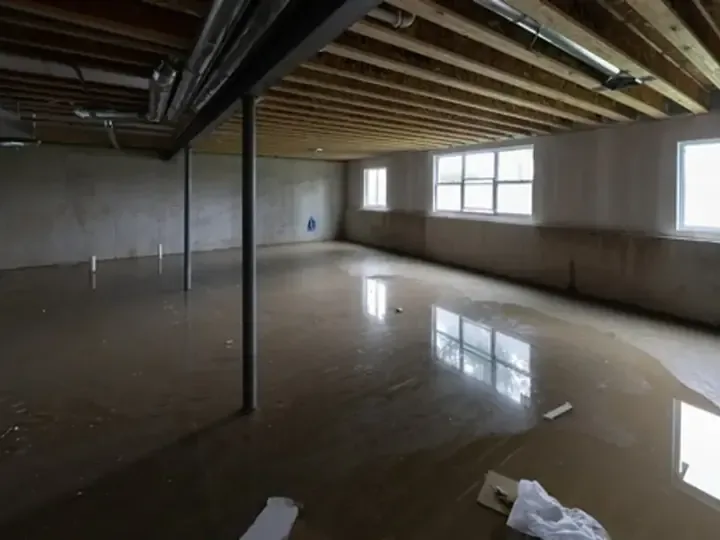 Sump Pump Failure CleanupA basin overflow can keep spreading while the pump is disabled. Coordinate drainage repair with removal and floor drying.
Follow moisture until the assembly is ready
Useful restoration work connects the initial water source to the materials it reached. Removal, cleaning and drying decisions should reflect that path, with observations recorded as the work changes the affected area.
- 1
Establish the wet boundary
Inspect the visible spill and adjoining spaces, including lower rooms where gravity may have carried water behind a finished surface.
- 2
Remove accessible water
Choose water removal equipment for the actual depth, surface and contamination conditions while protecting safe routes through the rest of the property.
- 3
Expose necessary drying paths
Evaluate whether trim, insulation or damaged finishes prevent access to retained moisture. Explain proposed openings before removing affected building materials.
- 4
Check before closing
Compare material readings with an appropriate dry reference and document remaining concerns before reconstruction conceals the assembly or drying equipment leaves the room.
The source changes what can stay
Fresh supply release
A plumbing supply spill still needs prompt inspection because contact with dirty surfaces and time can change cleanup conditions. Removal begins with understanding the source.
Examine standing waterUsed appliance water
A washer or dishwasher discharge may contain residues that affect floor and cabinet decisions. Identify the cycle, discharge route and materials reached before choosing cleaning methods.
Inspect appliance spreadSewage and outdoor contamination
Wastewater and flooding need controlled access, suitable protection and careful disposal decisions. Saturated porous items may need removal before exposed surfaces can be cleaned and dried.
Consider contamination controlsWhat influences restoration cost in Collegeville?
An initial allowance depends on the wet footprint, water condition and access to affected materials. A small visible puddle can cost more to restore when moisture has entered cabinets, insulation or several floor layers that require separate treatment.
These planning ranges describe cleanup conditions rather than a fixed quote. Pipe repairs, replacement equipment and reconstruction should be identified separately in the written estimate.
Know why each material needs attention
The most useful explanation connects a proposed action to an observed condition. A wet carpet backing, a swollen cabinet base and a damp wall cavity each call for a different discussion about cleaning, removal or drying.
When paying for cleanup directly
Request an itemized scope that explains removal, cleaning and drying before work begins. Ask how additional concealed damage will be documented and priced if the inspection reveals a larger affected assembly.
Keep optional finish changes distinct from work needed to address the water. A phased discussion can clarify immediate stabilization needs while leaving later replacement choices available for a separate decision.
Document the loss as it develops
Photographs and a clear sequence of events help explain a water loss. Record the first visible signs, source repair and cleanup decisions while retaining available invoices and material information for the insurer.
- Photographs showing the original wet room boundary
- Date and circumstances of the first discovery
- Notes identifying source repairs and contractor visits
- Item descriptions for damaged contents and finishes
- Cleanup estimates with separate reconstruction cost details
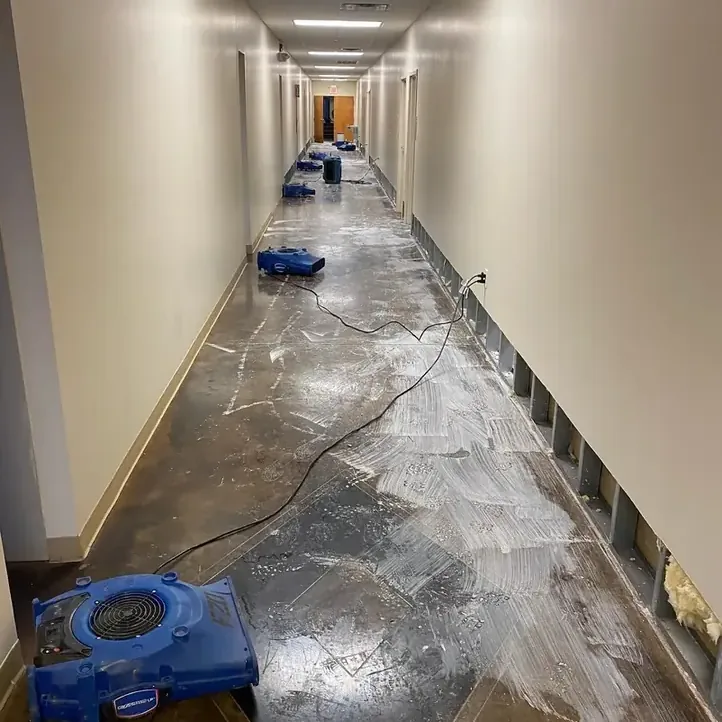
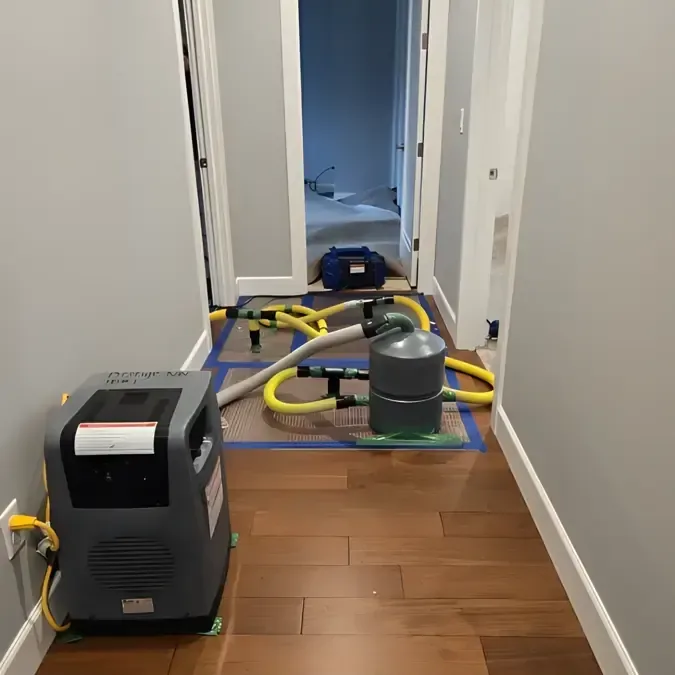
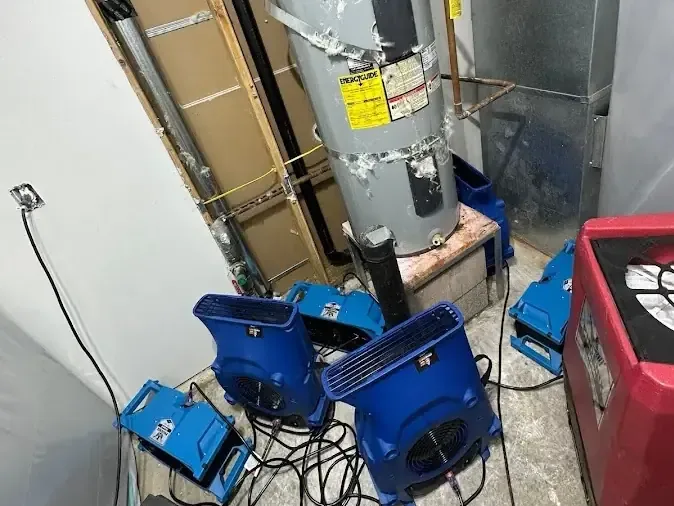
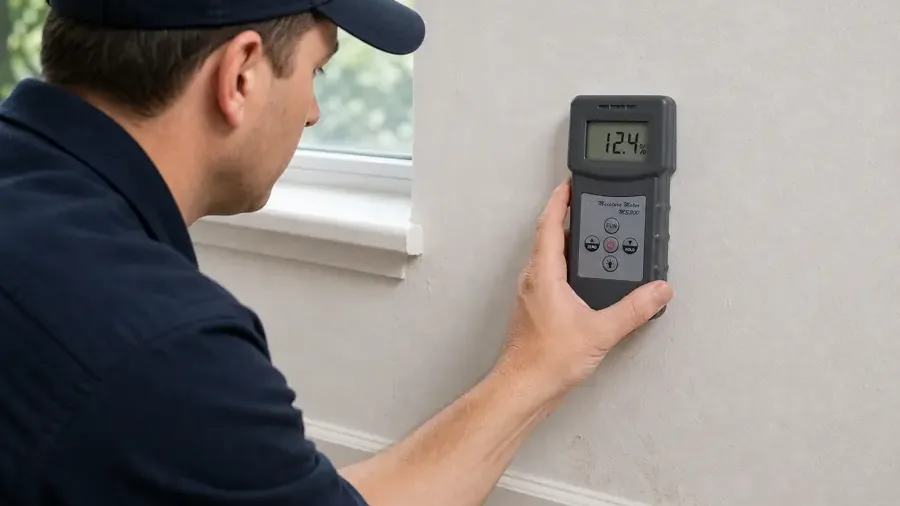
Examples of access, extraction and drying conditions
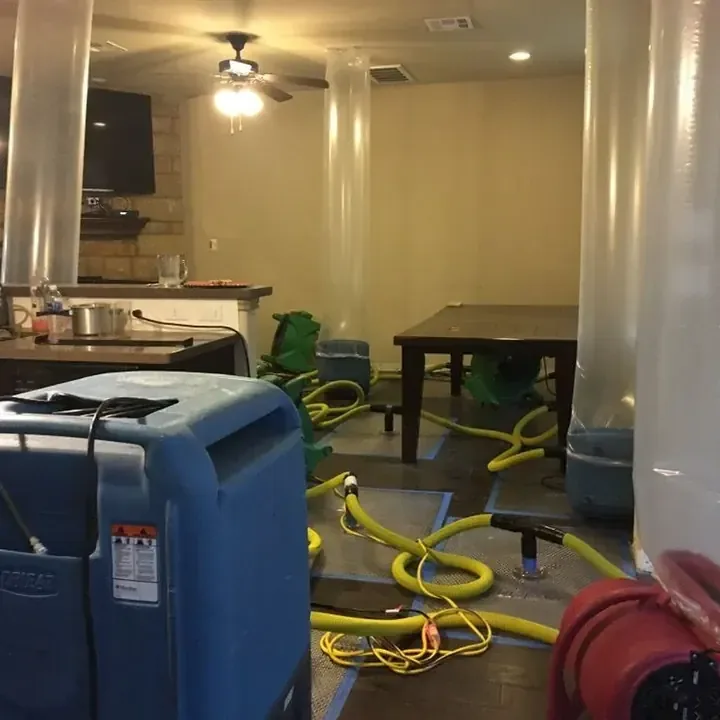
Describe the property as well as the mailing address
Collegeville is a borough in Montgomery County. The 19426 postal area extends beyond its boundary, so the full property location helps establish the correct destination and access arrangements.
Mention occupied rooms, locked entrances and visible water before scheduling. Campus properties and shared buildings may also need an authorized contact available to arrange entry.
Visible boundaries
Mark the affected area in a way that helps occupants understand where access is restricted and which nearby rooms need further inspection.
Specific material notes
Describe the condition of flooring, trim and wall layers individually so a general room label does not conceal an important drying obstacle.
Understandable estimates
Separate emergency cleanup tasks from later finish replacement, with explanations for work that becomes necessary when concealed damage is uncovered during inspection.
Useful completion records
Keep moisture observations and material decisions together so the next repair trade can understand the assembly's condition before restoring its finished appearance.
King of Prussia Water Damage Restoration
(888) 557-1733Check property access detailsCollegeville, PA · [email protected]
Creek flooding and everyday indoor leaks
Perkiomen Creek forms part of Collegeville's water setting. Major flood events require different decisions from a contained plumbing leak, while the borough's stormwater program addresses runoff from rain and snowmelt.
- Floodwater entry: Outdoor water can carry debris into living areas and concealed floor layers. Cleanup must address the water's contact path, affected contents and conditions for safe entry.
- Rain and snowmelt: The borough identifies detention, retention and infiltration basins among its stormwater measures. At an affected property, the inspection should distinguish exterior entry from an indoor plumbing release.
- Residential leak spread: Collegeville Crossing is a residential development in the borough. Within an individual home, room layout and finish layers determine where escaped water travels and becomes trapped.
- Campus access needs: Ursinus College includes Isenberg Hall, a residence hall. Occupied buildings need clear arrangements for access to wet rooms, protection of belongings and coordination with the responsible property contact.
- Separate drainage systems: The borough monitors storm sewer outfalls, including dry weather flows. A household sewage problem needs its own plumbing assessment and a cleanup plan for the affected interior.
Hurricane Ida, 2021: Hurricane Ida set a record on Perkiomen Creek in 2021. The borough reported more than 20 homes destroyed, with a flooded home acquisition program supported by FEMA hazard mitigation grants.
Arrange help for Collegeville properties
Places around the borough
- Main Street
- PA 29
- Collegeville Crossing
- Ursinus College
- Perkiomen Trail
Postal area
Other service areas
King of Prussia, PANorristown, PALansdale, PAConshohocken, PAQuestions after water appears
Share where the water started, what remains wet and whether access involves electrical equipment, a sagging ceiling or contaminated surfaces.
(888) 557-1733Does the disappearance of a puddle mean the room is dry?
Water can move into seams and porous finishes after the visible surface clears. Baseboards, carpet backing and adjoining walls may still hold moisture. An assessment checks those materials before deciding whether extraction alone is enough or controlled drying is needed.
Should belongings be moved before an inspection?
Small dry items can be moved from a safe area to prevent further contact. Heavy wet furniture, unstable shelving and contaminated contents need more careful handling. Photograph items before moving them when practical, and avoid spreading dirty water through unaffected rooms.
What makes a ceiling leak urgent?
A bulge, falling material or water near a light fixture creates an immediate access concern. Keep the space below clear and avoid probing the ceiling. Source tracing and electrical evaluation should precede opening wet overhead materials or using the room normally again.
Can cleanup begin before a pipe is replaced?
Safe stabilization may begin while plumbing work is coordinated, but uncontrolled flow can undo extraction and drying. The cleanup scope should explain how the source will be isolated, which spaces can be treated safely and when moisture readings can meaningfully show progress.
How are flooded materials evaluated?
The water source, length of contact and material condition influence the decision. Some hard surfaces can be cleaned after water removal, while saturated porous layers may require disposal. Hidden spaces also need inspection because contamination can extend beyond the visible edge of the spill.
Is every property near the creek treated alike?
The actual entry route and condition of the building determine the cleanup plan. Flood history gives the borough important context, but each affected room still needs inspection. Record where water entered, which materials it reached and whether access remains safe after the event.
What information helps with a cleanup estimate?
Describe the rooms involved, approximate visible depth and likely source without entering an unsafe space. Mention fixed cabinets, floor coverings and lower rooms beneath the leak. Photographs can help explain the initial conditions, while an inspection establishes the work that concealed materials require.
Who handles the plumbing and the wet finishes?
Source repair and restoration are distinct parts of the response. A plumbing professional addresses the failed fixture or pipe, while cleanup focuses on escaped water and affected materials. Coordination prevents a repaired source from leaving damp flooring or wall cavities behind the finished surface.
When can replacement flooring be installed?
Replacement should follow suitable moisture evaluation of the underlying assembly and the flooring product's installation requirements. A dry looking surface is insufficient when deeper layers remain wet. Keep the drying record available so the installer can assess the substrate before covering it with new material.
Give the wet area a clear next step
Describe the source, affected rooms and immediate access concerns to arrange a practical assessment of the damage at the property.