Frozen Pipe Water Damage in Collegeville
A frozen section may reveal its damage when water starts moving again. Collegeville cleanup after a thaw release focuses on safe source isolation, wet insulation and the concealed route from the split pipe into surrounding floors or walls.
(888) 557-1733Describe the thawing pipe release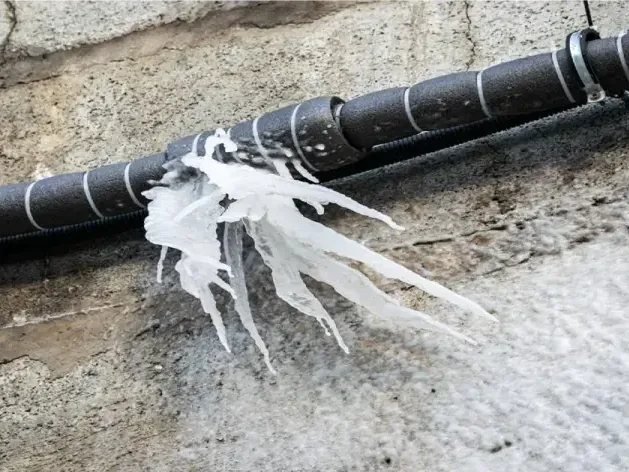
First steps for frozen pipe water damage
- 1
Arrange qualified pipe assessment
Report loss of flow or a leak appearing during thawing. Avoid using open flames, improvised heating devices or force on fittings while trying to restore supply.
- 2
Isolate an active release safely
Use an accessible shutoff only from a safe dry position. If water surrounds electrical equipment or blocks the route, arrange appropriate help before approaching the valve.
- 3
Describe the concealed location
Mention insulated walls, enclosed cabinets or rooms below the suspected pipe. Those details help the inspection include material that can hide water released during the thaw.
- 4
Keep the repair sequence open
Coordinate plumbing access with the moisture assessment so wet insulation and adjacent finishes are examined before the repaired pipe is covered or the surrounding cavity is rebuilt.
How the team approaches frozen pipe water damage
Assess the affected assembly
Frozen pipe restoration addresses escaped water after a split or damaged connection begins leaking. Plumbing work handles the failed section, while cleanup follows moisture into insulation, framing and finishes that may remain wet after flow is stopped and normal supply is restored.
Do not use flame or improvised heat to force a pipe to thaw. Keep clear of wet electrical areas and describe any active release so safe isolation and plumbing assessment can be arranged.
(888) 557-1733Discuss the thaw release conditionsWhat does frozen pipe water damage cost in Collegeville, PA?
Frozen pipe damage allowances in Collegeville depend on how much water escaped and whether insulation or multiple levels became involved. Thawing and pipe repair may be separate plumbing charges. Cleanup estimates should explain access to the wet assembly, removal of unsuitable layers and monitoring before the enclosure is restored.
Compare the inputs in the water damage cost calculator.
The frozen pipe water damage process in Collegeville
- 1
Examine thaw and isolation status
Confirm what the plumber found and whether flow is controlled, then identify the parts of the interior that can be safely inspected for escaped water.
- 2
Open the moisture assessment
Follow the release into nearby insulation and adjoining surfaces, noting water migration below the pipe and any additional damaged sections that affect the cleanup boundary.
- 3
Treat retained water and layers
Recover accessible water and evaluate insulation or finishes for removal, preserving access to retained framing so drying can address the affected material rather than only room air.
- 4
Coordinate closure after checks
Record the moisture condition of the repaired enclosure and connected assemblies, then identify remaining insulation and finish work before the pipe area returns to its enclosed state.
A pipe that stopped delivering water can begin leaking as it thaws. The release may first appear inside a concealed cavity, making the surrounding insulation and framing part of the damage assessment. Source repair should be followed by inspection of the materials that received water, even when the repaired section is small.
Approach the thaw as a plumbing problem first
A plumbing professional should evaluate the affected pipe and safe restoration of supply. Avoid open flames or improvised heating around concealed building materials. Where water has already escaped, report whether the flow continues and whether the shutoff can be reached without crossing wet electrical equipment or unstable flooring.
Follow water through the insulated area
Collegeville Crossing, Main Street and Ursinus College provide residential, corridor and institutional contexts within the borough. A property's actual pipe position and enclosure determine the restoration needs. An exposed section, an insulated partition and an upper floor cavity each present different routes for inspecting water released during thawing.
- Check insulation beside the pipe for retained water that can keep adjacent framing damp.
- Inspect the base of the enclosure and floor below for moisture that traveled away from the split.
- Report more than one leaking location if a plumber finds damage in separate pipe sections.
- Keep source access open until the nearby materials have been evaluated for cleaning and drying needs.
Plan the work after the water stops
Burst pipe cleanup addresses the broader release pattern, while structural drying follows retained moisture in the affected assembly. The repair record should distinguish the pipe work from insulation handling and finish replacement. Restoring water service is a useful milestone, but closing a wet cavity requires a separate decision based on material condition and drying access.
Frozen pipe water damage in Collegeville
Cleanup following a thaw related pipe release can address borough homes and managed interiors. Provide the pipe repair status, suspected enclosure location and access contact, including any lower rooms showing water, so assessment follows the release through the affected building materials.
The same service nearby: frozen pipe water damage in King of Prussia, Norristown, Lansdale.
Water damage restoration in Collegeville · every town covered
Frozen Pipe Water Damage questions
Do not use flame or improvised heat to force a pipe to thaw. Keep clear of wet electrical areas and describe any active release so safe isolation and plumbing assessment can be arranged.
(888) 557-1733Can a frozen pipe leak only after it thaws?
Ice can restrict flow while a damaged section remains hidden. As water moves again, a split or weakened connection may release it into the surrounding area. Monitor from a safe position and arrange plumbing assessment when flow changes or water appears.
Is it safe to heat the pipe with a flame?
Open flames near a pipe or concealed assembly create serious hazards. Avoid improvised heating methods and arrange qualified plumbing assessment. If water is already leaking, safe source isolation and evaluation of the wet area should accompany the repair discussion.
Why does insulation need inspection after the repair?
Insulation can hold water beside framing even after the pipe stops leaking. It can also obstruct access to the wet surface beneath it. The restoration scope should evaluate its condition and explain whether removal is needed to reach retained moisture.
Does restoring normal pressure complete the response?
Normal supply confirms a plumbing milestone, while wet materials still require assessment. The release may have reached flooring, walls or rooms below. Keep source repair details with cleanup records so both the pipe condition and the affected assembly are addressed.
What if the property was unoccupied during the release?
Describe when the problem was discovered and which rooms now show water without guessing the release duration. The inspection should evaluate the actual footprint and material condition. Concealed migration and inaccessible spaces may require additional checks before a drying scope is finalized.
Can the wall be closed immediately after pipe replacement?
Closing the wall can conceal wet framing or insulation that still needs attention. Coordinate the plumbing repair with material assessment and drying progress. Rebuilding should follow suitable conditions in retained layers and a clear decision about any damaged finishes requiring replacement.
Recover the materials surrounding the pipe
Arrange inspection of wet insulation, floors and connected rooms after source control, with a drying plan that supports safe enclosure and later finish repairs.