Frozen Pipe Water Damage in Norristown
A frozen pipe can begin leaking as flow returns, exposing damage that was hidden during the freeze. Norristown recovery should coordinate plumbing assessment with inspection of the surrounding insulation, wall cavities and any lower rooms reached by water.
(888) 557-1733Discuss water released during thawing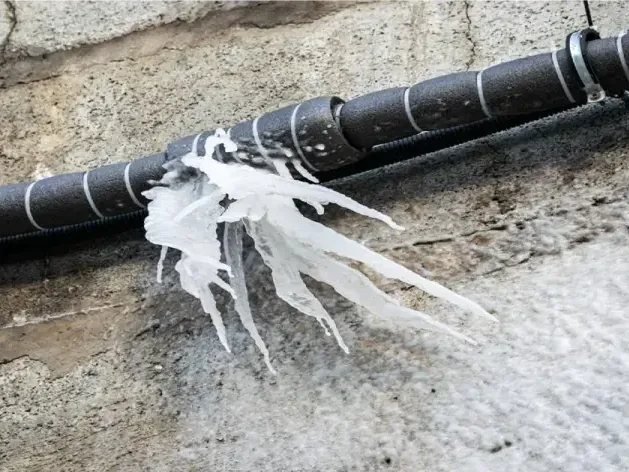
First steps for frozen pipe water damage
- 1
Avoid improvised pipe heating
Do not use an open flame or attempt unsafe heating around an affected pipe. Arrange plumbing assessment and describe any loss of flow or newly appearing leakage.
- 2
Isolate supply from dry access
Use a reachable shutoff only when the route and controls are safe. If water surrounds equipment or the valve cannot be reached safely, request appropriate assistance.
- 3
Record the thawing sequence
Note when reduced flow was noticed, when heating changed and where water later appeared. Those observations help connect the damaged pipe to the visible interior loss.
- 4
Keep wet cavities accessible
Leave repair openings clear for inspection of insulation and framing. Avoid replacing coverings before the cleanup assessment has identified the extent of retained moisture around the pipe.
How the team approaches frozen pipe water damage
Assess the affected assembly
Frozen pipe cleanup addresses water released from damaged plumbing during or after thawing. The work follows the escape into insulation, framing and floor layers while the responsible trade resolves the supply failure and any continuing source of water inside the affected building.
A thawing pipe can release water while the surrounding area still appears partly frozen. Keep clear of wet electrical equipment and arrange safe source control before entering the affected cavity or room.
(888) 557-1733Report the thawing pipe releaseWhat does frozen pipe water damage cost in Norristown, PA?
Frozen pipe cleanup in Norristown varies with the water released during thawing and the assemblies it reached. Saturated insulation and spread across floors can increase access and drying needs. A written scope should separate recovery of wet materials from plumbing repair, insulation replacement and the later restoration of finished surfaces.
Compare the inputs in the water damage cost calculator.
The frozen pipe water damage process in Norristown
- 1
Assess the thawing sequence
Starting notes connect reduced flow, renewed leakage and repair status. Any continuing release needs source control before the surrounding materials can recover.
- 2
Follow water through insulation
Inspection follows the pipe opening into insulation, wall bases and connected floors, documenting hidden wet layers that need access before drying can reach them.
- 3
Recover the exposed assembly
Accessible water is removed and damaged materials are addressed. Retained framing and floor layers then receive drying equipment suited to their moisture condition and access.
- 4
Coordinate the finished repair
Source status and moisture results support decisions about replacing insulation and wall finishes. The handoff identifies remaining repairs around the recovered assembly before closure.
The first sign of a frozen pipe problem may be reduced flow, followed later by water appearing inside a wall or below a floor. Thawing changes the situation because an opening in damaged plumbing can release supply water once the blockage eases. Cleanup planning must account for that changing source.
Pair winter precautions with source assessment
Norristown climate normals show winter daily minimum temperatures below freezing. For properties in North End, West End and East End, a heating interruption or exposed plumbing deserves prompt attention from the appropriate trade. Report where flow changed and where leakage became visible when the pipe warmed.
Occupants should avoid flames or improvised high heat around plumbing. A safe supply isolation and repair plan helps prevent additional water from reaching the building while damage is assessed. When the property was unattended, record the discovery details instead of guessing how long the release continued.
Inspect insulation around the damaged section
- Wet insulation can conceal the moisture condition of framing and may need removal to permit an effective drying assessment.
- Water traveling down a cavity can reach a floor below even when the break is located higher in the building.
- Trim and flooring near the pipe access opening need checks for absorption from the released supply water.
- Related plumbing concerns should be discussed with the repair trade before finishes are closed around the affected section.
Keep thaw recovery distinct from wall repair
Burst pipe recovery addresses the broader escape path after the damaged supply is controlled. Drying exposed framing and floor layers then tracks retained moisture. The handoff should explain the wet materials, their treatment and the source repair status, so insulation and finished surfaces are restored only after the relevant building conditions have been assessed.
Frozen pipe water damage in Norristown
Freeze-related leak assessments in North End, East End and Downtown should describe the heating condition, affected fixtures and location of the water release. Mention any plumbing access already opened and rooms underneath the break so the inspection can follow the thaw damage through connected assemblies.
The same service nearby: frozen pipe water damage in King of Prussia, Conshohocken, Ambler.
Frozen Pipe Water Damage questions
A thawing pipe can release water while the surrounding area still appears partly frozen. Keep clear of wet electrical equipment and arrange safe source control before entering the affected cavity or room.
(888) 557-1733Can a frozen pipe leak only after warming?
A damaged section may begin releasing water as flow returns during thawing. That is why changes in dripping or visible wetness matter after an initial loss of flow. A plumbing assessment should address the source while cleanup follows any water already released into the building.
Should a homeowner apply a flame to the pipe?
An open flame is unsuitable for thawing plumbing and creates additional hazards around the building. Arrange appropriate plumbing attention instead. Describe the affected fixtures, heating conditions and any leakage, and use a safe accessible shutoff when needed to limit further supply water escape.
Why does insulation need attention after the break?
Insulation can absorb or retain water and conceal the condition of the framing beside it. Its wetness and material type influence removal decisions. Exposing the affected assembly where needed allows a more useful drying assessment than simply directing air across the outside wall surface.
What if the home was vacant during the freeze?
Document the condition at discovery and when the property was last observed without damage. Share heating and plumbing findings with the cleanup assessment. The scope should follow the actual wet materials and source condition rather than assuming a particular duration for an unattended release.
Does restoring heat complete the recovery?
Restoring suitable building heat helps address the conditions around the plumbing, but it does not repair a damaged pipe or remove water absorbed by finishes. Source repair and material recovery remain separate tasks. Inspection determines what extraction, access and drying are needed after the release.
When can insulation and drywall be put back?
The affected plumbing should be repaired and the retained building materials assessed for suitable moisture conditions. The drying record supports the closure decision. Replacing insulation or drywall before that assessment can obstruct access and conceal wet framing or other layers that still need attention.
Recover the wet layers around damaged plumbing
Discuss the source repair, insulation condition and connected rooms so cleanup can address the whole release before the wall or floor is closed.