Roof Leak Water Damage in King of Prussia, PA
Rain can enter at a roof defect and travel through the attic before reaching an interior ceiling. Roof leak water damage cleanup in King of Prussia addresses those wet building materials after safe source control.
(888) 557-1733Trace rain inside the roof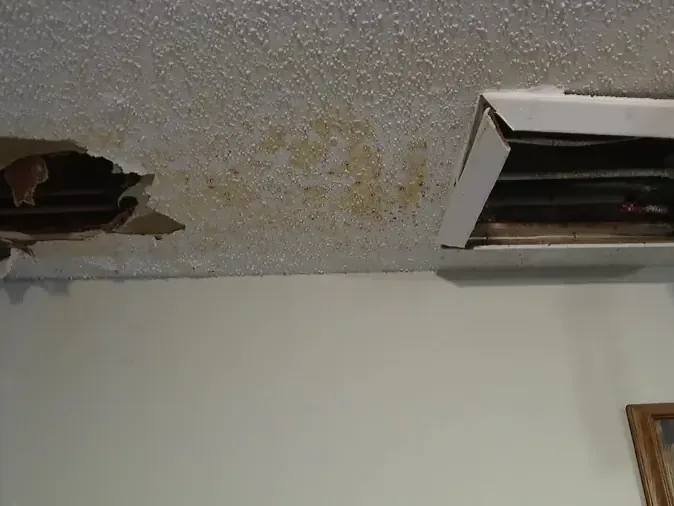
First steps for roof leak water damage
- 1
Avoid unsafe roof access
Occupants do not climb onto a wet roof to locate the leak. Appropriate exterior help addresses the entry while the interior room remains protected.
- 2
Stay below sound ceilings only
A bulging ceiling or wet fixture requires a clear area below. The crew evaluates stability before contents recovery or drying equipment placement.
- 3
Note the rain relationship
The owner records when dripping begins and whether it continues after rain ends. The inspector uses that timing to trace the water path and check likely roof entry points.
- 4
Keep attic access controlled
Limited footing and wiring can make an attic unsafe. The team checks access conditions and source control before entering or disturbing saturated insulation.
How the team approaches roof leak water damage
Assess the affected assembly
The inspection connects roof-source findings with wet sheathing, insulation and interior finishes. A roofer addresses the exterior defect; the mitigation crew evaluates the moisture that remains inside, including areas away from the visible drip.
Wet attic surfaces, limited footing and electrical components make access hazardous. The mitigation crew establishes a safe inspection route and protects occupied rooms before removing overhead materials or setting drying equipment.
(888) 557-1733Discuss rain-entry damageWhat does roof leak water damage cost in King of Prussia, PA?
Interior roof-leak mitigation commonly runs $900 to $2,500 for one affected area, $2,500 to $5,500 for attic and ceiling involvement and $5,500 to $10,000 for wider spread. Roof repair is separate; insulation handling, height and concealed moisture affect the cleanup range.
Compare the inputs in the water damage cost calculator.
The roof leak water damage process in King of Prussia
- 1
Compare source findings
The team reviews the reported exterior entry and indoor pattern, noting whether new rain can still reach the assembly before establishing drying priorities.
- 2
Inspect accessible layers
Moisture checks cover ceiling finishes, attic insulation and sheathing where safe access allows, with photographs showing the boundary before material removal.
- 3
Dry the interior load
Dehumidification and directed air movement support exposed wet materials, while daily readings show whether hidden pockets or continued entry are delaying progress.
- 4
Close the moisture record
The technician documents final conditions and any inaccessible areas, allowing separate roof and interior repair decisions to follow the actual drying evidence.
A dry ceiling between storms can still sit beneath damp insulation or roof decking. The team records when the stain appears, which surfaces are wet and whether an exterior repair has stopped new entry. Indoor drying only succeeds when that entry no longer renews the loss.
Trace moisture through the roof assembly
Capes, colonials and split levels appear in the local housing mix. Upper Merion Township properties therefore need an inspection of their actual attic access and roof assembly. The crew checks the roof covering, ventilation and leak path at each property.
A house around DeKalb Pike and a newer building at King of Prussia Town Center may have very different access constraints. The technician follows observed staining and readings through available spaces. At properties near Valley Forge National Historical Park, the source assessment checks for both roof entry and surface water so cleanup follows the actual route indoors.
Attic materials need individual decisions
- Roof sheathing can stay damp beneath insulation even when the room ceiling begins to lighten.
- Compressed or saturated insulation may need removal so the underlying assembly becomes accessible.
- Electrical components within the wet path require a safe approach before attic equipment or people enter.
- Limited footing and concealed openings make attic access a separate safety decision from room cleanup.
- Repeated rain entry can renew damage after a partial dry-out, so source-control findings belong in the work record.
Document the inside and the source separately
Photographs show attic conditions, interior damage and necessary removal before materials leave the building. Drying records demonstrate progress after the exterior defect receives attention. The National Weather Service supplies weather information for planning safe exterior work; EPA indoor-air information addresses indoor moisture. The roofer documents the exterior defect, and the owner can submit that report with the drying records for an insurance review.
Roof leak water damage in King of Prussia
The restoration team covers ZIP 19406 in Upper Merion Township, including homes around DeKalb Pike and the mixed residential and commercial buildings at King of Prussia Town Center. Service also extends to King Manor, Gulph Mills and the nearby boroughs listed in the service area.
Roof Leak Water Damage questions
Wet attic surfaces, limited footing and electrical components make access hazardous. The mitigation crew establishes a safe inspection route and protects occupied rooms before removing overhead materials or setting drying equipment.
(888) 557-1733Does roof leak cleanup include replacing shingles?
Exterior roof repair and interior water mitigation are separate scopes. The roofer identifies and addresses the defect. The restoration crew dries affected interior materials and records the moisture condition. Both tasks need coordination so ongoing rain does not undo the dry-out.
Why is the stain far from the roof opening?
Water can travel along framing, sheathing joints or other surfaces before dropping onto the ceiling. The technician follows measured moisture and visible marks through accessible areas. A roofing specialist inspects the exterior entry point while the drying technician traces the wet ceiling and surrounding framing.
Can wet attic insulation remain?
Its condition, contamination and effect on drying determine the decision. Saturated insulation can conceal wet wood and obstruct evaporation. The crew explains any removal needed to expose the assembly and records the material condition before it leaves the building.
Does a sunny day finish the attic dry-out?
Warm weather may help some surfaces release moisture, but it does not verify the condition inside layered construction. The drying team checks materials directly and tracks indoor conditions. Equipment decisions follow measurements instead of the forecast alone.
What if another storm arrives during work?
The source-control plan must account for renewed exterior water entry. The restoration team reassesses wet areas when additional rain enters and updates records accordingly. Temporary protection and permanent roof work require appropriate exterior assistance and safe weather conditions.
What records help distinguish old and new damage?
Dated photographs, the history of dripping and measurements before and after source control help document observed conditions. The crew records what it sees without inventing a precise start date. The insurer applies policy provisions to that evidence independently.
Dry the hidden path beneath the roof
Interior drying tracks wet sheathing, insulation and ceiling finishes after the exterior entry receives appropriate attention.