Basement Water Removal in King of Prussia, PA
Basement water removal in King of Prussia starts with safe access and the source of the water. The crew pumps or extracts the liquid, then checks wall bottoms, stored contents and floor layers for moisture left behind.
(888) 557-1733Assess lower-level water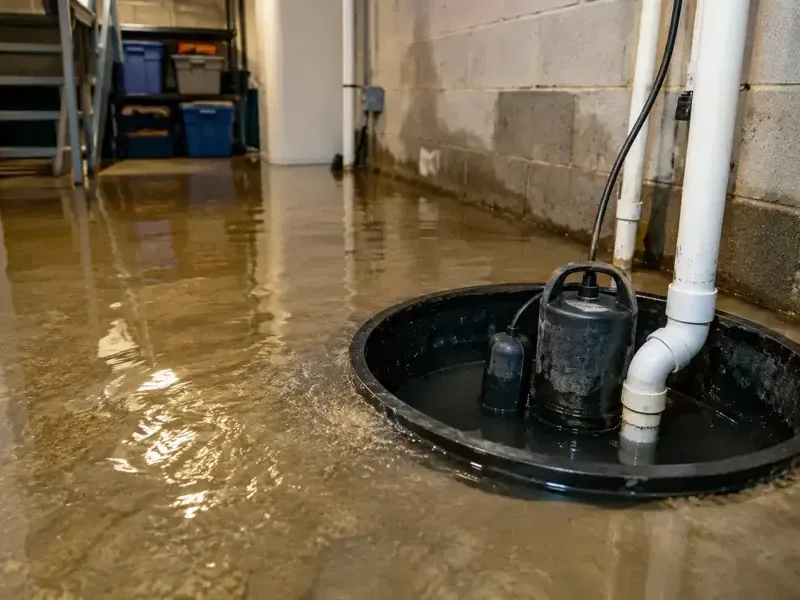
First steps for basement water removal
- 1
Stay out of energized water
Occupants avoid basement water near panels, outlets or appliances. The crew establishes safe access and appropriate isolation before pumps or people enter.
- 2
Report the water source if known
The household notes whether water follows rain, a fixture release or a rising sump basin. Those observations help set the first inspection priorities.
- 3
Leave deep water to assessment
Water depth and conditions outside the foundation can influence safe recovery. The team evaluates the building before starting an uncontrolled pump-out.
- 4
Protect dry storage separately
Accessible dry belongings move away from the wet boundary when safe. Contaminated items remain segregated until the crew establishes a handling route.
How the team approaches basement water removal
Assess the affected assembly
The team distinguishes supply leaks, surface entry, sump overflow and sewage before choosing cleanup controls. Water depth and exterior conditions can affect safe recovery, while finished walls and stored belongings can conceal a larger wet footprint than the open floor suggests.
Standing basement water can conceal electrical hazards and unstable conditions. The response team establishes safe entry, evaluates the source and plans recovery before anyone handles wet contents or operates equipment below grade.
(888) 557-1733Review basement entry safetyWhat does basement water removal cost in King of Prussia, PA?
Basement mitigation commonly ranges from $1,000 to $3,000 for a shallow accessible loss, $3,000 to $7,000 for finished lower-level materials and $7,000 to $15,000 for extensive or contaminated water. Depth, source, access and hidden assemblies determine scope; drainage-system repair is separate.
Compare the inputs in the water damage cost calculator.
The basement water removal process in King of Prussia
- 1
Evaluate access and source
The response team identifies electrical concerns, water depth and reported entry, then selects a recovery sequence suited to the actual lower-level conditions.
- 2
Remove accessible liquid
Pumps and extraction tools recover water through a planned discharge route, with the crew watching for continuing entry that could change the scope.
- 3
Inspect the perimeter
After water recedes, the technician checks wall bases, stored contents and concealed floor layers, documenting materials that require cleaning, removal or direct drying access.
- 4
Dry and record the assembly
Equipment addresses the remaining exposed moisture load, and final readings show the condition of salvageable construction before finishes or storage return to place.
A basement puddle can look simple while the surrounding construction presents a complex drying problem. Water may wick into wall finishes or collect beneath a floor covering. The first assessment therefore includes the source, room contents and building conditions rather than treating pump-out as the complete job.
Lower-level conditions require a property-specific plan
Upper Merion Township has varied houses, including split levels with changing floor elevations. The restoration team verifies the actual lower-level construction and source at each property. The technician checks wall finishes, drainage equipment and foundation surfaces, then plans access around the room layout and stored belongings.
The Schuylkill River marks the northern CDP boundary, but a basement near DeKalb Pike can receive water from several unrelated sources. The crew inspects the indoor water path and the equipment serving the lower level. A failed appliance, sump overflow or outdoor entry can each require a different removal and cleaning sequence.
Checks before and after pump-out
- Electrical panels, appliances and outlets near standing water require a safe isolation decision before entry.
- Deep water and exterior pressure can affect the recovery sequence and may require further structural evaluation.
- Storage boxes and shelving can conceal wet wall bottoms and impede access to the full floor perimeter.
- Finished wall cavities and floor coverings may retain water after the open concrete appears clear.
- Outdoor or sewage contamination changes which porous materials can remain and when drying equipment can operate.
Measure the room that remains
The technician records water height, source observations and material condition before removal changes the scene. Daily drying readings then track accessible walls and floors. The PA Flood Risk Tool offers mapping context, and FEMA flood information explains flood-insurance considerations. Before pump-out, the crew checks entry safety and identifies where water is entering. The job record connects those findings to the removal sequence and the materials that need drying.
Basement water removal in King of Prussia
The restoration team covers ZIP 19406 in Upper Merion Township, including homes around DeKalb Pike and the mixed residential and commercial buildings at King of Prussia Town Center. Service also extends to King Manor, Gulph Mills and the nearby boroughs listed in the service area.
Basement Water Removal questions
Standing basement water can conceal electrical hazards and unstable conditions. The response team establishes safe entry, evaluates the source and plans recovery before anyone handles wet contents or operates equipment below grade.
(888) 557-1733Is basement water always groundwater?
No. Supply leaks, appliance discharge, sump overflow, outdoor entry and sewage can all affect a lower level. The source determines contamination and repair needs. The crew documents observed conditions before choosing cleanup controls or attributing the loss to the ground outside.
Why is pump-out not the final step?
Removing liquid leaves absorbed moisture inside porous materials and concealed assemblies. The team checks wall bottoms, floor layers and contents after the puddle clears. Cleaning, selective removal and structural drying may still be necessary before the space is ready for repairs.
Can deep water be removed all at once?
The safe sequence depends on building and exterior conditions, including pressure around the foundation. Electrical exposure also matters. The response team assesses the situation before recovery; an uncontrolled pump-out without understanding those conditions can create additional risks.
What happens to wet storage boxes?
The crew evaluates the contents and water category before handling them. Contaminated porous containers may require disposal, while other items need separate drying or assessment. Dry belongings stay apart from affected items so cleanup does not spread water or contamination.
Do finished basement walls need opening?
Some assemblies need selective access to reach trapped water or remove unsuitable material. The decision follows moisture readings, contamination and finish condition. The technician checks the cavity and wall base as well as the visible surface, then records which areas need opening and drying.
What basement-loss details belong in the claim record?
The crew records the observed source, water height, affected materials and work performed. Photographs before pump-out preserve the initial room conditions. The property owner supplies those records to the insurer, which reviews the actual cause and policy terms when evaluating the claim.
Remove the water and inspect the lower walls
The basement crew follows moisture into finishes, floor layers and storage areas after controlled liquid recovery.