Storm Flood Cleanup in King of Prussia, PA
The flood cleanup team treats outdoor water as contaminated, establishes safe access and removes affected porous materials. Storm flood cleanup in King of Prussia follows the entry path before extraction, cleaning and measured structural drying.
(888) 557-1733Assess storm water indoors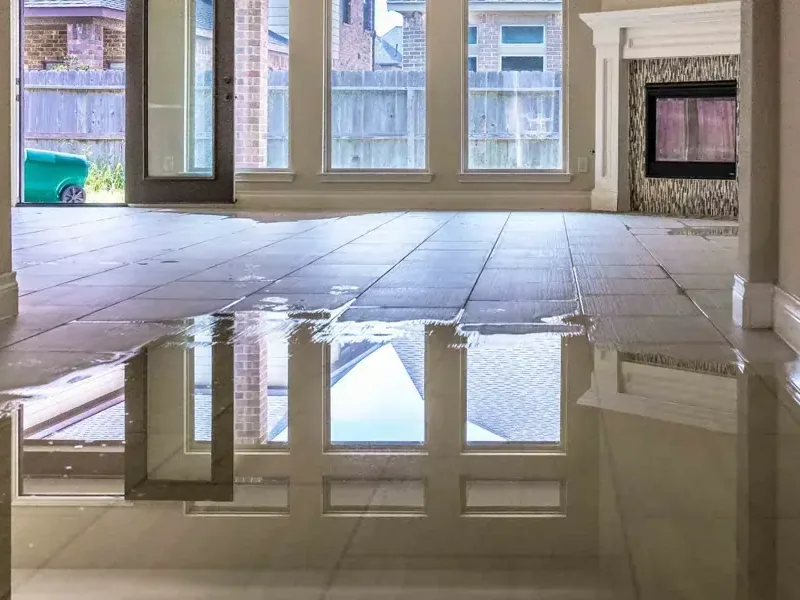
First steps for storm flood cleanup
- 1
Wait for safe access
Occupants avoid floodwater, submerged electrical equipment and unstable floors. The response team evaluates entry conditions before beginning indoor recovery work.
- 2
Keep contamination contained
People and pets stay out of wet rooms. Belongings exposed to outdoor water remain separate from clean possessions until the team evaluates handling.
- 3
Photograph from dry ground
Images capture water marks, debris and entry points when a safe position exists. Nobody enters hazardous water solely to document a claim.
- 4
Identify continuing entry
The crew checks whether exterior water still approaches the building, because ongoing entry changes pump-out, cleaning and the timing of structural drying.
How the team approaches storm flood cleanup
Assess the affected assembly
Floodwater can carry soil, waste and other contaminants into flooring and wall cavities. The response plan separates clean rooms from the affected space and establishes electrical and structural access before pumps, debris handling or drying begin.
Floodwater can conceal electrical hazards, debris and unstable surfaces. The response team establishes a safe work boundary before extraction and keeps contaminated material separated from clean rooms throughout the cleanup.
(888) 557-1733Plan safe flood accessWhat does storm flood cleanup cost in King of Prussia, PA?
Storm flood cleanup often ranges from $2,500 to $5,000 for a small contaminated area, $5,000 to $10,000 for several rooms and $10,000 to $20,000 for extensive lower-level involvement. Debris, water depth, porous-material removal and access determine the assessment; rebuilding is separate.
Compare the inputs in the water damage cost calculator.
The storm flood cleanup process in King of Prussia
- 1
Establish contamination boundaries
The team records water height, sediment and affected materials, then sets routes that keep people and equipment from tracking contamination into clean spaces.
- 2
Recover water and debris
Pumps remove accessible water while controlled debris handling exposes surfaces, allowing the crew to assess materials hidden beneath silt or displaced contents.
- 3
Remove and clean
Contaminated porous finishes leave the work area, and salvageable surfaces receive physical cleaning and appropriate product treatment before air movement increases evaporation.
- 4
Measure the remaining assembly
Drying equipment addresses exposed framing and other salvageable materials, with daily readings confirming progress and the final condition recorded before reconstruction begins.
Once outdoor water crosses a threshold, the cleanup problem extends beyond the depth of the puddle. Silt can settle in seams and voids while contaminated water wicks into wall bottoms. The team maps that spread and decides which materials can remain after proper cleaning.
Local flood context does not replace a property inspection
The Schuylkill River forms the northern boundary of the CDP, and US 422 marks its western edge. Those geographic facts do not place every Upper Merion Township property in the same flood zone. The crew documents the actual entry point, water height and rooms affected instead of inferring a cause from the nearest river.
A home near DeKalb Pike can experience outdoor entry through a low opening without a river reaching the property. The crew traces entry around doors, foundation openings and adjoining wet rooms. The PA Flood Risk Tool provides mapping information for a separate review of the property.
Contaminated water changes material handling
- The crew separates affected rooms so boots, hoses and debris do not carry contamination across dry living spaces.
- Saturated carpet, padding, insulation and other contaminated porous materials need removal rather than simple air drying.
- Cleaning reaches floor seams, framing connections and accessible cavities where sediment remains after pump-out.
- Protective equipment and controlled waste handling belong in the cleanup plan from the beginning.
- Remaining hard surfaces receive suitable cleaning and an EPA-registered antimicrobial at its labeled dwell time where appropriate.
Dry after the contamination work
The team starts drying salvageable assemblies after removal and cleaning expose them. Daily readings document progress and identify pockets behind finishes. The claim file distinguishes outdoor flooding from a sanitary plumbing release, since FEMA flood insurance information explains a separate coverage framework. The owner sends the loss details to the insurer for a policy review and retains the cleanup record with the claim documents.
Storm flood cleanup in King of Prussia
The restoration team covers ZIP 19406 in Upper Merion Township, including homes around DeKalb Pike and the mixed residential and commercial buildings at King of Prussia Town Center. Service also extends to King Manor, Gulph Mills and the nearby boroughs listed in the service area.
Storm Flood Cleanup questions
Floodwater can conceal electrical hazards, debris and unstable surfaces. The response team establishes a safe work boundary before extraction and keeps contaminated material separated from clean rooms throughout the cleanup.
(888) 557-1733Is rainwater indoors always clean water?
Outdoor water can pick up contaminants before entering a building, so flood entry requires a different assessment from a sanitary supply leak. Clear-looking water may still be unsafe. The crew evaluates source and contact history before selecting cleaning and removal methods.
Can carpet remain after outdoor flooding?
Carpet and padding contaminated by floodwater generally require removal. Drying alone does not remove contamination trapped in porous layers. The team establishes a controlled route for disposal and checks the floor beneath before cleaning and drying the remaining assembly.
Does a flood map explain this particular loss?
A map describes flood-hazard context, not the observed cause of every puddle. The assessment records entry points and water movement at the property. The owner can review official mapping separately when considering insurance, future protection or construction requirements.
Why not start household fans immediately?
Air movement can spread contaminants before the affected area has been cleaned and unsuitable materials removed. Electrical safety also matters in flooded rooms. The team establishes containment and cleaning priorities first, then selects equipment for the exposed salvageable materials.
Can a flooded basement be pumped without assessment?
Deep water and exterior pressure can create structural concerns, and wet electrical equipment adds risk. The response team evaluates access and conditions before deciding the recovery sequence. A pump alone does not address contamination, hidden moisture or unstable building elements.
Does homeowners insurance cover storm flooding?
Surface flooding often falls under separate flood coverage rather than ordinary plumbing-loss provisions. Policy details and the actual cause determine the insurer review. The mitigation record documents observed conditions and work without promising reimbursement or interpreting a specific contract.
Remove contamination before the dry-out
The flood crew documents the entry, removes affected materials and cleans salvageable surfaces before measured drying begins.