Water Damage Restoration in Ambler
A puddle beside the wall can hide a much larger wet area underneath the floor. Water damage restoration in Ambler starts by locating that spread, controlling the source and deciding which materials can dry.
(888) 557-1733Discuss the wet roomsDescribe the source, affected rooms and any electrical concerns when calling. Those details help shape the first cleanup decisions for the property.
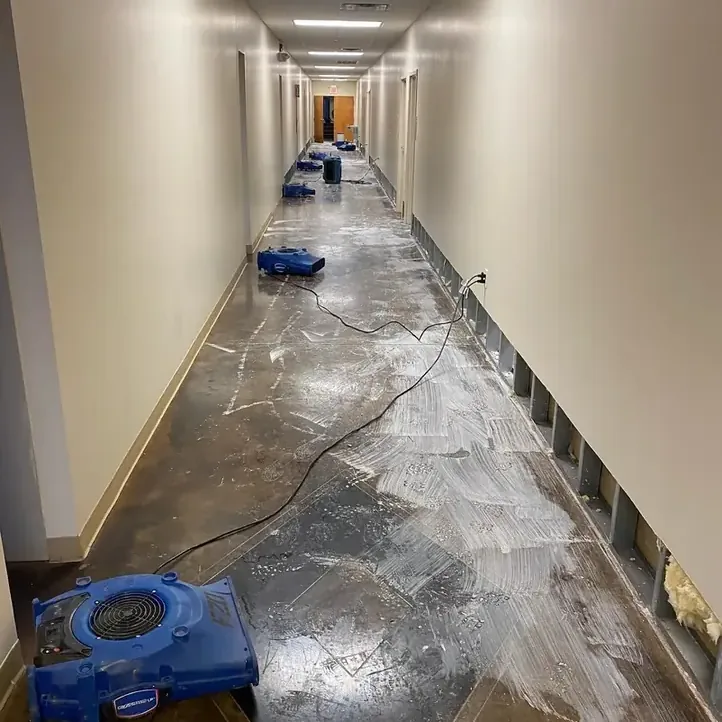
Make the next move a safe one
- 1
Pause at the doorway
Stay outside rooms with standing water near electrical equipment, sagging ceilings or wastewater. Keep children and animals away.
- 2
Control accessible supply
Close the appropriate water valve only from dry, stable footing. A dangerous approach needs professional help instead of another attempt.
- 3
Record the visible spread
Photograph water edges and damaged belongings from a safe position. Save the discovery time and any information about the source.
- 4
Protect dry possessions
Relocate untouched items when the path remains safe. Avoid carrying contaminated belongings across clean flooring or into occupied rooms.
- 5
Describe the conditions
Explain whether water continues entering, which levels are affected and whether sewage or outdoor runoff may be involved.
Cleanup matched to the way water entered
A broken supply pipe, dirty drain overflow and rainwater intrusion require different decisions. Select the situation closest to the damage for practical steps and a clearer restoration scope.
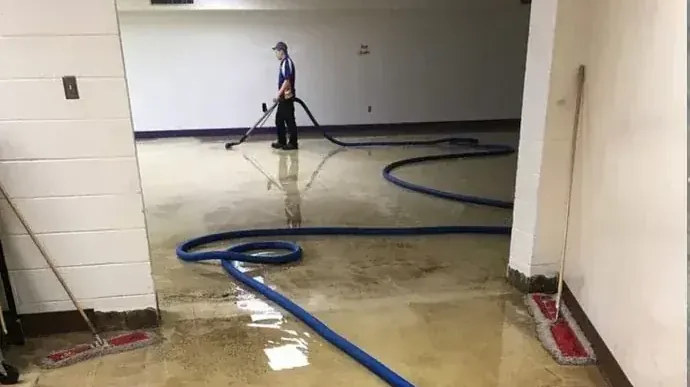 Water ExtractionStanding water needs controlled removal before hidden dampness can be measured beneath flooring and along the edges of rooms.
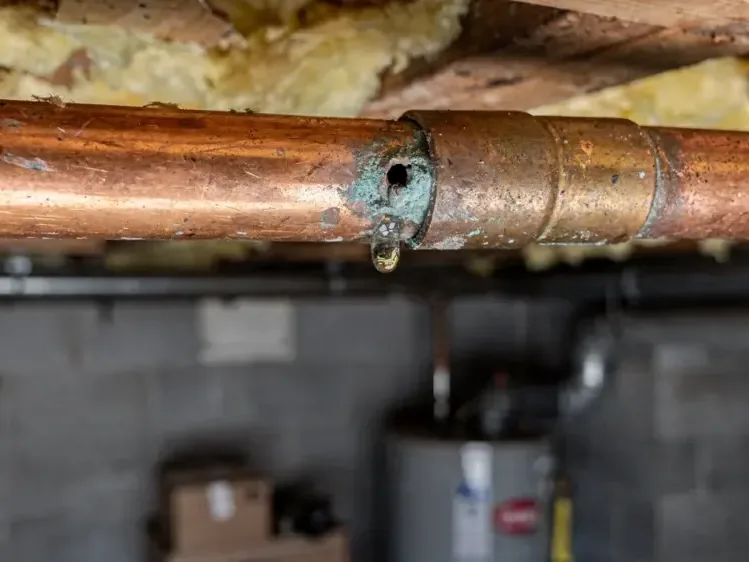 Burst Pipe Water DamageA sudden plumbing release can cross several rooms, leaving wet cavities after the broken pipe has been repaired.
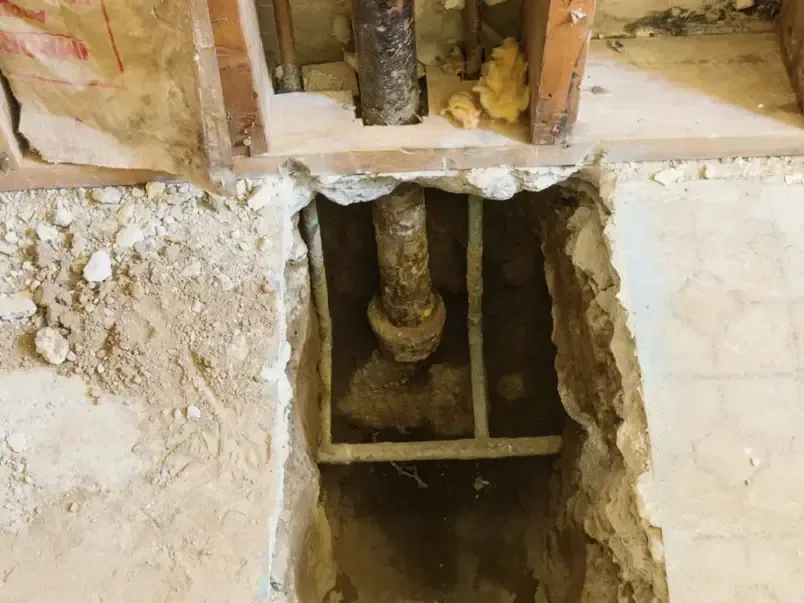 Slab Leak Water DamageMoisture rising through flooring calls for a careful look at concrete, finishes and the source beneath the surface.
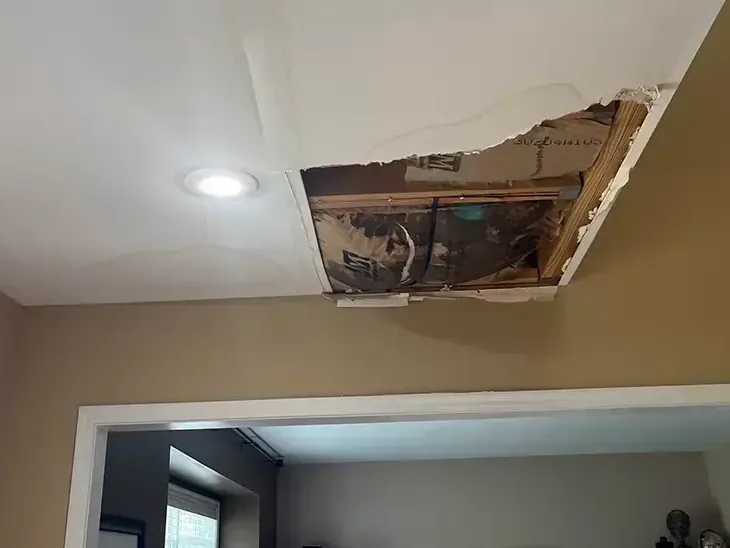 Ceiling Leak Water DamageOverhead staining deserves attention to the wet cavity, unstable finishes and possible water travel beyond the visible mark.
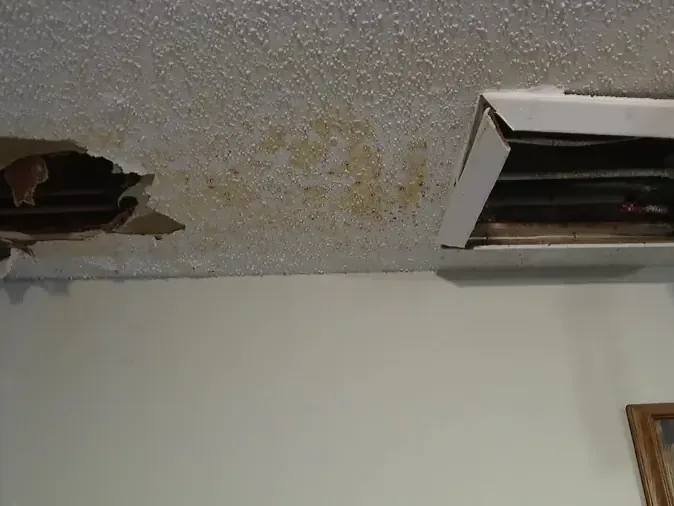 Roof Leak Water DamageRain entering above the living space can saturate insulation before the ceiling below shows the first noticeable stain.
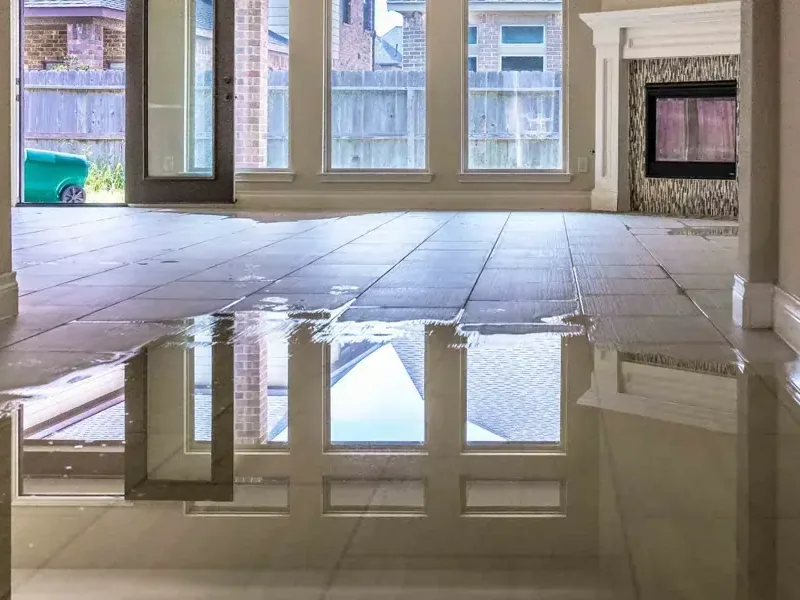 Storm Flood CleanupOutdoor water carries debris indoors, changing how affected surfaces, porous belongings and adjoining clean areas need handling.
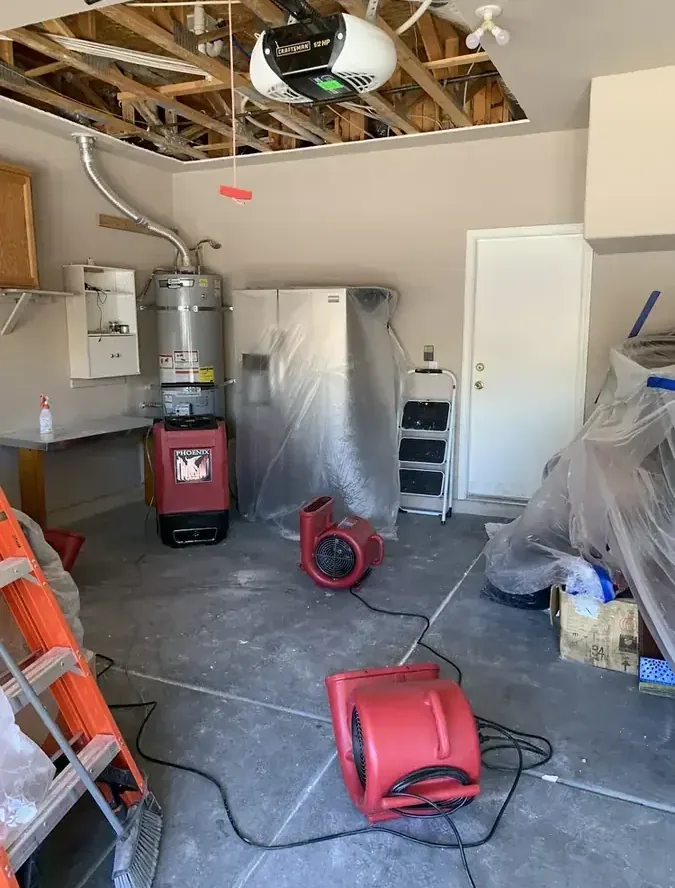
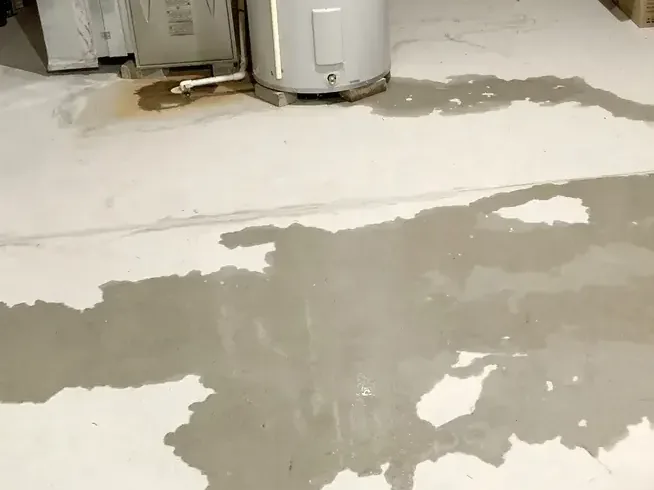 Water Heater Leak CleanupA leaking tank can soak its enclosure and spread underneath nearby floor coverings while the appliance awaits repair.
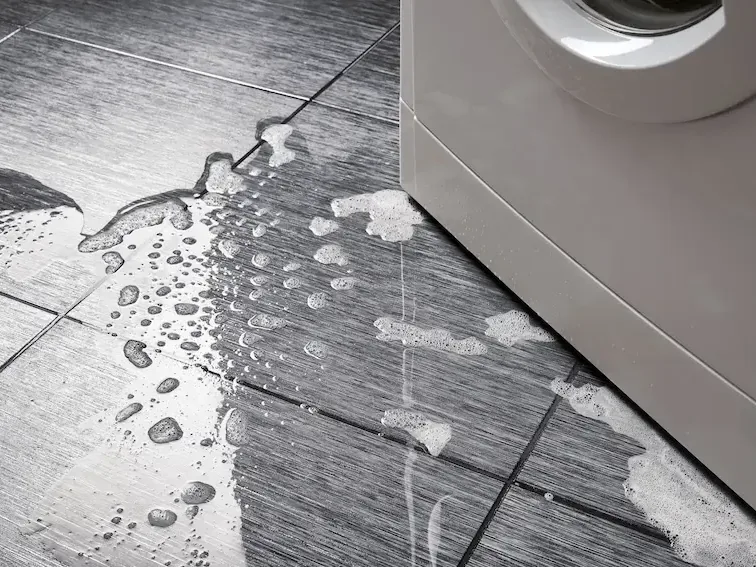 Appliance Leak Water DamageHidden moisture under a dishwasher or washer can persist after the accessible puddle around the appliance disappears.
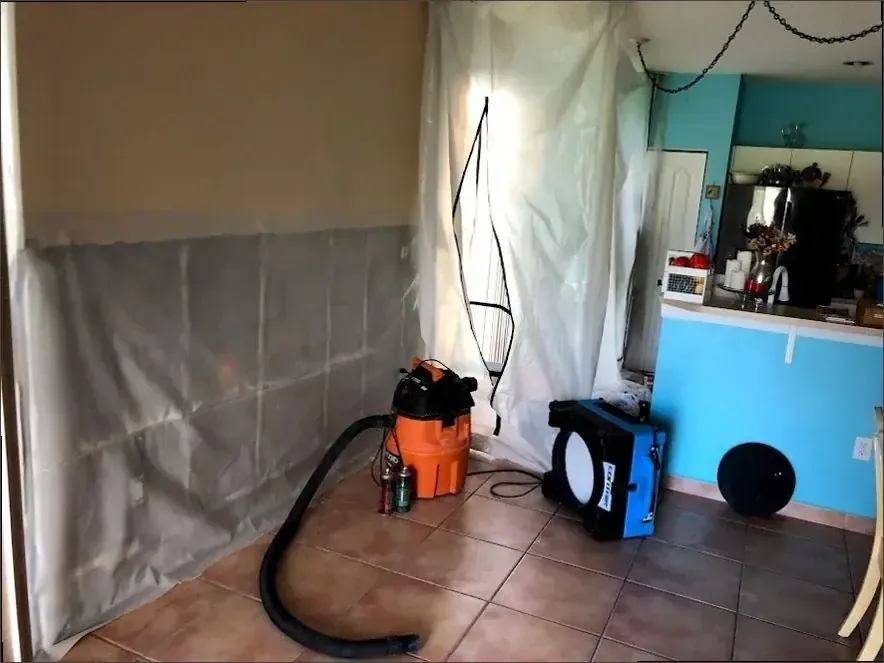 Toilet Overflow CleanupBathroom overflow cleanup separates contaminated surfaces from usable space and checks moisture beneath the fixture and surrounding flooring.
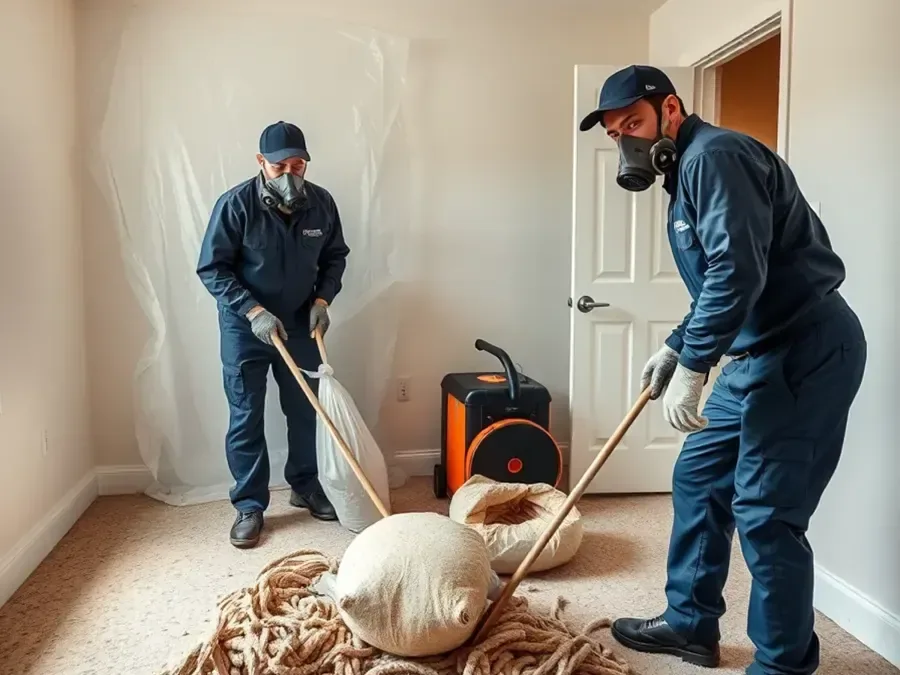 Sewage Backup CleanupWastewater intrusion requires controlled access, removal of contaminated materials and cleaning before affected building assemblies can finish drying.
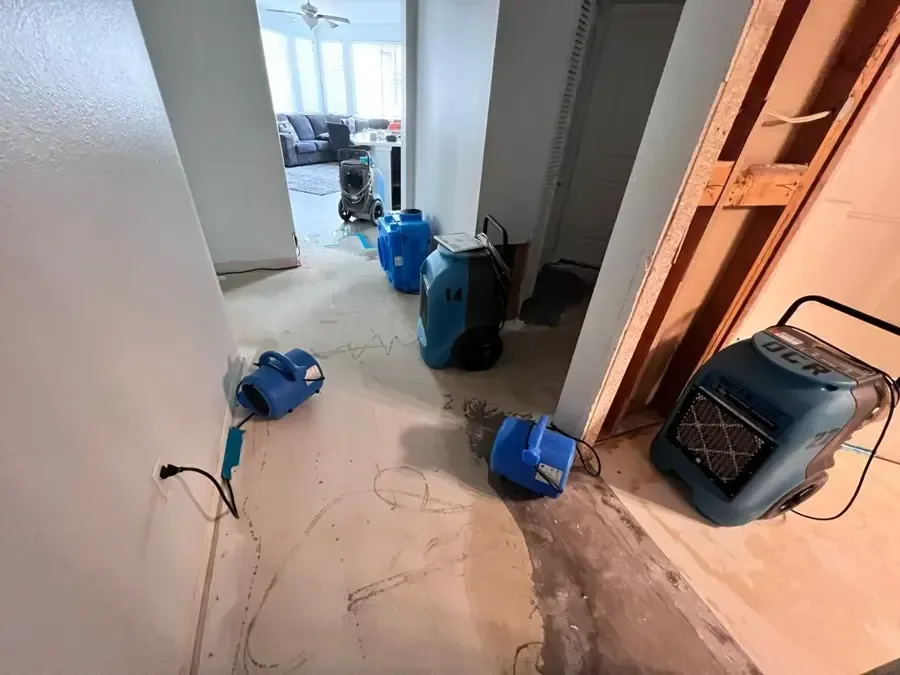 Structural DryingMoisture measurements help determine equipment placement and when concealed building materials are ready for the next repair stage.
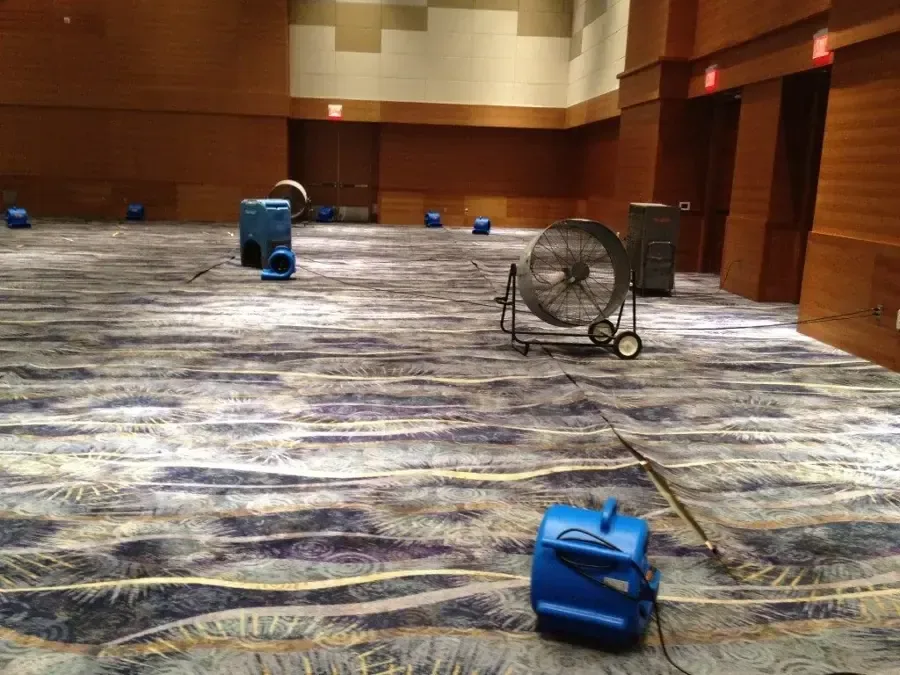 Commercial Water DamageBusiness cleanup considers public access, equipment, stored goods and the work areas that must remain separated during restoration.
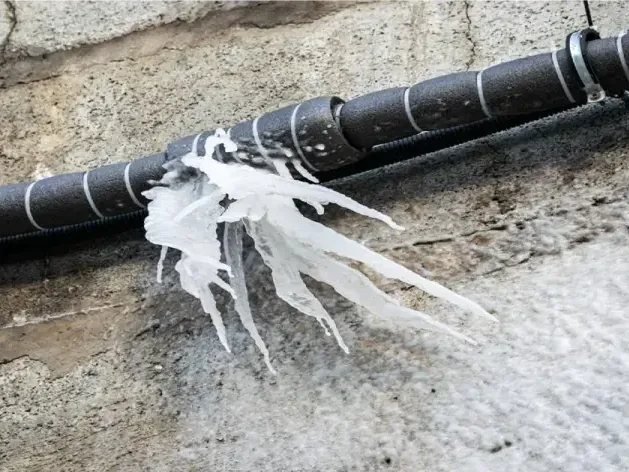 Frozen Pipe Water DamageThawing can reveal a split pipe suddenly, making water shutoff and inspection of insulated cavities especially important.
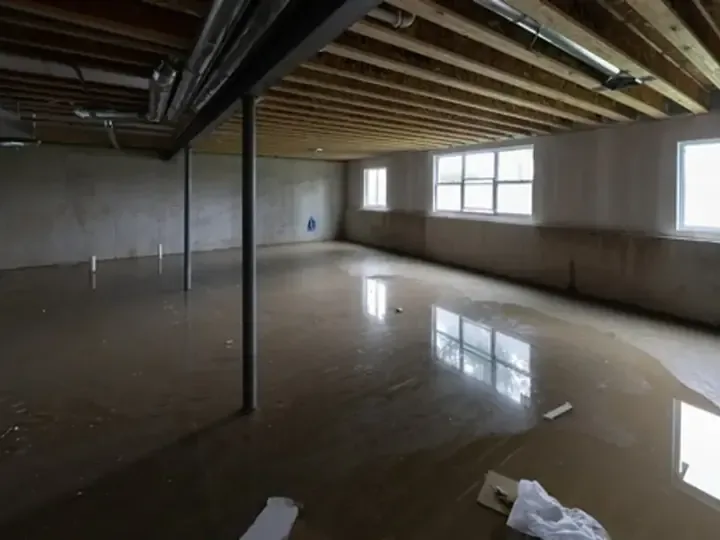
 Basement Water RemovalLower level water removal includes safe access planning and attention to saturated storage, wall bases and floor assemblies.
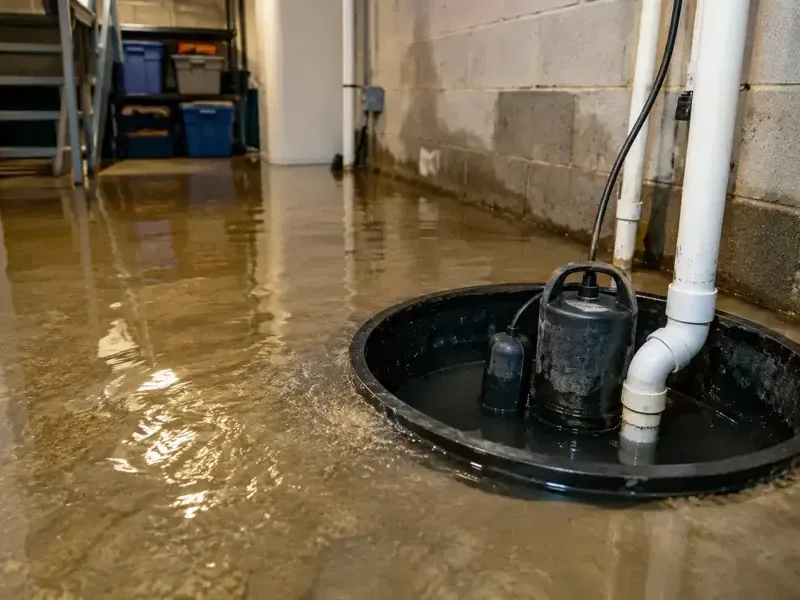
 Sump Pump Failure CleanupAn overflowing basin needs water removal alongside correction of the pumping problem so the affected room can begin drying.
Dryness needs more than a visual check
A room may look usable while moisture remains beneath its finishes. The restoration sequence follows the water into affected assemblies, then uses measurements to decide when those materials can be closed or repaired.
- 1
Identify the release
The initial assessment separates an active source from leftover water and records the surfaces, rooms and belongings involved before removal starts.
- 2
Expose the wet path
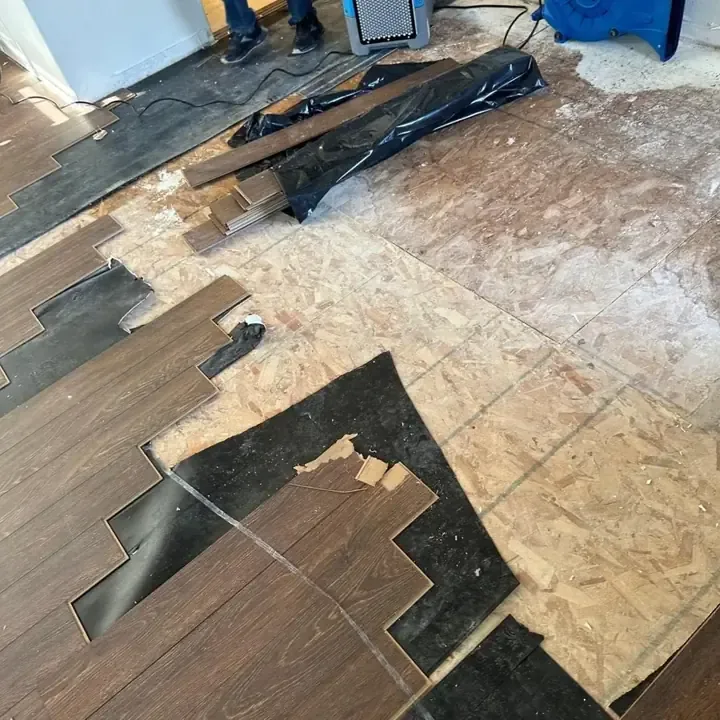
Extraction clears accessible water while selected openings or lifted materials allow inspection of concealed areas that cannot dry through an intact finish.
- 3
Manage the drying environment
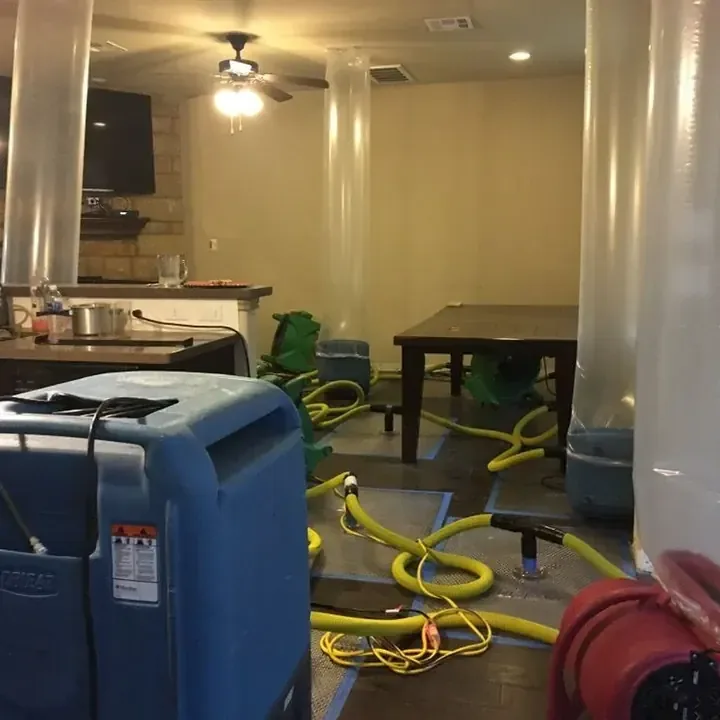
Air movement and dehumidification are arranged for the exposed materials. Followup measurements reveal whether equipment needs repositioning or another cavity needs attention.
- 4
Check before reconstruction
Drying results are compared with suitable reference materials. The repair scope then identifies finishes that need replacement and areas ready to be restored.
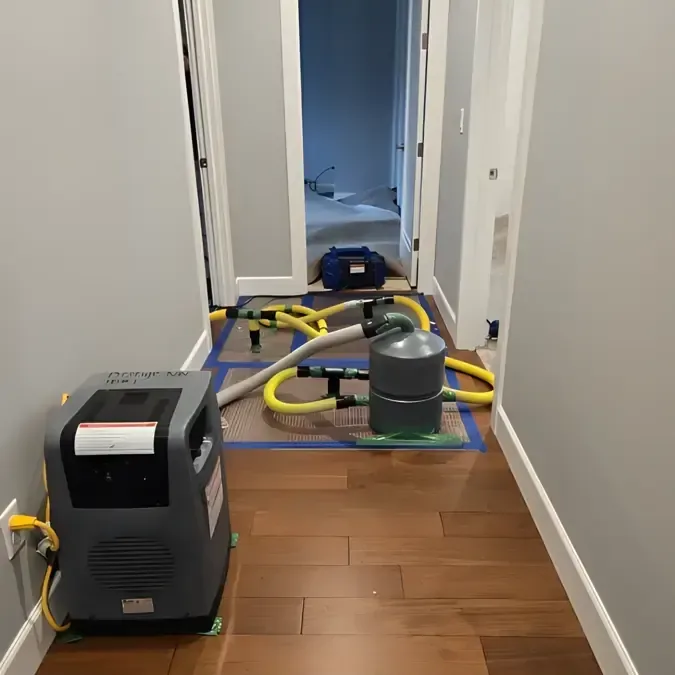
The water type affects cleanup choices
Water from a supply pipe
A recent supply release starts with stopping the leak and extracting water. Contact with dirty surfaces and elapsed time can change how the affected materials must be handled.
Assess a supply releaseUsed appliance water
Water escaping during an appliance cycle can contain residues. Cleanup considers the operating cycle, nearby cabinetry and the layers beneath the visible floor before choosing what remains.
Check beneath the applianceSewage or outdoor intrusion
Contaminated water calls for restricted access and careful removal of affected porous materials. Cleaning and drying become separate tasks, with clean routes protected throughout the work.
Understand contaminated cleanupWhat affects water damage costs in Ambler?
Water damage restoration in Ambler depends on the amount of water, access to hidden moisture and the condition of affected materials. These planning ranges describe cleanup and drying scenarios. A property assessment establishes the actual work, exclusions and repair needs.
Source repairs, replacement finishes and insurance decisions can change the total project expense. Request a written scope that separates water mitigation from subsequent rebuilding and plumbing work.
Understand what the room needs next
Clear explanations make a stressful cleanup easier to follow. A useful assessment identifies the water path, explains removal decisions and shows how moisture readings support each change in the drying plan before the next repair begins.
When paying for cleanup directly
A self funded project still benefits from a written sequence. Ask which actions stop ongoing damage, which measurements determine drying completion and which finish repairs belong in a later estimate.
Discuss changes before additional materials are removed whenever conditions allow. Itemized records help explain why the original scope expanded and make later repair planning easier for the property owner.
Prepare a clear loss history
Insurance decisions depend on policy terms and the cause of the loss. Photos, dates and a detailed restoration scope help describe what happened without treating reimbursement as a certainty.
- Photograph each affected room before contents move
- Record discovery time and visible water source
- Save receipts for necessary emergency mitigation work
- Keep damaged item lists with purchase information
- Request separate descriptions of repairs and drying
Examples of access, removal and drying work
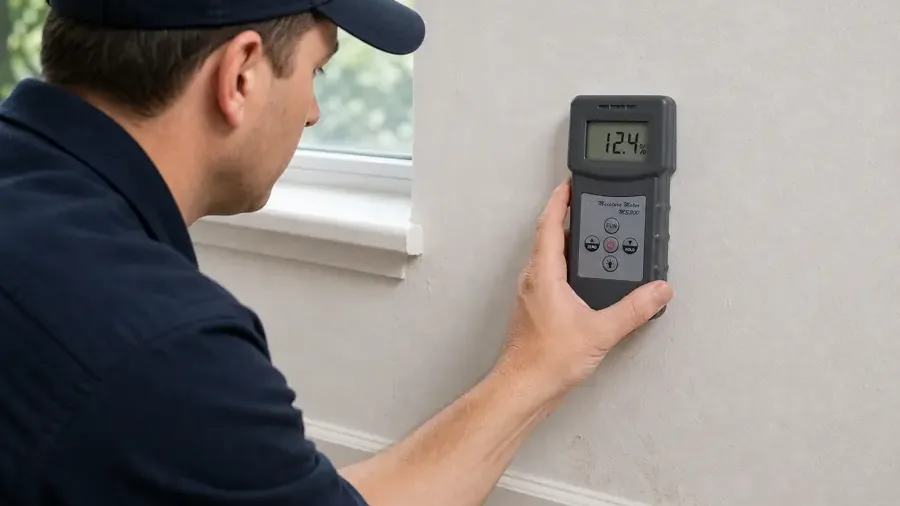
Share access details before the assessment
Butler Avenue runs through the borough, with Bethlehem Pike along its eastern border. Property access, the affected level and any occupied rooms help define the practical cleanup plan.
A postal code alone does not identify every access issue. Describe stairs, parking arrangements and obstacles at the affected building when arranging help for the water damage.
Visible scope
Affected rooms and materials belong in the written work description so the owner can distinguish necessary access from later finish repairs.
Source separation
Plumbing or roof correction addresses the entry point. Extraction and drying address the water already inside the structure and its finishes.
Material decisions
Porosity, contamination and physical condition determine whether a surface can remain. Appearance alone cannot settle every removal or drying decision.
Progress records
Moisture observations and equipment changes create a useful record of the work, including areas that require additional attention before reconstruction starts.
King of Prussia Water Damage Restoration
(888) 557-1733Explain the property accessAmbler, PA · [email protected]
Local context for indoor water problems
Ambler maintains a storm sewer that collects runoff through gutters, inlets, pipes and channels. Indoors, the cleanup still starts with finding the actual route water followed into the affected rooms.
- Runoff has several destinations: The storm sewer conveys runoff to Tannery Run, Stuart Farm Creek, Rose Valley Creek and Wissahickon Creek. At a wet property, entry points and contamination shape the cleanup.
- Roof drainage matters: The borough describes rain and melting snow or ice as runoff sources. Water entering through a roof needs exterior correction and an interior assessment of affected insulation and finishes.
- Different house designs: Victorian, Gothic and Colonial houses appear along local side streets. Restoration access should follow the actual wall, ceiling and floor construction found inside the affected home.
- Business interiors vary: Shops and restaurants line Butler Avenue. A water loss in an operating business requires attention to public routes, stored goods and the separation of restoration work from occupied space.
- Separate utility systems: Drinking water, storm drainage and sanitary wastewater have different functions. Reporting the observed source and affected fixtures helps the appropriate professional investigate the problem while cleanup is planned.
September 2, 2021: A borough notice reported power outages at water facilities after a storm. Aqua temporarily helped maintain supply, and customers were asked to conserve water until power returned to the affected facilities.
Water cleanup for Ambler properties
Roads and local destinations
- Butler Avenue
- Butler Pike
- Bethlehem Pike
- Ridge Hall
Postal area
Other service locations
King of Prussia, PALansdale, PANorristown, PAConshohocken, PAQuestions after discovering water
The source, affected level and current water depth are useful first details. Describe any hazards before arranging access to the property.
(888) 557-1733Does a dry looking floor still need checking?
Yes. Floor coverings can conceal damp underlayment, and water can collect along wall bases after the surface dries. Structural drying uses moisture measurements to determine where additional access is needed and whether equipment has reached the materials that actually became wet.
Should furniture stay in the affected room?
Dry items may be moved along a safe route before water reaches them. Heavy, unstable or contaminated possessions need a handling plan. Photograph belongings before relocation, and keep wet items separated from clean spaces so the original damage remains easy to document.
Can a homeowner use a household vacuum?
A household vacuum is unsuitable for standing water. Electrical conditions and the source of the water must be assessed before removal. Contaminated water requires appropriate equipment and handling, while deep water or unsafe footing can make entry itself the first problem.
Is a plumbing repair enough to finish cleanup?
Repairing the pipe stops the supply of new water. Moisture already inside walls, cabinets or flooring still needs attention. The cleanup scope should identify those wet areas separately from the plumber's repair and explain how remaining moisture will be removed and checked.
What changes when sewage reaches a room?
Access becomes more restricted because occupants and clean belongings need protection from contamination. Sewage cleanup may require removal of affected porous materials and cleaning of hard surfaces before drying continues. Ordinary air movement should not spread contamination into adjoining occupied areas.
Can the building stay occupied during drying?
That depends on electrical safety, contamination, usable facilities and the work area. Equipment, cords and opened finishes can interfere with normal activity even when another room stays dry. Discuss occupied routes and any vulnerable occupants before the restoration arrangement is finalized.
How is the end of drying determined?
Drying completion relies on material measurements and suitable reference conditions, rather than a fixed calendar promise. The assessment should include concealed areas that were affected. A surface can feel dry before the underlying assembly is ready for replacement flooring or closed walls.
Does the ZIP code define borough boundaries?
Postal areas and municipal boundaries are different. Provide the actual property location when arranging service in the 19002 area. The affected structure, access conditions and source of water matter more to the restoration scope than the postal label on its own.
What belongs in an initial cleanup estimate?
The estimate should identify affected areas, planned extraction, material removal and drying equipment, with the assumptions behind that scope. Plumbing correction and replacement finishes may be separate work. Ask how newly discovered concealed damage will be recorded and discussed before the scope changes.
Put the water damage into a clear plan
Describe the rooms involved, whether water is still entering and any unsafe conditions so the next restoration decision starts with useful information.