Structural Drying in Ambler
The room can look dry while its floor layers and wall bases remain wet. Structural drying in Ambler uses material measurements and controlled indoor conditions to move the remaining moisture out before repairs close the affected assembly.
(888) 557-1733Discuss the remaining damp materials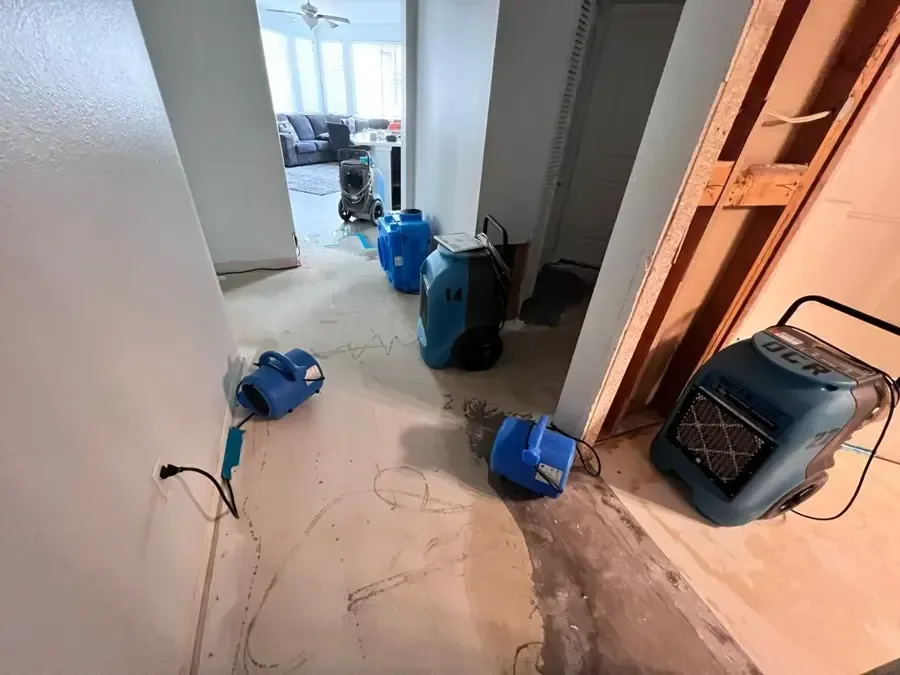
First steps for structural drying
- 1
Confirm the source is controlled
Explain whether plumbing or exterior repairs are complete. Continued water entry can overwhelm the drying arrangement and change which materials require attention inside the building.
- 2
Identify previous removal work
Share which floors, walls or contents have already been removed. Existing openings and moisture records help establish where the current assessment should begin.
- 3
Preserve equipment access
Keep clear routes to the affected materials and avoid stacking possessions against wet walls. The setup needs room for airflow and repeat measurement visits.
- 4
Report changes in room use
Discuss occupied areas, open windows and any need to move equipment before changing the arrangement. Those conditions can affect moisture removal and safe household access.
How the team approaches structural drying
Assess the affected assembly
Structural drying targets water held within building assemblies after accessible liquid is removed. Air movement, dehumidification and appropriate access work together, with repeat measurements showing whether retained materials are responding and when the next repair stage can begin.
Do not close wet cavities or cover damp floors simply because the visible puddle has gone. Keep the affected materials accessible and report any ongoing entry before repair work conceals the area.
(888) 557-1733Explain which materials remain wetWhat does structural drying cost in Ambler, PA?
Structural drying in Ambler may cost $1,000 to $2,500 for a focused zone or $5,500 to $10,000 for dense or concealed materials. Access, the number of wet assemblies and their response determine equipment needs. Source repair, contamination cleanup and replacement finishes can add separate project costs.
Compare the inputs in the water damage cost calculator.
The structural drying process in Ambler
- 1
Establish material conditions
The initial moisture map identifies affected assemblies and suitable comparison areas, then records source status and any contamination work required before equipment drying can proceed.
- 2
Provide effective access
Selected openings or lifted finishes allow air to reach retained wet materials, with removal decisions tied to their condition and the construction found during inspection.
- 3
Monitor and adapt the setup
Repeat observations track the response of each affected assembly, allowing airflow or dehumidification placement to change when one location remains damp despite improving room conditions.
- 4
Document the closure decision
Final material checks support the transition to repairs, while the handoff lists openings, removed finishes and any remaining issues that the reconstruction work must address.
A dry touch test answers only a surface question. Moisture can remain beneath flooring, inside insulation or at the back of a wall finish after the room looks normal. Effective structural drying begins with a map of affected assemblies and a way to reach the wet material that map identifies.
Match the plan to the building assembly
Victorian, Gothic and Colonial houses appear along Ambler's side streets. Their individual room construction needs inspection before drying access is selected. Butler Avenue, Bethlehem Pike and the area around Ridge Hall offer local reference points, while the restoration decisions depend on the actual materials inside the affected property.
A wall base and a covered floor may respond differently to the same room conditions. Equipment should address those differences instead of relying on a single visible sign. If liquid remains, water extraction comes first so measurements and airflow can reach the exposed wet surfaces.
Use readings to revise the arrangement
- Compare affected materials with suitable dry references so the drying target relates to the assembly being restored.
- Record changes at consistent locations to distinguish useful progress from an area that needs further access.
- Keep equipment routes and air paths clear of stored belongings that could block the intended drying pattern.
- Reassess covered layers when the room conditions improve but material readings stop responding as expected.
Keep cleanup and closure in the right order
Contaminated damage needs cleaning and removal decisions before ordinary drying proceeds. For example, sewage restoration establishes which materials can remain before equipment addresses their moisture. At the other end of the process, closure should follow the drying results. A useful handoff identifies the assemblies checked, the openings still present and any finishes awaiting replacement. That record helps the next repair trade understand what is ready and which source or reconstruction work remains.
Structural drying in Ambler
Structural drying assessments in Ambler consider the wet assemblies, available access and how the building remains occupied. Share earlier extraction records and source repair details, then identify any floor layers or cavities still covered so the moisture map can include them.
The same service nearby: structural drying in King of Prussia, Lansdale, Norristown.
Structural Drying questions
Do not close wet cavities or cover damp floors simply because the visible puddle has gone. Keep the affected materials accessible and report any ongoing entry before repair work conceals the area.
(888) 557-1733How is structural drying different from extraction?
Extraction removes available liquid from accessible surfaces. Structural drying deals with moisture held inside materials after that liquid is gone. Both can be necessary, because a clear floor may still have damp underlayment and wet wall bases that require controlled drying.
Can a dry surface hide a wet assembly?
Yes. The exposed face may dry before the layers beneath or behind it. Material measurements and appropriate access help identify that difference. Closing the wall or installing new flooring should wait for conditions suitable to the affected assembly and repair materials.
Why might equipment placement change during the work?
Different materials respond at different rates, and followup measurements may reveal a location that needs more access or altered airflow. Moving equipment for that reason keeps the drying plan tied to observed progress instead of leaving the original arrangement unchanged.
Should occupants turn equipment off overnight?
Discuss noise, sleeping arrangements and access concerns before changing equipment operation. Interruptions can affect the planned moisture removal. The restoration team can explain operating requirements and consider an arrangement that accounts for occupied space while preserving the drying needs.
Does every wet finish need an opening?
The decision depends on the assembly, contamination, physical damage and whether moisture can leave effectively. Some surfaces permit drying in place, while others trap water. The assessment should explain the reason for access rather than treat all walls or floors alike.
What information should the repair contractor receive?
Useful documentation identifies affected materials, moisture findings, source correction status and finishes removed during mitigation. It should also note remaining openings and any required checks before replacement. That handoff helps the next trade sequence repairs around the restored structure's actual condition.
Measure the structure before rebuilding the room
Describe the extraction already completed and the finishes still in place so a drying assessment can focus on the moisture that remains.