Sewage Backup Cleanup in Ambler
A drain backup changes which rooms can be used safely. Sewage cleanup in Ambler starts by restricting contact with wastewater, identifying affected materials and coordinating source correction before cleaning and drying the retained structure.
(888) 557-1733Discuss wastewater inside the property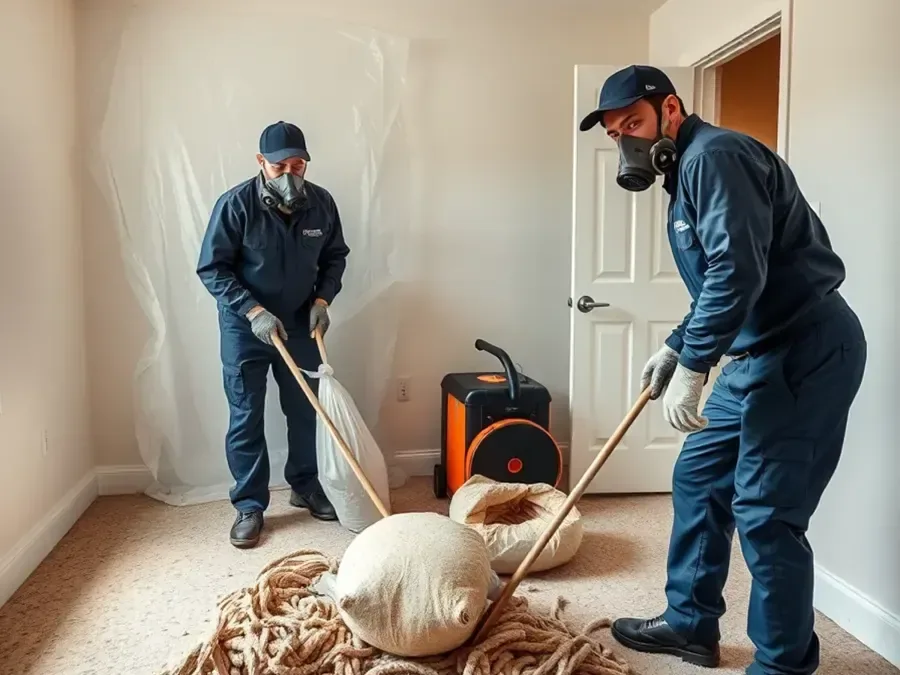
First steps for sewage backup cleanup
- 1
Restrict the affected area
Prevent people and animals from entering wastewater. Avoid handling contaminated contents or walking through the room to reach storage, appliances or electrical controls.
- 2
Reduce contributing fixture use
If drains are backing up, avoid adding water while the cause is assessed. Report the affected fixtures and whether wastewater continues rising at the property.
- 3
Arrange source investigation
Describe the timing and drain behavior to the appropriate plumbing or utility contact. Cleanup needs coordination with the work that stops renewed wastewater entry.
- 4
Preserve a clean approach
Identify an access route outside occupied rooms when possible. Keep contaminated shoes, belongings and cleaning tools from spreading the problem into unaffected household space.
How the team approaches sewage backup cleanup
Assess the affected assembly
Sewage restoration addresses contaminated water, deposits and the building materials reached by a backup. Work separates dirty routes from occupied space, removes unsuitable porous losses and prepares retained surfaces for cleaning, moisture control and later repair.
Wastewater contact requires keeping the affected space separate from household activity. Avoid walking through the room or carrying soaked contents into dry areas while the source and contamination boundary remain under assessment.
(888) 557-1733Describe the sewage entryWhat does sewage backup cleanup cost in Ambler, PA?
Sewage backup cleanup in Ambler ranges from $2,000 to $4,500 for a confined Category 3 area to $9,000 to $18,000 for extensive concealed involvement. Porous losses, access and the number of contaminated rooms drive the scope. Drain repair and reconstruction require separate cost descriptions.
Compare the inputs in the water damage cost calculator.
The sewage backup cleanup process in Ambler
- 1
Define contamination and access
The assessment establishes affected rooms, observed wastewater routes and safe entry arrangements, then coordinates source status with the professional investigating the drain problem at the property.
- 2
Remove sewage and unsuitable materials
Controlled collection and disposal address wastewater, deposited material and porous losses that cannot remain, while clean household routes are protected from the handling of contaminated contents.
- 3
Clean before equipment drying
Retained surfaces receive appropriate cleaning and attention to exposed edges, preparing the remaining structure for equipment placement without spreading contamination into occupied or previously unaffected areas.
- 4
Track moisture through the repair handoff
Measurements follow the retained materials as they dry, and the final scope records removed finishes, remaining repairs and any source correction still necessary before normal room use.
Sewage at a floor drain can travel beneath storage and into wall bases before its spread is obvious. Avoid moving through the area to retrieve belongings. The cleanup boundary should include surfaces touched by wastewater and paths where contaminated shoes or objects may already have carried it.
Report the backup while limiting water use
The Borough of Ambler Wastewater Treatment Plant has added pipes, pumps and valves to help handle high flows during storms. It also removes grit, screenings and wipes during preliminary treatment. For an individual backup, report the affected fixtures and timing to the appropriate plumbing or utility contact so the actual cause can be investigated.
Butler Avenue and Bethlehem Pike are local corridors, and treated effluent from the borough plant reaches Wissahickon Creek. Inside the property, sanitation work follows the wastewater's observed route. A backup at several drains may need a different source investigation from a single toilet overflow.
Separate contents and building material decisions
- Photograph contaminated belongings from outside the wet area before sorting or removal changes the initial conditions.
- Protect clean routes from wastewater, wet debris and equipment used within the affected work boundary.
- Assess porous flooring and lower wall materials for removal when contamination prevents suitable cleaning in place.
- Identify retained hard surfaces that need cleaning before air movement is introduced for remaining structural moisture.
Document the transition into drying
Removing visible sewage does not complete the building assessment. Opened assemblies may still hold moisture after their surfaces are cleaned. Structural drying work should then target those retained materials, with measurements supporting repair readiness. The written scope can identify contaminated losses, cleaning performed and finish replacement still required. Keep drain correction visible in that sequence so restored rooms are protected from an unresolved source before normal use resumes.
Sewage backup cleanup in Ambler
Sewage cleanup planning in Ambler includes the affected level, occupied areas and a controlled route for waste removal. Report whether wastewater is still entering and which facilities remain usable so restoration access can be coordinated with the separate drain investigation.
The same service nearby: sewage backup cleanup in King of Prussia, Lansdale, Norristown.
Sewage Backup Cleanup questions
Wastewater contact requires keeping the affected space separate from household activity. Avoid walking through the room or carrying soaked contents into dry areas while the source and contamination boundary remain under assessment.
(888) 557-1733Can occupants walk through a sewage affected room?
Keep traffic outside the contaminated area. Shoes, objects and animals can carry wastewater residue into clean spaces even after visible liquid recedes. Establish another route and discuss any essential access need before moving through the room or retrieving stored items.
Will cleaning the floor finish address everything?
Sewage can reach beneath flooring and into wall bases or stored contents. The assessment needs to follow that contact, not just the exposed surface. Porous losses may require removal while retained materials need cleaning and later checks for remaining moisture.
Who determines why the drain backed up?
A suitable plumbing or utility investigation determines the source at the property. Cleanup handles the damage left indoors. Provide the timing, affected fixtures and whether the backup changes with water use so those observations can support the separate source investigation.
Can a homeowner start fans immediately?
Avoid directing airflow across contaminated surfaces before removal and cleaning decisions are made. That can spread residue into adjacent areas. Drying equipment should be introduced as part of a controlled restoration sequence that protects clean space and reaches retained wet materials.
What should happen to contaminated belongings?
Document them from a safe position and avoid mixing them with unaffected possessions. Handling depends on material, condition and contamination. The contents assessment should separate items suitable for cleaning from losses requiring disposal, with the removal route planned before anything moves.
When can wall repairs begin after sewage cleanup?
Repairs should follow source correction, contaminated material removal, cleaning and suitable drying of retained assemblies. Ask for the findings supporting closure and a description of removed finishes. A room that looks clear can still contain moisture behind its remaining surfaces.
Clean the affected structure before restoring finishes
Explain which drains backed up and where wastewater traveled so material removal, cleaning and drying can be planned around the full affected area.