Sewage Backup Cleanup in Norristown
Wastewater rising through a drain changes how the entire wet area must be handled. Norristown sewage cleanup combines controlled removal and material assessment with coordination of the plumbing work needed to resolve the returning flow.
(888) 557-1733Report returning wastewater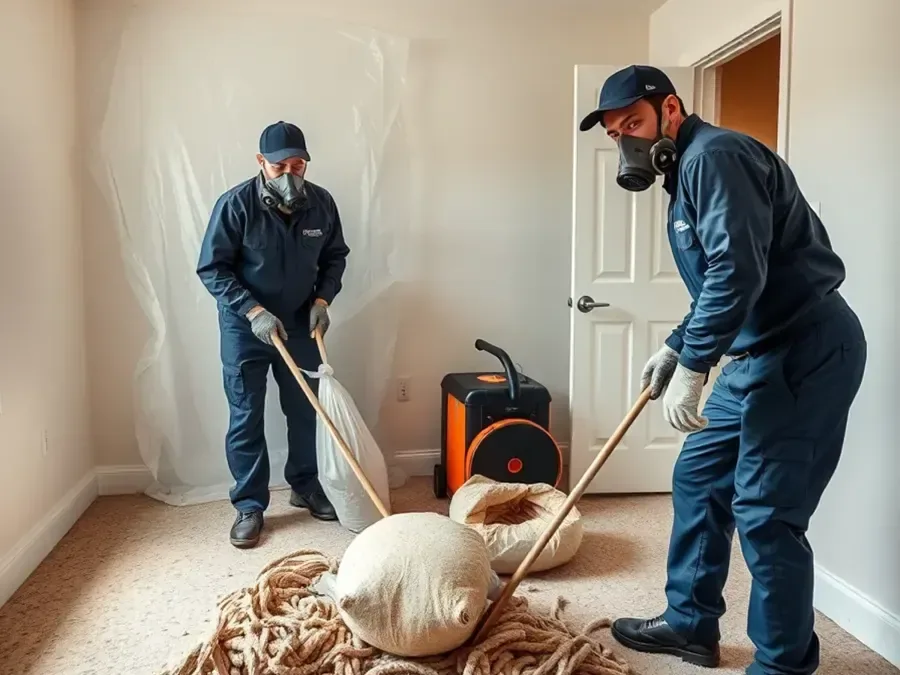
First steps for sewage backup cleanup
- 1
Keep occupants outside the spill
Close access to the affected area and prevent children or pets from entering. Avoid walking through wastewater to collect belongings or inspect the drain.
- 2
Arrange plumbing investigation
Report the returning fixtures and other drainage symptoms to a plumber. Internal drains and the private lateral need attention as part of the source assessment.
- 3
Avoid adding wastewater
Limit use of fixtures connected to the affected drainage system until the plumber advises on the blockage, especially if added flow produces another return indoors.
- 4
Record damage without contact
Take photographs from a safe boundary and list submerged contents. Leave contaminated items in place until a controlled removal and handling plan is established.
How the team approaches sewage backup cleanup
Assess the affected assembly
Sewage recovery addresses contaminated water, residue and affected building materials after a drain backup. The work separates occupied rooms from the spill and prepares recoverable surfaces for drying after the plumbing problem and contamination have been addressed.
Do not enter returning wastewater or carry contaminated belongings into dry rooms. Keep the affected fixtures unused while plumbing investigation and a controlled interior cleanup assessment are arranged.
(888) 557-1733Explain the sewage returnWhat does sewage backup cleanup cost in Norristown, PA?
Sewage cleanup in Norristown is influenced by the contaminated area, porous finishes and access to concealed layers. Disposal and cleaning can account for substantial work even after liquid removal. Estimates should distinguish the interior recovery from drain clearing, private lateral repairs and replacement of the affected building finishes.
Compare the inputs in the water damage cost calculator.
The sewage backup cleanup process in Norristown
- 1
Establish the contamination boundary
The assessment identifies where wastewater traveled, any active return and the access controls needed to keep the affected work area separated from occupied and unaffected spaces.
- 2
Coordinate drain work and removal
Plumbing findings inform source control while cleanup personnel recover wastewater and handle affected contents, documenting porous materials that require removal before the underlying surfaces can be reached.
- 3
Prepare recoverable surfaces for drying
Exposed materials receive appropriate cleaning after debris removal. The work includes edges and concealed areas reached by the backup, with access decisions recorded as the scope develops.
- 4
Document retained material conditions
Moisture monitoring follows preparation of the remaining assembly, and the closeout records cleaning, removal and drying separately from the plumbing repairs and reconstruction still needed at the property.
A sewer backup can carry contamination beneath stored items and into wall bases before the standing water is obvious. The cleanup boundary includes every surface contacted by that flow. Keeping ordinary foot traffic outside the area helps prevent a contained drain problem from becoming a wider household cleanup.
Clarify responsibility for the private lateral
Norristown Municipal Waste Authority operates collection sewers and a wastewater treatment plant. Homeowners own and maintain the private lateral from the house to the Authority main. The Authority recommends contacting a plumber to clear internal drains and the lateral before requesting its backup investigation.
Roots, grease and debris can obstruct that private pipe. For a property in West End, North End or Downtown, describe which fixtures returned water and whether the flow is continuing. The plumber's findings and the interior cleanup assessment should remain connected while addressing separate parts of the problem.
Control movement of contaminated materials
- Plan the route for wet debris before carrying it past occupied rooms or stored belongings outside the spill.
- Assess absorbent flooring and wall materials for removal where wastewater has contacted or penetrated them.
- Clean recoverable exposed surfaces after liquid and debris are removed, including edges that were hidden beneath contents.
- Keep affected equipment and cleaning materials within a controlled handling process rather than ordinary household storage.
Address drainage contributors and the wet assembly
The Authority warns against connecting roof drains, downspouts or sump pumps to sanitary sewer pipes. A sump-related water problem deserves its own drainage assessment. After sewage removal and cleaning, drying the retained structure addresses moisture in the remaining assembly. The final scope should distinguish the drain correction, contamination cleanup and later reconstruction so each responsibility is clear.
Sewage backup cleanup in Norristown
Sewage assessments across East End, West End and Downtown should identify returning drains, affected rooms and any plumbing work already attempted. Describe whether wastewater reached finished walls or stored contents so the cleanup plan can account for contamination beyond the open floor.
The same service nearby: sewage backup cleanup in King of Prussia, Conshohocken, Ambler.
Sewage Backup Cleanup questions
Do not enter returning wastewater or carry contaminated belongings into dry rooms. Keep the affected fixtures unused while plumbing investigation and a controlled interior cleanup assessment are arranged.
(888) 557-1733Who should investigate the private drain first?
The Authority recommends contacting a plumber to clear internal drains and the homeowner's private lateral before requesting its backup investigation. Report the affected fixtures and the timing of the return. Interior cleanup addresses the wastewater that has already entered the building while that source work proceeds.
Can sewage be handled with ordinary household cleaning?
Wastewater can penetrate porous materials and concealed joints beyond the visible spill. A cleanup assessment considers contamination, affected finishes and safe handling before choosing removal and cleaning methods. Simply wiping the surface can leave residue and moisture in parts of the assembly that were not reached.
Should wet carpet stay for drying?
Carpet and pad contacted by sewage require a contamination assessment, with removal often necessary because of their absorbent construction. The underlying floor also needs inspection and cleaning. Drying equipment is selected for materials retained after the contaminated contents and finishes have been addressed.
Can a sump pump discharge into the sanitary sewer?
The Authority warns against connecting sump pumps, roof drains and downspouts to sanitary sewer pipes. If that connection is suspected, discuss it with the appropriate plumbing or drainage contractor. The source correction should be coordinated with cleanup of any wastewater already inside the property.
Why is the cleanup area kept separated?
Footwear, belongings and equipment can transfer contaminated residue into rooms that were not affected by the backup. A controlled work boundary and handling route reduce that spread. Occupants should follow the access arrangements while removal, cleaning and preparation for drying take place.
Does an empty floor mean sewage recovery is complete?
Liquid recovery is one part of the work. Porous materials, residue and concealed contamination need attention, followed by drying of retained assemblies. The completion record should explain those stages and identify any remaining source repair or reconstruction needed before the room returns to use.
Contain the spill and recover the affected rooms
Discuss the drain symptoms, contacted finishes and access route so wastewater removal, material handling and drying can follow a clear sequence.