Sewage Backup Cleanup in Conshohocken
Wastewater returning through a drain needs immediate separation from occupied spaces. Conshohocken sewage cleanup combines source reporting with removal of contaminated materials, cleaning of retained surfaces and a controlled drying plan for the affected structure.
(888) 557-1733Discuss the wastewater return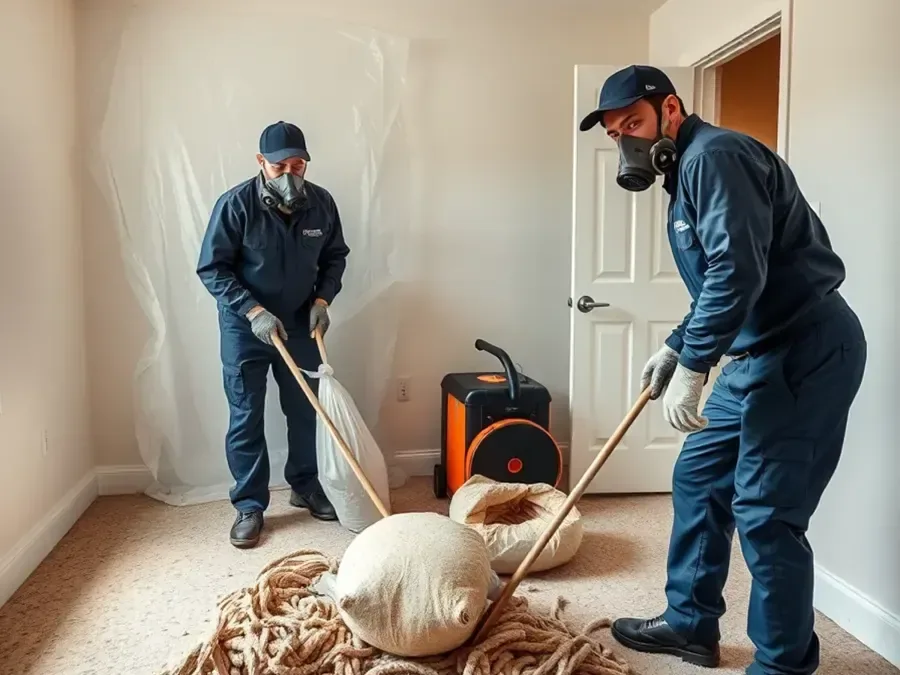
First steps for sewage backup cleanup
- 1
Stop household fixture use
Sinks, showers, toilets, dishwashers and washing machines should remain unused during the backup, following the authority's advice while the drainage problem is reported and investigated.
- 2
Separate people from wastewater
The affected room and any contaminated access path should stay closed to occupants and pets. Avoid moving dirty contents into clean storage or living areas.
- 3
Report the sewer return
The authority's public main inspection and a plumber's private obstruction work address different responsibilities. Provide the observed drain behavior and the property location when reporting the problem.
- 4
Notify the building decision maker
Tenants should inform their landlord, while owners should arrange access for the source investigation and cleanup assessment, including any locked storage or lower level rooms.
How the team approaches sewage backup cleanup
Assess the affected assembly
Sewage losses involve more than pumping dirty water. The scope must identify absorbent materials touched by wastewater, establish a protected removal route and coordinate the drainage problem while cleaning and drying address damage already inside the building.
Wastewater and contaminated floor materials require restricted access. Stop fixture use, report the drainage problem and keep occupants outside the affected area while the source and cleanup responsibilities are coordinated.
(888) 557-1733Describe the returning sewageWhat does sewage backup cleanup cost in Conshohocken, PA?
Sewage cleanup in Conshohocken is shaped by contamination depth, absorbent materials and access to concealed spaces. Clearing the drainage obstruction is distinct from restoration. The estimate should explain contaminated material removal, cleaning of retained surfaces and the drying work required before the affected rooms can be repaired.
Compare the inputs in the water damage cost calculator.
The sewage backup cleanup process in Conshohocken
- 1
Establish contamination and source status
The assessment records the returning drain, affected surfaces and ongoing fixture restrictions while the authority or plumber investigates the portion of the sewer system involved.
- 2
Set the removal route
The work area and debris pathway are organized to protect dry rooms, with separate handling decisions for contaminated contents, absorbent finishes and materials that can remain.
- 3
Remove and clean before air movement
Unsuitable materials are addressed and retained surfaces cleaned before the drying phase begins, including concealed junctions where wastewater may remain after visible liquid is extracted.
- 4
Monitor the structure left in place
Moisture observations track the retained building materials and establish the reconstruction boundary, while source repair information is kept with the loss record for a clear handoff.
Returning sewage can travel underneath stored items and into wall bases before the source is controlled. Cleanup needs a clear contaminated boundary, including any route used by occupants after discovery. Restricting access protects unaffected rooms while the source investigation and material assessment establish the extent of work inside the building.
Use the authority's reporting process
Conshohocken Authority personnel check the public sewer main when a backup is reported and remove an obstruction found in that main. Obstructions in a sewer lateral or inside plumbing are the property owner's responsibility. During a backup, the authority advises stopping fixture use; tenants should also notify their landlords so property access and private plumbing work can be coordinated.
Let contact with wastewater define the scope
For properties along Fayette Street, Elm Street or Washington Street, the affected room layout determines containment and removal access. The authority identifies grease buildup and roots entering sewer cracks as blockage contributors. Inside the property, contaminated carpet, wall materials and contents need individual assessment before water removal is treated as a completed cleanup.
- Keep household fans off until contaminated surfaces have been addressed within the work plan.
- Separate dry storage from the removal route used for sewage affected belongings and materials.
- Inspect beneath finishes where wastewater can remain after exposed surfaces have been cleaned.
Plan the lower level repair handoff
The authority recommends a check valve for properties with sewage service to their basements. That plumbing discussion is separate from restoring the current damage. Basement water removal may require additional access planning, followed by cleaning and moisture monitoring of retained assemblies. The final record should explain removed materials and the repair boundary left after the contaminated area has been addressed.
Sewage backup cleanup in Conshohocken
Sewage restoration in Conshohocken needs a property contact who can describe affected drains, arrange access and coordinate private plumbing work. The inspection should include connected storage and lower level spaces where wastewater may have spread beyond the first visible point of return.
The same service nearby: sewage backup cleanup in King of Prussia, Norristown, Ambler.
Water damage restoration in Conshohocken · every town covered
Sewage Backup Cleanup questions
Wastewater and contaminated floor materials require restricted access. Stop fixture use, report the drainage problem and keep occupants outside the affected area while the source and cleanup responsibilities are coordinated.
(888) 557-1733Who checks the public main during a backup?
The Conshohocken Authority checks its public sewer main when a backup is reported. Personnel remove an obstruction found in that main. A private lateral or inside plumbing obstruction remains the property owner's responsibility and may need a plumber's attention.
Which fixtures should stop operating?
The authority advises stopping sinks, dishwashers, showers, toilets and washing machines during a sewer backup. Additional fixture use can add wastewater to the problem. The source investigation should establish when normal drainage can resume while cleanup addresses existing contamination.
Can sewage touched carpet simply be dried?
Absorbent materials touched by sewage need a contamination assessment before any drying decision. Extraction alone cannot resolve wastewater retained in backing or cushion. The scope should explain removal needs and how the underlying building surfaces will be cleaned and inspected.
Does a check valve replace the cleanup work?
A plumbing change addresses future drainage behavior, while the current spill still requires restoration. The authority recommends a check valve for properties with sewage service to their basements. The plumber should assess the property while cleanup addresses existing contaminated materials.
What should a tenant do about the source?
The authority advises tenants to notify their landlords about a backup. Management can arrange access and private plumbing work while the public main is checked through the reporting process. The tenant should avoid contaminated areas and stop fixture use.
Why keep fans off before cleaning?
Air movement across dirty surfaces can spread contamination beyond the original room. The work plan should first address sewage affected materials and retained surfaces. Controlled drying follows that preparation and focuses on the structure remaining after removal and cleaning.
Restore the room after the blockage is addressed
The cleanup scope should identify wastewater contact, removal needs and retained surfaces so source repair and building restoration can progress with clear responsibilities.