Basement Water Removal in Conshohocken
The stairs can be the first sign that a basement is no longer safe to enter. Conshohocken water removal should establish utility safety, the source of the water and a workable route for pumping and material handling.
(888) 557-1733Discuss water on the lower level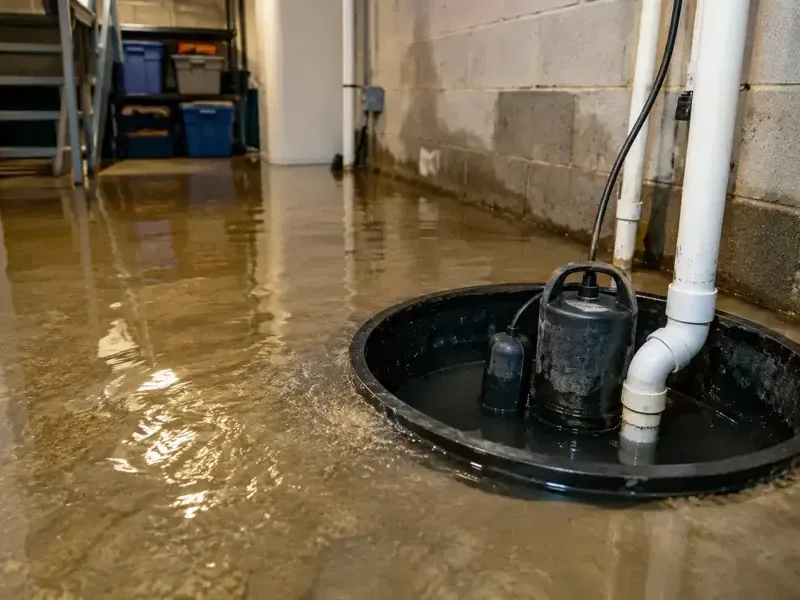
First steps for basement water removal
- 1
Assess the stair approach first
Water near the bottom of the stairs can conceal electrical and physical hazards. Entry should wait until the lower level and its utility exposure have been assessed.
- 2
Identify the apparent entry route
The property contact can report rainwater entry, a plumbing release or returning drains from a safe position. That distinction helps establish source work and contamination precautions.
- 3
Keep contents movement controlled
Heavy wet boxes and unstable stored items should remain undisturbed until a handling plan exists. Moving them through clean rooms can spread water, debris or contamination.
- 4
Plan access to hidden edges
The inspection may need space behind shelving and along finished walls. Coordinated access allows moisture checks beyond the open floor without overlooking wet materials concealed by storage.
How the team approaches basement water removal
Assess the affected assembly
Basement restoration needs more than a pump placed at the lowest spot. The inspection considers electrical equipment, returning water, stored contents and finished assemblies so removal and drying can address the entire lower level footprint safely and in a planned sequence.
A wet basement requires an access and utility assessment before anyone walks downstairs. Describe the visible conditions from a dry location and keep occupants away from the affected lower level.
(888) 557-1733Explain the lower level conditionsWhat does basement water removal cost in Conshohocken, PA?
Basement water removal costs in Conshohocken depend on safe access, water condition and the materials below the visible surface. Stored contents and finished walls can complicate the work. The estimate should describe pumping, necessary removal, cleaning and drying, along with any separate source or equipment repair.
Compare the inputs in the water damage cost calculator.
The basement water removal process in Conshohocken
- 1
Establish a safe removal approach
Utility conditions, stairs and water entry are evaluated together before pumping begins, with the available access route shaping equipment placement and the movement of affected materials.
- 2
Expose the lower level footprint
Water removal and controlled contents handling reveal floor edges, wall bases and hidden recesses, allowing the inspection to identify damage that was concealed beneath standing liquid.
- 3
Address finishes and contamination
Material condition and water source determine cleaning and removal needs. Finished wall assemblies and flooring layers receive separate attention from the open concrete or other exposed surfaces.
- 4
Document moisture before reconstruction
The retained lower level materials are monitored and outstanding access needs recorded, providing a clear basis for rebuilding finishes and returning stored contents after the restoration work.
A flooded lower level can hide electrical equipment, floor openings and unstable stacks of stored belongings. The assessment should begin before anyone descends the stairs. Once access is safe, the removal plan needs to account for the water source, available discharge route and the materials concealed beneath contents or wall finishes.
Use the water pathway to choose the response
The Schuylkill River borders the borough, and September 2021 reporting described floodwater on Washington Street. A basement near Fayette Street or elsewhere in town still needs an inspection of its present entry route. Supply leaks, outdoor water and a returning drain call for different source coordination and contamination decisions inside the building.
Give stored contents a separate work area
- Inspect shelving bases and boxes before moving them so wet or contaminated items do not enter clean storage.
- Check wall finishes hidden behind stacked belongings where moisture can remain after the floor is cleared.
- Keep the access stairs and equipment route available while removal work proceeds through the lower level.
- Document floor coverings and underlying layers separately when the basement contains finished living space.
Address drainage and drying as distinct tasks
The Conshohocken Authority recommends a check valve for properties with sewage service to their basements. A sewage backup therefore needs both plumbing attention and a contamination cleanup scope. Where a failed basin pump is involved, sump failure cleanup connects equipment troubleshooting to water already indoors. After removal, readings at wall bases, floor layers and exposed framing help determine the drying plan. The repair handoff should explain the retained materials and any lower level area that remains inaccessible behind storage or fixed finishes.
Basement water removal in Conshohocken
Basement cleanup in Conshohocken needs a clear description of access, source symptoms and stored contents. A property contact who can identify utility equipment and arrange entry to enclosed lower level rooms helps the inspection address both visible water and concealed material damage.
The same service nearby: basement water removal in King of Prussia, Norristown, Ambler.
Water damage restoration in Conshohocken · every town covered
Basement Water Removal questions
A wet basement requires an access and utility assessment before anyone walks downstairs. Describe the visible conditions from a dry location and keep occupants away from the affected lower level.
(888) 557-1733Is it safe to walk downstairs through shallow water?
Even shallow water requires a safety assessment. Electrical equipment, concealed openings and unstable contents can make a shallow flooded area hazardous. The access route and utility conditions should be assessed before anyone enters the lower level to inspect or move belongings.
Will pumping solve water that keeps coming back?
Continuing inflow needs source attention alongside removal. The cause may involve plumbing, drainage or outdoor entry. The inspection should establish the pathway and coordinate the appropriate repair so the basement does not simply refill after the initial water removal.
How does sewage change basement cleanup?
Wastewater requires restricted access and assessment of contaminated absorbent materials. Cleaning and removal come before controlled drying of retained surfaces. The authority recommends a check valve for properties with basement sewage service, which is a separate plumbing discussion from current cleanup.
Can stored boxes remain where they are?
Their condition and location determine handling. Wet boxes can collapse, conceal damage or obstruct equipment. A planned contents area and removal route help the inspection reach the walls and floor while avoiding the spread of debris into unaffected storage or living spaces.
Why inspect finished basement walls after pumping?
Water can soak lower wall materials or remain behind finishes after the floor clears. Moisture observations help establish removal and drying needs. The scope should address those assemblies before trim and flooring repairs conceal the affected junctions again.
What information helps arrange the inspection?
Useful details include the source symptoms, approximate affected rooms, utility exposure and whether the basement has finished walls or extensive storage. The property contact should also explain stair access and any locked rooms that need to be included in the assessment.
Remove the water and inspect behind the contents
The restoration scope should include safe pumping access, affected storage and moisture at finished walls so the basement repair follows the full water footprint.