Basement Water Removal in Norristown
A flooded basement can place utilities, storage and finished walls inside the same wet area. Norristown removal planning starts with entry safety and the water source, then identifies which materials remain affected after pumping makes the floor visible.
(888) 557-1733Describe the flooded lower level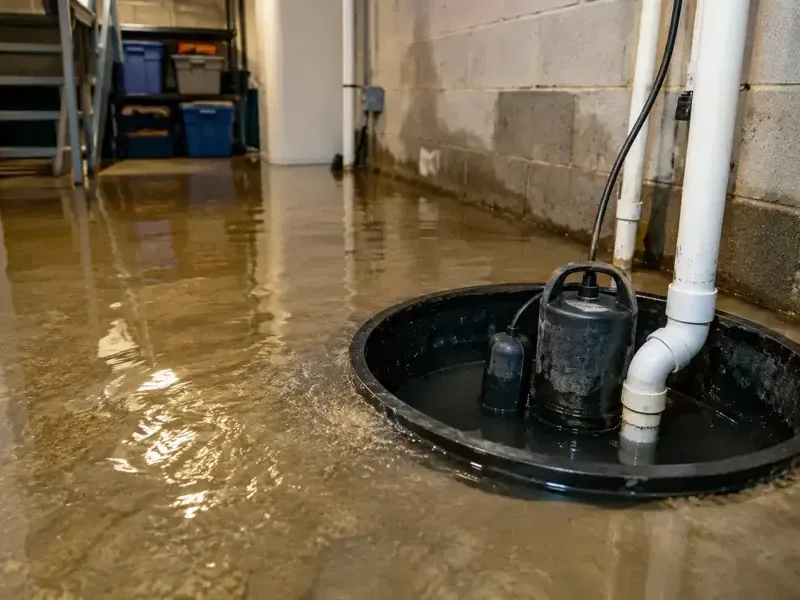
First steps for basement water removal
- 1
Stay above uncertain water
Do not descend into basement water around electrical equipment or submerged controls. Describe the visible depth and utilities from a safe position before access is assessed.
- 2
Explain how water entered
Report whether the problem followed rain, a pipe release, a drain return or an overflowing basin. Mention continuing inflow so removal can be coordinated with source control.
- 3
Identify stored belongings
List boxes, furniture and other items in the wet area without entering to retrieve them. Contents handling can be planned alongside access for pumping equipment.
- 4
Document the lower wall boundary
Photograph visible water marks and the room entrance from dry access. These images help preserve the original conditions before pumping and material removal change the basement.
How the team approaches basement water removal
Assess the affected assembly
Basement water recovery addresses standing liquid in lower rooms and the materials exposed around it. The scope considers utilities, access, contamination and stored belongings before moving into inspection of finished walls, floor coverings and moisture remaining after the initial pumping work.
Keep out of basement water where utility conditions are uncertain. Describe the source, visible depth and stored contents from a dry position so safe access can be planned before pumping begins.
(888) 557-1733Report the lower room conditionsWhat does basement water removal cost in Norristown, PA?
Basement water removal in Norristown depends on access, water condition and the finishes or contents submerged with the floor. A utility area can require a different scope from a finished lower room. Estimates should distinguish pumping, contamination handling and drying from source repairs and the replacement of damaged finishes.
Compare the inputs in the water damage cost calculator.
The basement water removal process in Norristown
- 1
Assess utilities and entry conditions
Inspection identifies hazards, the source and continuing inflow before establishing a route for people, pumping equipment and affected contents through the lower level.
- 2
Recover water with source coordination
Pumping and extraction address accessible liquid while drainage or plumbing work resolves the cause, with the remaining water condition considered before belongings or finishes are handled.
- 3
Inspect the newly exposed room
Once the floor is visible, the assessment checks wall bases, coverings and utility enclosures, recording wet materials that require removal, cleaning or better access for effective drying.
- 4
Document the lower level handoff
Moisture results and material decisions describe the retained assembly, while the final scope identifies repairs and contents work still needed before the basement returns to its intended use.
The basement floor can remain hidden beneath water while boxes, equipment and finish materials sit in the same pool. Entering to rescue belongings may bring an occupant close to submerged electrical components. The initial assessment should establish safe access before the removal method or contents handling begins.
Use the source to shape the lower level work
CBS reported basement flooding on East Lafayette Street during the August 28, 2011 event. The borough also sits along the Schuylkill River, where Stony Creek empties into it. For a current loss, describe the actual entry point and whether water is still rising or returning after removal.
Supply water, outdoor entry and a drain backup require different cleanup decisions. A finished basement also contains more concealed layers than an open utility room. Identify flooring, wall coverings and stored contents so the scope can include materials beyond the visible liquid.
Plan the route for water and belongings
- Assess stair access and dry entry routes before moving hoses, equipment or saturated contents through the home.
- Keep affected boxes separated from dry storage, documenting damaged belongings before any disposal when safe.
- Check the lower wall assembly where water remained against trim, drywall or another absorbent finish.
- Inspect floor coverings and utility enclosures after pumping reveals surfaces that were hidden by the water.
Move from removal to material recovery
When a basin overflow contributed to the loss, sump failure cleanup coordinates the drainage issue with interior recovery. Structural drying addresses retained moisture after extraction and necessary cleaning. The basement work record should identify removed water, affected materials and remaining repairs so the lower level is evaluated as a complete room rather than an empty floor alone.
Basement water removal in Norristown
Basement assessments in Downtown, West End and North End should describe the entrance, utility locations and whether the lower room is finished. Mention storage and continuing water entry so the removal plan can account for access and the materials likely to require attention after pumping.
The same service nearby: basement water removal in King of Prussia, Conshohocken, Ambler.
Basement Water Removal questions
Keep out of basement water where utility conditions are uncertain. Describe the source, visible depth and stored contents from a dry position so safe access can be planned before pumping begins.
(888) 557-1733Is it safe to enter a shallow basement puddle?
Even shallow water can contact electrical equipment or conceal contamination and floor hazards. Stay outside the affected area until those conditions are assessed, and describe the utilities and visible water from a dry location when arranging the removal work.
Does the source matter if pumping is needed anyway?
Yes. Supply water, outdoor flooding and wastewater require different handling of the affected materials. Continuing entry also changes the removal plan. Explaining how the water arrived helps coordinate source control with pumping and determines what cleaning is needed before the retained assembly is dried.
Can stored cardboard boxes remain on the floor?
Wet cardboard and its contents need assessment and separate handling. Leaving saturated storage against walls can obstruct inspection and drying. Document damaged items from safe access and coordinate movement so wet materials are not carried into unaffected rooms without a suitable handling plan.
Why inspect finished walls after the water is gone?
Wall bases can absorb water and conceal wet insulation or framing behind the visible finish. The cleared floor makes that inspection possible but does not complete it. Material condition and moisture readings determine whether access, removal or drying is needed inside the lower assembly.
What if the basement fills again after removal?
Returning water indicates an unresolved source or drainage condition that needs attention alongside pumping. Report the timing and entry location to the responsible trade. The cleanup plan should account for that active condition before committing to drying or replacement of affected basement finishes.
When can the basement be used for storage again?
The room should have suitable moisture conditions, safe utilities and an understood repair status. Drying records help establish that handoff. Returning boxes too early can obstruct access and conceal damp wall or floor areas that still need work before the space is ready for normal storage.
Clear the water and assess the entire basement
Arrange removal that accounts for utilities, finishes and belongings, followed by a clear explanation of the materials still needing cleanup or drying.