Storm Flood Cleanup in Norristown
Floodwater leaves more than wet surfaces after it recedes. Norristown storm cleanup addresses sediment, affected belongings and contaminated porous materials before drying begins, with the work area kept separate from rooms that remained dry.
(888) 557-1733Discuss floodwater inside rooms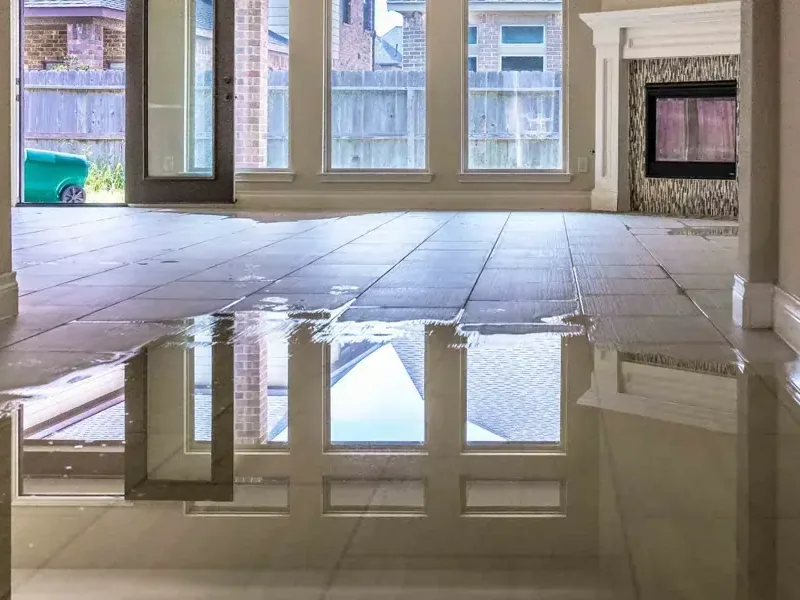
First steps for storm flood cleanup
- 1
Wait for safe access
Keep occupants outside flooded rooms until electrical, structural and contamination concerns have been assessed. Receding water alone does not make entry appropriate.
- 2
Photograph the flood boundary
From a dry location, document water marks, sediment and submerged contents. Preserve those images before removal work changes the visible condition of the room.
- 3
Restrict traffic through residue
Prevent children, pets and visitors from crossing wet debris. Leave affected belongings in a controlled area until their movement and handling are planned.
- 4
Describe continuing water entry
Report whether outside water or drains are still feeding the room. The recovery plan must account for active entry before cleaning and drying can progress.
How the team approaches storm flood cleanup
Assess the affected assembly
Storm flood recovery handles water that has entered from outside and the residue it leaves behind. Assessment covers safe access, contamination, affected finishes and the sequence needed to clean exposed materials before structural drying can proceed.
Keep outdoor floodwater and wet sediment away from occupied rooms. Avoid entering affected spaces around utilities until access and contamination conditions have been assessed by appropriate personnel.
(888) 557-1733Explain the flood entryWhat does storm flood cleanup cost in Norristown, PA?
Storm flood cleanup in Norristown depends on the contaminated footprint, material layers and quantity of affected contents. Removal and cleaning can require more work than the water depth suggests. The estimate should distinguish debris handling, material disposal, surface treatment and drying from later reconstruction of the rooms.
Compare the inputs in the water damage cost calculator.
The storm flood cleanup process in Norristown
- 1
Establish a controlled work area
The assessment identifies entry hazards, the affected boundary and the route for moving equipment or debris without carrying contamination through otherwise usable rooms.
- 2
Recover water and remove debris
Standing water and sediment are addressed in a planned sequence, with affected contents and porous finishes evaluated for disposal or suitable cleaning during removal.
- 3
Prepare retained building surfaces
Exposed materials that can remain receive appropriate cleaning before drying begins, and the scope records the areas opened to reach contaminated or saturated concealed layers.
- 4
Track recovery before rebuilding
Moisture checks follow the retained assembly after preparation, while the completion record separates the cleanup work from replacement finishes and any additional property repairs still needed.
Receding floodwater can expose a floor coated with fine sediment while wetness remains inside wall bases. A storm cleanup plan should cover both conditions. Removing the liquid makes the room accessible; handling residue and affected materials determines how the building can move into drying.
Use the entry location to frame the assessment
The borough's floodplain maps list the Schuylkill River, Stony Creek and Sawmill Run. During a property assessment, the practical starting point is where water entered and which rooms it reached. Report door openings, drains and lower spaces that continued admitting water during the event.
The northeast and southeast map also names Bartash Park. Property owners can retain relevant flood documents with their loss records while documenting the actual interior boundary in photographs. That record helps explain which contents were submerged and how high water reached on the room's finishes.
Handle the residue before moving air
- Keep foot traffic out of the affected space so tracked sediment does not expand the cleanup into dry areas.
- Separate saturated absorbent belongings for assessment before moving them through occupied parts of the home.
- Evaluate wet wall coverings and floor layers for contamination and access needs before choosing a drying arrangement.
- Clean exposed recoverable surfaces after debris removal, with the work sequence suited to the material and water condition.
Build the drying plan around prepared materials
Lower level water removal addresses access and pumping where a basement holds floodwater. After affected materials are handled and cleanable surfaces prepared, structural moisture checks track the retained assembly. The scope should explain disposal, cleaning and drying separately so the homeowner understands how the room progresses from a flooded space to an area ready for repair.
Storm flood cleanup in Norristown
Flood cleanup assessments can address affected rooms in Downtown, West End and East End. Explain where outdoor water entered, whether drains also overflowed and which spaces remain inaccessible. Those observations help define the work boundary and the equipment access needed for recovery.
The same service nearby: storm flood cleanup in King of Prussia, Conshohocken, Ambler.
Storm Flood Cleanup questions
Keep outdoor floodwater and wet sediment away from occupied rooms. Avoid entering affected spaces around utilities until access and contamination conditions have been assessed by appropriate personnel.
(888) 557-1733Why treat outdoor floodwater differently from a supply leak?
Outdoor water can carry soil, debris and contamination into the building. That affects material handling and cleaning decisions. The recovery plan should account for the entry source and contact history before deciding which finishes can remain and when drying equipment can begin operating.
Can fans be started as soon as the water recedes?
The area needs assessment and preparation first. Moving air through unaddressed contaminated residue can complicate cleanup. Water removal, debris handling and suitable surface cleaning establish the conditions for drying the retained materials, with equipment arranged after the affected space is ready.
What helps document flooded belongings?
Photographs showing each item and its condition are useful before disposal when they can be taken safely. Note identifying details and retain relevant purchase records if available. The contents assessment should separate items suitable for cleaning from materials that cannot practically be recovered.
Does a municipal map identify the cleanup scope?
The cleanup scope comes from the water source, interior damage and condition of the affected materials. Flood documents can remain part of the property record, while room photographs and inspection findings explain the work needed after a particular event inside the building.
Should wall bases be inspected after shallow flooding?
Water can enter finish joints and absorb into wall materials even when the visible depth was limited. Checking the lower assembly helps identify trapped moisture and contamination. The need for opening or removal depends on the materials and the conditions found during inspection.
When can stored items return to the cleaned room?
The room should be ready for normal use before contents are returned. That includes the condition of cleaned surfaces, moisture results and any remaining repair hazards. Placing storage against a damp assembly can obstruct further drying and hide areas that still require attention.
Plan cleanup from sediment removal through drying
Describe the rooms reached by water and the contents involved so the recovery scope can address removal, cleaning and retained building materials.