Storm Flood Cleanup in Ambler
Mud at a doorway changes the cleanup decision. Storm flood restoration in Ambler treats outdoor water as a contamination concern, protecting clean space while affected contents, floor layers and wall bases are assessed for removal and drying.
(888) 557-1733Discuss water from outside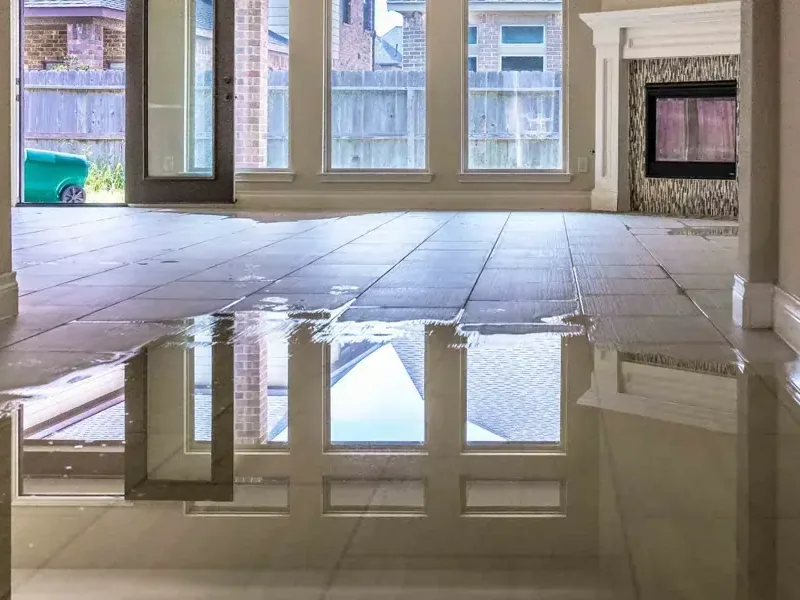
First steps for storm flood cleanup
- 1
Stay outside unsafe water
Do not enter floodwater near electrical equipment or where depth and footing are uncertain. Keep children and animals away from the affected building areas.
- 2
Stop traffic through damage
Use a dry alternative route when available. Avoid carrying muddy possessions through occupied rooms before a handling and cleaning arrangement has been established.
- 3
Record entry and debris
Photograph thresholds, water marks and damaged items from a safe location. Note which doors or openings first showed water entering the structure.
- 4
Report current utility conditions
Describe any outage, electrical concern or restriction affecting the property. The restoration assessment needs those details along with the rooms and levels involved.
How the team approaches storm flood cleanup
Assess the affected assembly
Flood cleanup deals with more than water volume. Soil, debris and contact with outdoor surfaces affect material decisions, making controlled removal and cleaning necessary before drying can prepare retained building materials for the next repair stage.
Outdoor water can hide unsafe footing and electrical hazards while contaminating nearby belongings. Keep the wet area restricted and avoid using occupied rooms as a route for unassessed debris or soaked contents.
(888) 557-1733Explain the outdoor entry routeWhat does storm flood cleanup cost in Ambler, PA?
Storm flood cleanup in Ambler may range from $2,500 to $5,000 for limited outdoor water entry to $10,000 to $20,000 for an extensive flood footprint. Debris, contamination and concealed spread drive removal needs. Structural repairs and replacement contents can fall outside the mitigation estimate.
Compare the inputs in the water damage cost calculator.
The storm flood cleanup process in Ambler
- 1
Set the work boundary
The assessment establishes safe access, identifies where outdoor water traveled and separates the affected work area from clean rooms and usable household routes.
- 2
Clear liquid and debris
Removal addresses standing water and deposited material, with wet contents sorted according to condition and handled along a route that protects unaffected space.
- 3
Clean the retained structure
Contaminated porous losses are removed as needed, and suitable remaining surfaces receive cleaning before a drying setup is arranged for the exposed building materials.
- 4
Measure and plan repairs
Moisture changes determine whether retained materials are ready for reconstruction, while the written handoff records removed finishes, remaining repairs and any unresolved entry concerns.
Outdoor water can carry sediment through a room and leave contamination beneath finishes that still look intact. Walking through the affected area also transfers that material to dry flooring. Establishing a clean boundary is therefore part of the first cleanup decision, before boxes or furniture are carried elsewhere.
Understand the borough's drainage setting
The municipal storm sewer conveys runoff to Tannery Run, Stuart Farm Creek, Rose Valley Creek and Wissahickon Creek. Its roads, gutters, inlets and channels collect water from across the borough. An affected property's cleanup still starts at the actual entry point, following water through the rooms and materials reached indoors.
A September 2, 2021 borough notice reported storm related power outages at water facilities and requested conservation while supply arrangements were maintained. That history highlights the value of reporting current utility conditions alongside indoor damage. Electrical safety and usable water service influence how an occupied building can be accessed during restoration.
Remove the contamination before arranging airflow
- Keep clean belongings outside the wet route so sorting possessions does not enlarge the contaminated work area.
- Record debris and water marks before controlled removal changes the room's visible condition and the original entry path.
- Assess porous floor coverings and lower wall materials for contamination that cleaning the surface cannot adequately address.
- Plan disposal and equipment routes around occupied spaces, with attention to doors, stairs and temporary storage locations.
Move from flood removal to a dry structure
Standing water removal opens access for cleaning and material assessment. Once contaminated losses are addressed, structural drying targets retained assemblies. The scope should explain which finishes were removed, which surfaces were cleaned and what measurements support reconstruction. Separating those tasks helps the owner understand why a visibly clear floor can still need substantial work before the room returns to normal use.
Storm flood cleanup in Ambler
Storm cleanup in Ambler depends on the property's access and current conditions after outdoor water entry. Report affected levels, utility concerns and any route that remains dry so removal, cleaning and equipment movement can be planned around the occupied building.
The same service nearby: storm flood cleanup in King of Prussia, Lansdale, Norristown.
Storm Flood Cleanup questions
Outdoor water can hide unsafe footing and electrical hazards while contaminating nearby belongings. Keep the wet area restricted and avoid using occupied rooms as a route for unassessed debris or soaked contents.
(888) 557-1733Is rainwater inside a room always clean?
Water that has crossed outdoor surfaces can carry contamination and debris into the building. The entry route matters as much as its appearance. Describe whether water came through a doorway, over the ground or from a roof opening during assessment.
Can fans run before flood cleanup starts?
Air movement should follow the contamination assessment. Blowing across dirty surfaces can spread material into clean areas before removal and cleaning occur. Keep the affected room restricted and let the restoration plan determine when and where drying equipment should operate.
What happens to wet cardboard storage boxes?
Cardboard absorbs water and can transfer contamination to its contents or clean flooring. Document the boxes before moving them when safe, then separate affected storage from usable items. Handling decisions should consider the water source and the condition of the contents.
Does a nearby creek identify the source?
The source at a property needs direct investigation. Water may enter through several routes during a storm, including openings and drainage problems. Describe where it appeared and the sequence of events so the assessment can follow the actual indoor path.
Can occupied rooms remain separated from cleanup?
A separation plan may preserve some usable space when safety and building layout allow it. Contaminated traffic, equipment routes and available facilities must be considered. Discuss occupants and necessary access before moving belongings or opening a path through the affected rooms.
What documents help explain the flood loss?
Useful records include photographs before removal, the discovery sequence, affected item lists and a scope separating cleanup from rebuilding. Save relevant repair and mitigation receipts. Insurance decisions depend on the policy and cause, so documentation supports the claim without promising coverage.
Recover the rooms reached by stormwater
Describe water marks, debris and affected levels so the cleanup scope can address contamination as well as the moisture left in the building.