Storm Flood Cleanup in Lansdale
Water arriving from outdoors changes the cleanup priorities. Before drying starts, the affected rooms need assessment for debris, contamination and damaged absorbent materials so the work does not spread the problem into otherwise usable living space.
(888) 557-1733Discuss outdoor water entry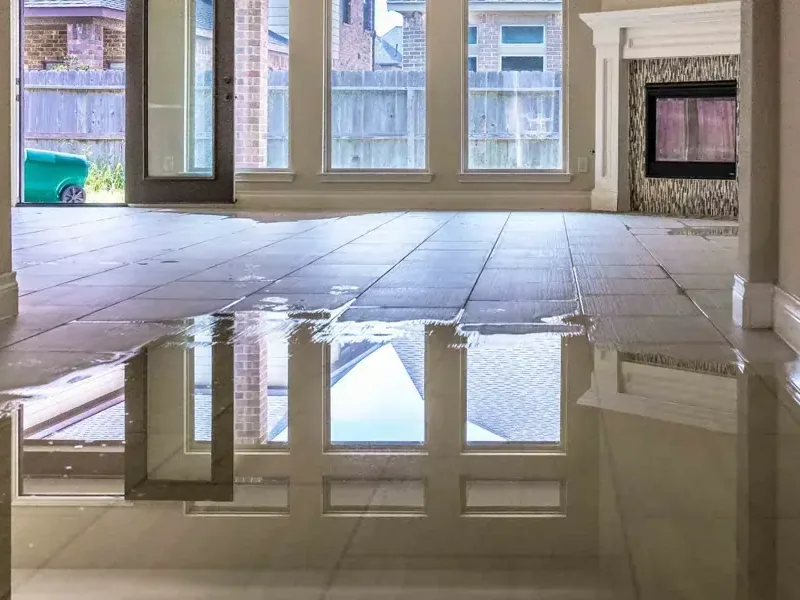
First steps for storm flood cleanup
- 1
Avoid uncertain floodwater
Keep people and pets outside affected rooms while electrical hazards and contamination are assessed. Outdoor water requires careful handling even when it appears clear.
- 2
Record the entry conditions
From dry footing, note where water entered and which rooms it reached. Photographs of sediment and wet edges can support the inspection without disturbing the area.
- 3
Keep affected belongings separate
Do not stack wet cartons or furnishings in clean rooms. Contents handling should preserve a clear distinction between exposed possessions and items outside the flood footprint.
- 4
Report ongoing outside entry
Explain whether water is still arriving or the exterior level has receded. That distinction helps plan removal and coordinate any separate drainage or opening repair.
How the team approaches storm flood cleanup
Assess the affected assembly
Storm flood restoration handles water that has entered from outside and affected interior materials. Removal, cleaning and disposal decisions come before the retained building surfaces are dried and prepared for the remaining repair work.
Outside floodwater can conceal debris and electrical hazards. Keep the affected interior isolated until its access and contamination conditions have been assessed, and avoid moving exposed belongings through clean occupied rooms.
(888) 557-1733Report the flood entry routeWhat does storm flood cleanup cost in Lansdale, PA?
Storm flood cleanup in Lansdale varies with the contaminated footprint, debris load and number of absorbent materials requiring removal. The estimate should explain extraction, disposal, cleaning and drying individually. Entry repairs and reconstruction may add separate work after the interior condition is established and the retained surfaces are ready.
Compare the inputs in the water damage cost calculator.
The storm flood cleanup process in Lansdale
- 1
Establish contamination boundaries
Inspection records entry, water contact and safe access, separating the affected interior from clean routes needed for equipment and removed materials throughout the work.
- 2
Remove liquid and damage
Water, debris and materials selected for disposal are handled within the defined zone, limiting contamination transfer through unaffected portions of the occupied property.
- 3
Clean retained surfaces
Suitable surfaces receive treatment for the contamination present, including edges exposed during removal, before equipment is positioned around the remaining wet building assemblies.
- 4
Document interior drying
Monitoring follows retained materials. Completion notes identify reconstruction and source control work still required before the affected rooms return to their intended use.
Lansdale Borough describes excess stormwater moving over roads and parking lots, and identifies clogged storm and sewer drains among problems caused by debris in runoff. When that outside water enters a building, the assessment needs to address what it carried and which interior surfaces it contacted.
Map entry and the indoor travel route
A doorway, lower opening or other entry point gives the inspection a starting location. The water may then spread beneath partitions or collect behind stored items. Recording its highest visible reach and the rooms connected by wet flooring helps establish a practical boundary for removal, cleaning and contents handling.
Main Street, Valley Forge Road and the Cherry Street Neighborhood are useful references when arranging a property visit. The restoration scope depends on the individual building's entry path and affected materials. The borough's MS4 program addresses storm sewer pollution; interior cleanup needs its own assessment of the water already inside.
Sort materials by contact and condition
- Identify absorbent finishes that have contacted outdoor water and cannot be treated as an ordinary clean spill.
- Keep wet storage cartons and debris from crossing dry flooring during removal from the building.
- Inspect concealed floor edges where sediment or liquid remains after open areas have been cleared.
- Record washable retained surfaces that need cleaning before the room receives drying equipment.
Rebuild only after the cleanup sequence is complete
Basement water removal may be part of a storm loss when accumulation affects a lower level. For the surfaces that can remain, structural drying follows removal and cleaning. Any drainage or entry repair should be assigned separately so restoration of the interior is coordinated with work intended to prevent the same route from admitting water again.
Storm flood cleanup in Lansdale
Storm cleanup requests near Broad Street should describe the entry opening and the rooms that received outside water. Include visible debris and any blocked access. Those details help organize the assessment around contamination handling, removal routes and the building materials within the actual flood footprint.
The same service nearby: storm flood cleanup in King of Prussia, Ambler, Norristown.
Storm Flood Cleanup questions
Outside floodwater can conceal debris and electrical hazards. Keep the affected interior isolated until its access and contamination conditions have been assessed, and avoid moving exposed belongings through clean occupied rooms.
(888) 557-1733Can clear stormwater be treated like tap water?
Water entering from outdoors may carry contamination even when it looks clear. Its route and contact with outside surfaces matter. Cleanup should evaluate that condition before deciding what can remain, how surfaces will be cleaned and when air movement can begin inside.
Why are wet cartons a cleanup concern?
Cardboard absorbs water and can retain contamination against the belongings inside. Moving soaked cartons into clean rooms can also spread residue. The contents assessment should consider both the container and its contents, with handling organized around the condition of the exposed materials.
Should drying equipment run before debris is removed?
The cleanup sequence should address contamination and unsuitable materials before circulating air through the space. Removing liquid alone leaves residues on surfaces and in recesses. Equipment placement belongs after the assessment determines which retained materials are ready for the drying stage.
Does the borough's drainage program cover interior restoration?
The borough implements an MS4 program for pollution from storm sewer collection systems. Interior restoration is a separate project involving water already inside a property. The building's affected finishes, contents and concealed spaces need their own inspection, removal decisions and drying scope.
Can a cleaned tile surface hide remaining flood damage?
Yes. Water may reach joints, adjoining wall bases or layers beneath the visible surface. Cleaning the exposed tile is only part of the assessment. Checks around edges and connected assemblies help determine whether moisture or contamination remains beyond the open floor.
How should drainage repairs fit into the project?
The route that admitted water should be evaluated separately from interior cleanup. Repair planning can run alongside removal and drying, but the estimate should distinguish those tasks. That separation makes the indoor completion record and the remaining entry control responsibilities easier to understand.
Set a clear boundary for storm recovery
Describe where outside water arrived, the rooms it crossed and the contents it touched so removal and cleaning can be planned together.