Water Extraction in King of Prussia, PA
The extraction crew removes standing water from floors and accessible voids, then checks the wet boundary. Water extraction in King of Prussia addresses the liquid load before dehumidification handles moisture held inside materials.
(888) 557-1733Lift the standing water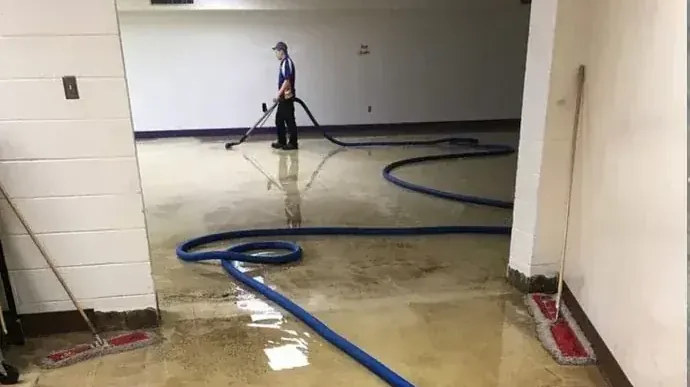
First steps for water extraction
- 1
Keep electricity separate
Occupants remain on dry ground when outlets, appliances or electrical panels could contact water. Electrical isolation requires safe access before extraction starts.
- 2
Stop a reachable release
A safe shutoff limits an active plumbing loss. The crew confirms whether water still enters before setting recovery equipment in the room.
- 3
Photograph the perimeter
Wide views and close photographs capture the wet footprint, affected floor coverings and contents before hoses or furniture change the scene.
- 4
Protect dry access
The team plans hose routes and contents movement so liquid and debris do not spread into unaffected rooms during extraction.
How the team approaches water extraction
Assess the affected assembly
The assessment distinguishes deep standing water from moisture retained in carpet, padding and subfloor layers. Pumps handle depth; extraction tools recover remaining liquid, and meters identify areas that still need controlled drying.
Standing water near wiring or an unstable ceiling requires a safe entry decision. The response team assesses those hazards before people or powered equipment move into the affected room.
(888) 557-1733Arrange floor-water recoveryWhat does water extraction cost in King of Prussia, PA?
Water extraction commonly costs $500 to $1,500 for a small accessible room, $1,500 to $3,500 across several rooms and $3,500 to $7,000 for deeper or difficult access. These planning ranges depend on depth, contamination and material removal; structural drying adds its own scope.
Compare the inputs in the water damage cost calculator.
The water extraction process in King of Prussia
- 1
Map the release
The technician identifies the water source and traces its spread into adjoining rooms, recording moisture boundaries before extraction changes the evidence.
- 2
Recover the bulk water
The crew selects pumps or suction tools for depth and flooring, then removes liquid without sending contaminated discharge into a clean area.
- 3
Check concealed pockets
After the puddle clears, the team inspects floor edges, cabinet bases and accessible voids, identifying trapped water that needs additional recovery or opening.
- 4
Hand off to drying
Measured moisture and material condition determine the drying setup, while photographs and recovery notes preserve the initial condition for the property file.
A wet floor can hide several different water reservoirs. Suction removes the puddle, but carpet backing, cabinet bases and floor seams can continue feeding moisture into the room. The technician checks those edges before deciding where equipment belongs.
Extraction follows the room and floor assembly
Upper Merion Township includes capes, colonials and split levels. A lower room in a split-level home may have a different floor assembly from the room above, so one extraction method does not automatically suit both. The crew identifies what can tolerate suction, which coverings conceal trapped water and where liquid could drain into another space.
Buildings around DeKalb Pike and mixed premises at King of Prussia Town Center also need clear access for hoses and removed contents. The crew protects dry circulation routes and records the wet perimeter before pulling out saturated materials. After the supply stops, the technician measures retained materials and checks concealed floor edges before recommending the next repair stage.
What changes an extraction plan
- Depth and access determine whether a submersible pump or an extraction wand removes the first water.
- Contamination determines whether carpet and padding can remain or need controlled removal before drying.
- Water beneath cabinets requires checks at toe kicks and adjoining wall bottoms, even when the visible floor clears quickly.
- A lower-level release near electrical equipment needs a safe isolation plan before pumps or people enter.
- Daily readings reveal moisture that continues moving out of a dense subfloor after the surface looks clear.
Record the water before it disappears
The mitigation file includes photographs of standing water, measured wet boundaries and the materials removed. The team logs extraction and drying separately because they address different forms of moisture. The Pennsylvania flood-risk tool helps review outdoor-water context, while FEMA flood information explains the insurance distinction. Neither replaces an assessment of the actual source inside the building.
Water extraction in King of Prussia
The restoration team covers ZIP 19406 in Upper Merion Township, including homes around DeKalb Pike and the mixed residential and commercial buildings at King of Prussia Town Center. Service also extends to King Manor, Gulph Mills and the nearby boroughs listed in the service area.
Water Extraction questions
Standing water near wiring or an unstable ceiling requires a safe entry decision. The response team assesses those hazards before people or powered equipment move into the affected room.
(888) 557-1733Does extraction include drying?
Extraction removes liquid water; structural drying removes moisture held inside materials. A small loss may need both on the same visit, but they remain separate tasks. The written assessment identifies remaining wet assemblies and the equipment required after suction finishes.
Can a household vacuum remove standing water?
An ordinary vacuum is unsuitable for water recovery and may create an electrical hazard. Wet-pickup equipment removes liquid; source inspection and moisture checks guide contamination control and treatment beneath surface finishes. A safe extraction plan includes electrical access, disposal and inspection of the floor underneath.
Why does the carpet still feel damp?
Water can remain in padding and subfloor layers after the carpet surface releases liquid. Weighted extraction may improve recovery where salvage is appropriate. The water category and material condition determine whether the layers can stay or require removal.
Is outdoor water handled like a supply leak?
No. Outdoor water may carry contaminants that change the cleanup scope. The crew evaluates the source and contact history before deciding what can be dried. Outdoor entry requires careful inspection of porous materials, with removal and cleaning decisions based on what the water contacted.
Can furniture stay during extraction?
Some items can remain protected when they do not obstruct recovery. Others need relocation to expose wet floor areas or prevent staining. The team keeps contaminated contents separate and records item condition before moving possessions out of the affected room.
What information helps arrange extraction?
A description of water depth, affected rooms, the suspected source and electrical concerns helps establish priorities. Photographs from a safe dry location can help. The response team offers 24/7 dispatch, with access and loss conditions determining the practical equipment plan.
Clear the water and check beneath it
The extraction team recovers liquid, records the wet footprint and identifies the assemblies that need further drying.