Water Damage Restoration in Conshohocken
A wet floor can hide a much larger problem behind trim or beneath cabinets. Restoration in Conshohocken starts with the water source, a safe inspection and a clear plan for the affected materials.
(888) 557-1733Discuss the wet roomsProperty details help shape the next step: the affected level, visible water and whether the source is still active.
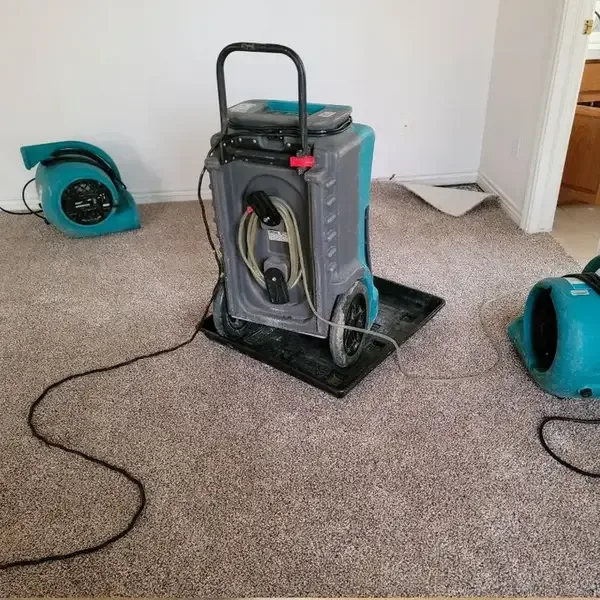
Make the area safer without disturbing wet materials
- 1
Keep people back
Children and pets should stay outside wet rooms, especially where wastewater or unstable ceiling finishes may be present.
- 2
Stop a reachable source
A dry, safely accessible shutoff can limit a supply leak; nobody should cross standing water to reach it.
- 3
Check electrical exposure
Water near outlets, equipment or the service panel needs professional electrical assessment before anyone attempts entry or cleanup.
- 4
Record visible conditions
Photographs from a safe doorway can show water depth, damaged belongings and the source area without moving debris.
- 5
Describe affected spaces
Note which rooms and levels are wet, whether water continues entering and any unusual drain behavior during the event.
Cleanup matched to the source and affected room
Different losses need different decisions. Select the problem below to understand source control, material removal, drying and the practical questions that shape a cleanup estimate.
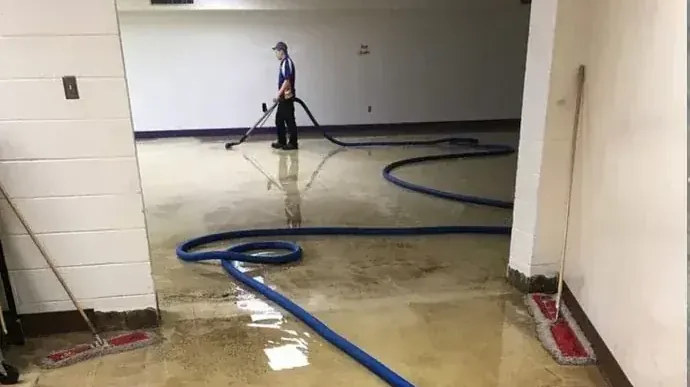 Water ExtractionStanding water removal begins with safe access and follows moisture into floor edges, thresholds and adjoining rooms.
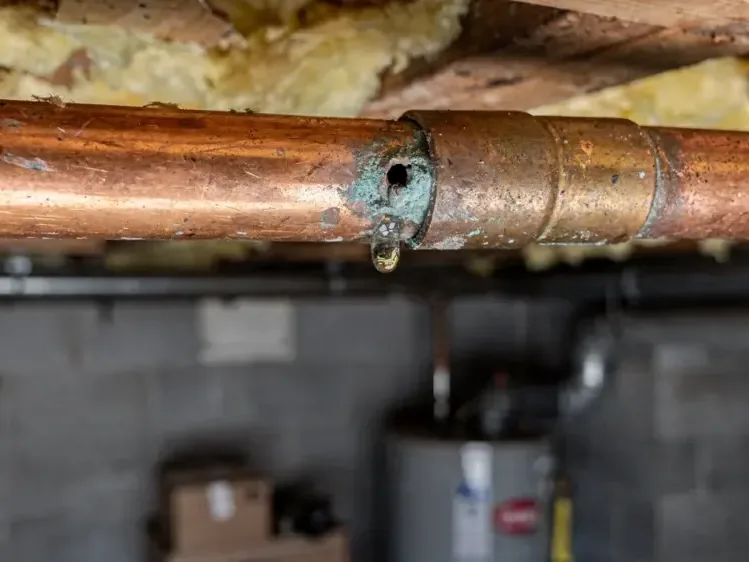 Burst Pipe Water DamageA sudden pipe release can soak several assemblies before discovery. Follow the water beyond the visible break.
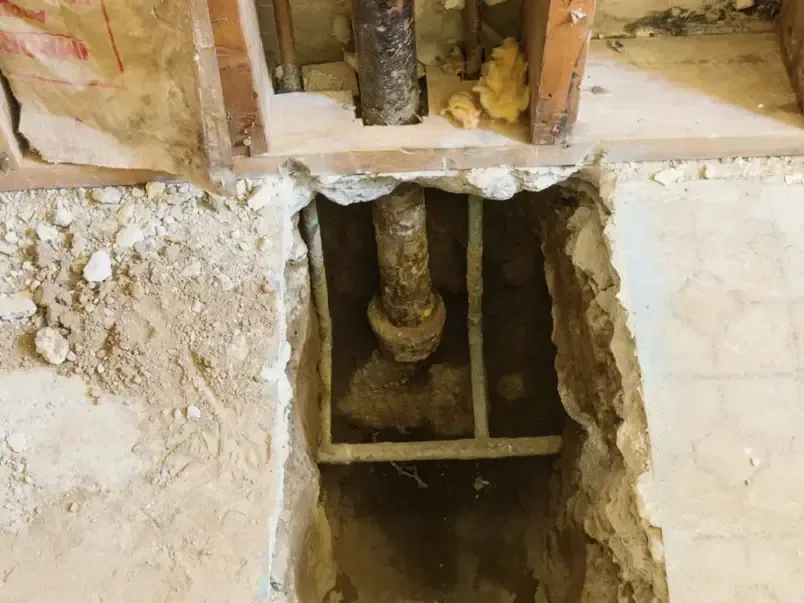 Slab Leak Water DamageDamp flooring over concrete needs leak location and a drying assessment before replacement materials cover the affected surface.
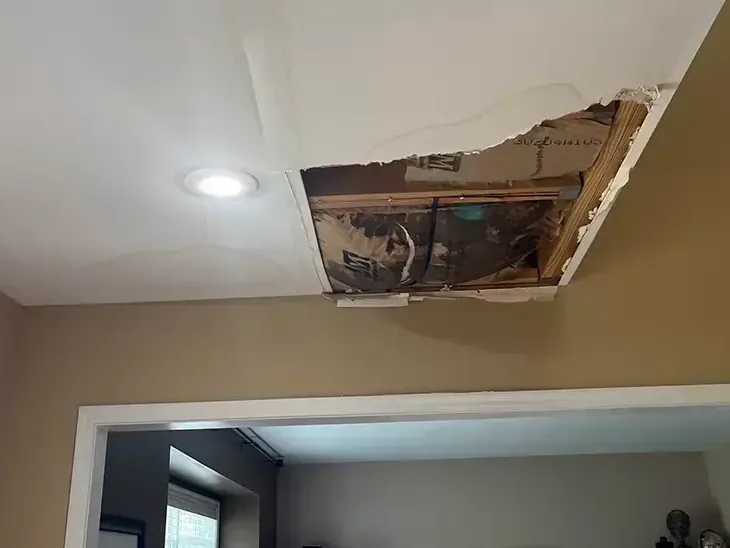 Ceiling Leak Water DamageOverhead staining calls for a source check, safe ceiling assessment and attention to insulation concealed above the finish.
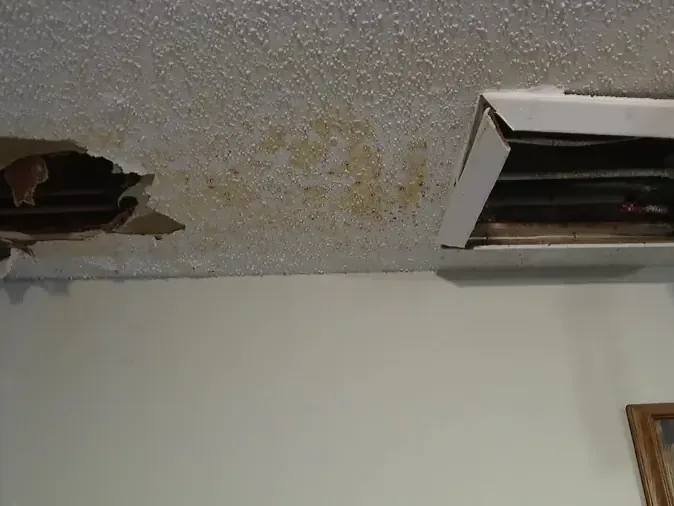 Roof Leak Water DamageRain entering from above requires roof repair coordination alongside interior work on wet decking, insulation and ceiling materials.
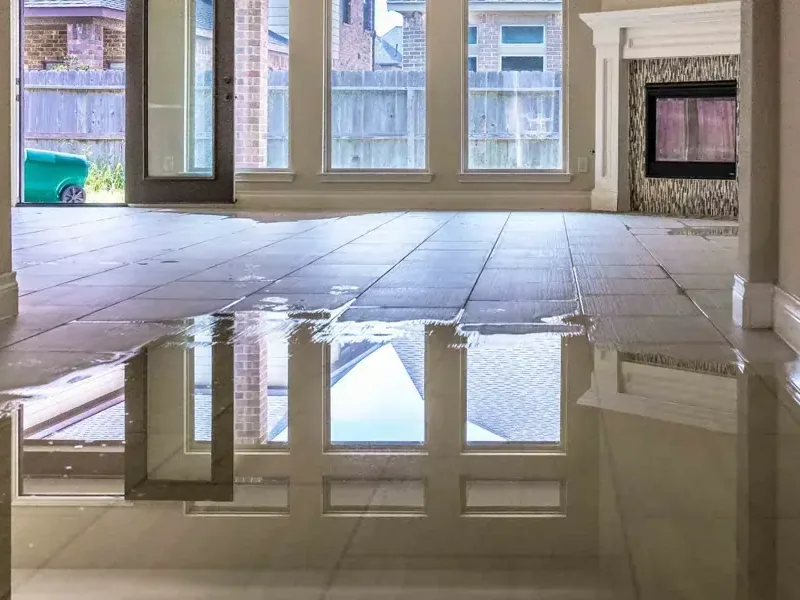 Storm Flood CleanupOutdoor water leaves sediment and contamination behind. Plan access, removal and cleaning before introducing drying equipment indoors.
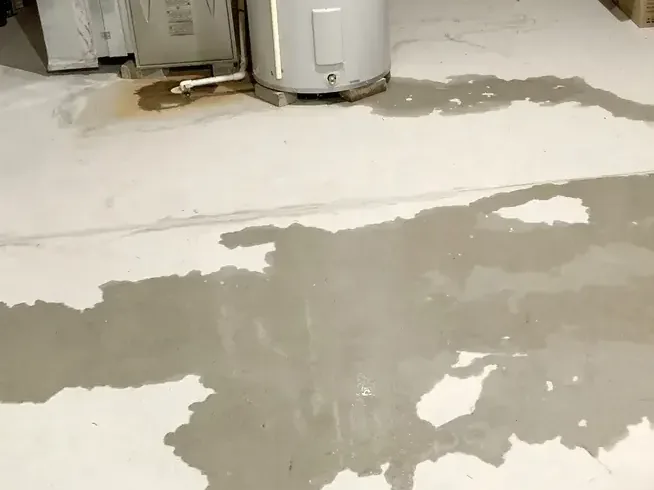 Water Heater Leak CleanupA leaking tank can wet its enclosure and nearby rooms. Equipment safety and floor inspection shape the cleanup.
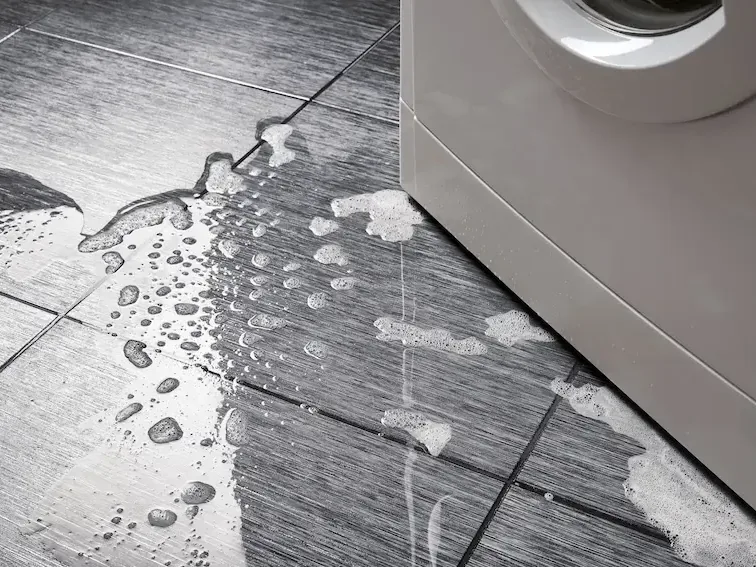 Appliance Leak Water DamageWater beneath a dishwasher or washer can travel under finishes. Inspect concealed edges before accepting a dry surface.
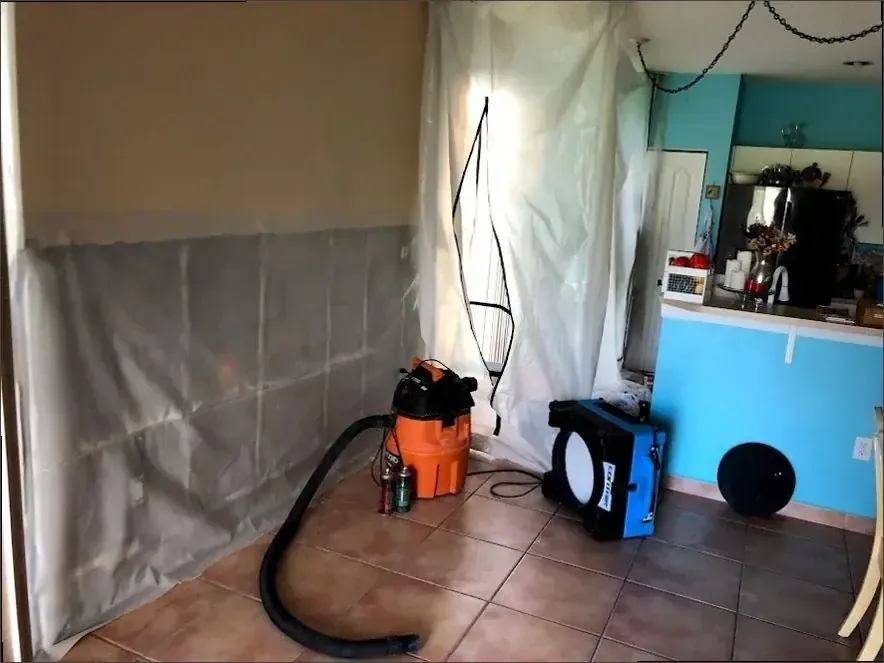 Toilet Overflow CleanupBathroom overflow cleanup separates the plumbing blockage from contaminated materials, with attention to tile joints and flooring underneath.
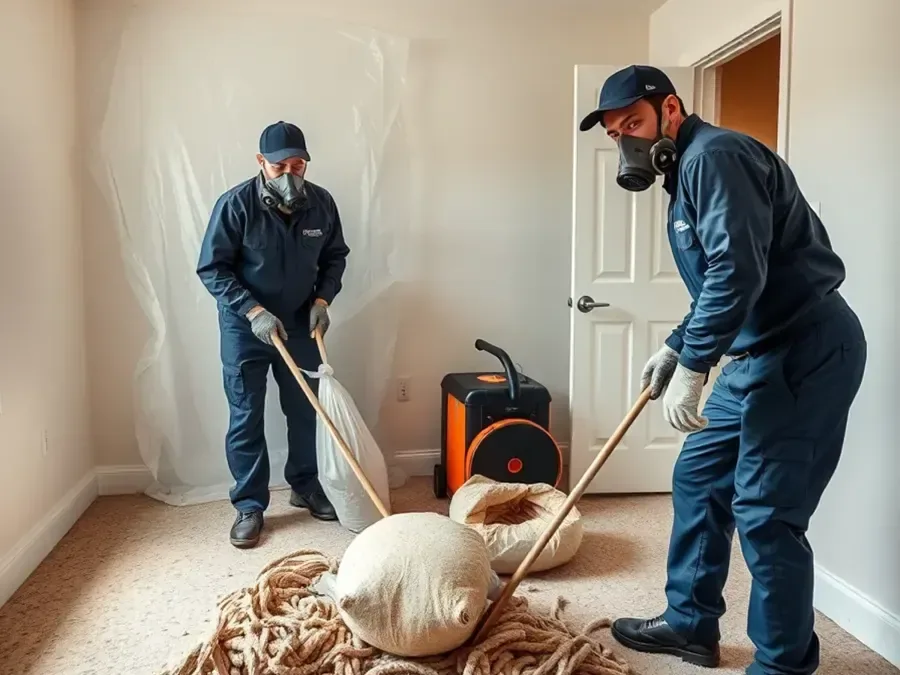 Sewage Backup CleanupA sewer return requires restricted access, source investigation and careful removal of materials that cannot be cleaned effectively.
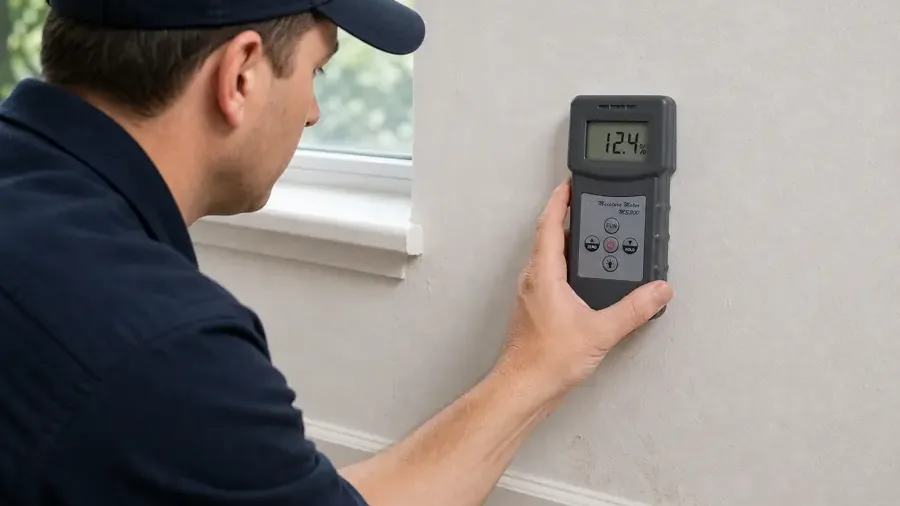
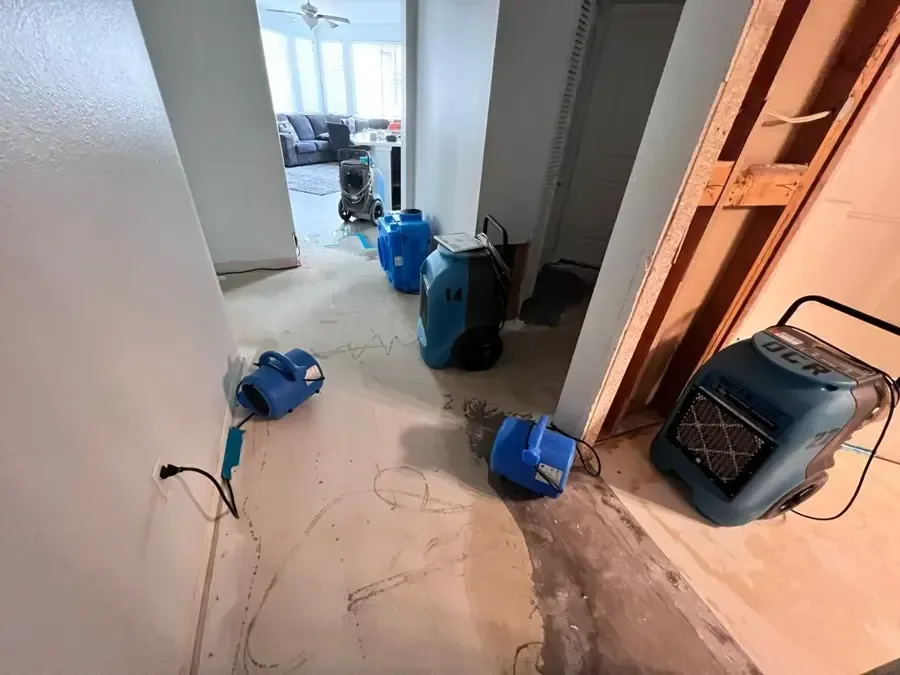 Structural DryingMoisture readings reveal whether framing and floor assemblies are ready for repairs after the visible water is gone.
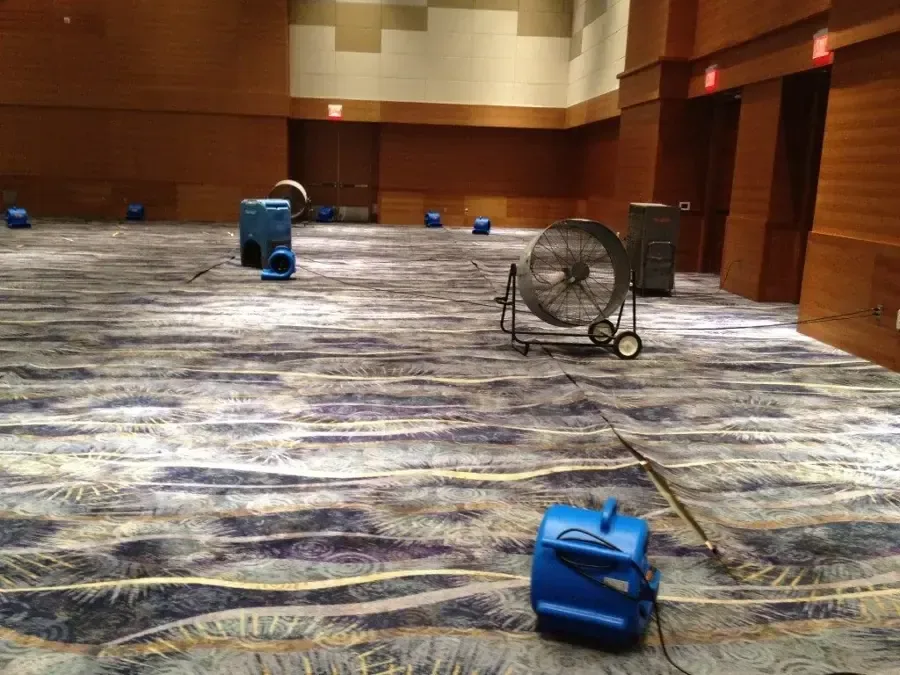 Commercial Water DamageOffice and business losses need controlled work areas, accessible records and coordination around equipment, occupants and repair decisions.
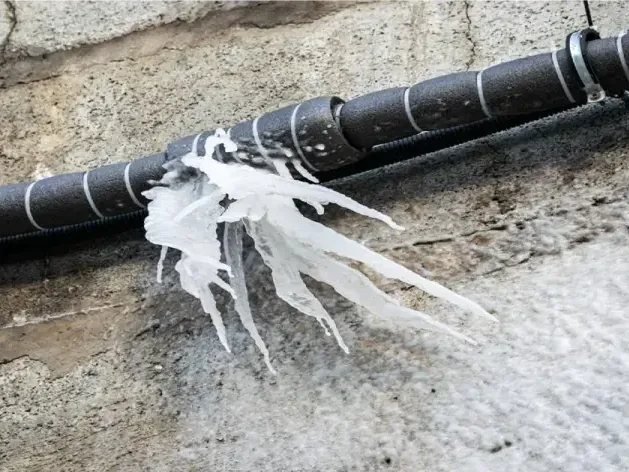 Frozen Pipe Water DamageA thawing pipe may begin leaking unexpectedly. Shutoff access and checks of nearby cavities come before room restoration.
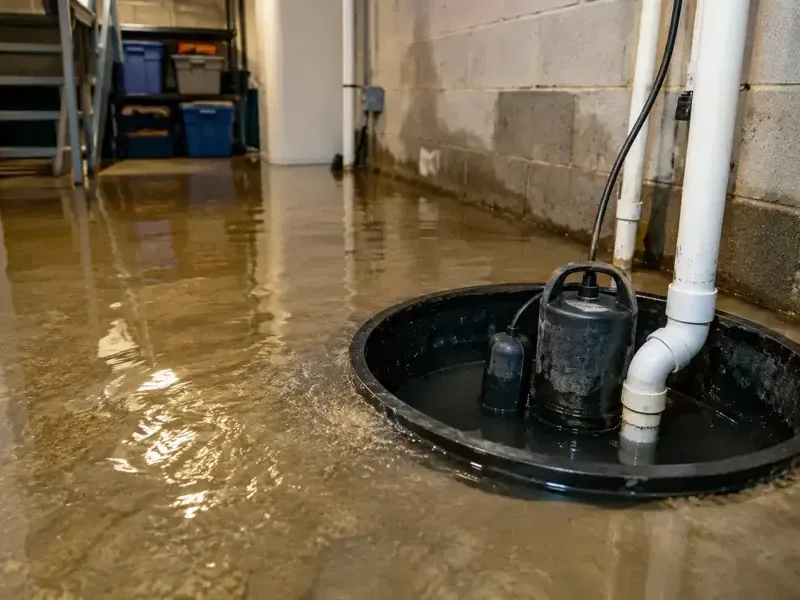 Basement Water RemovalLower level water removal addresses stairs, electrical hazards, stored contents and the route water used to enter indoors.
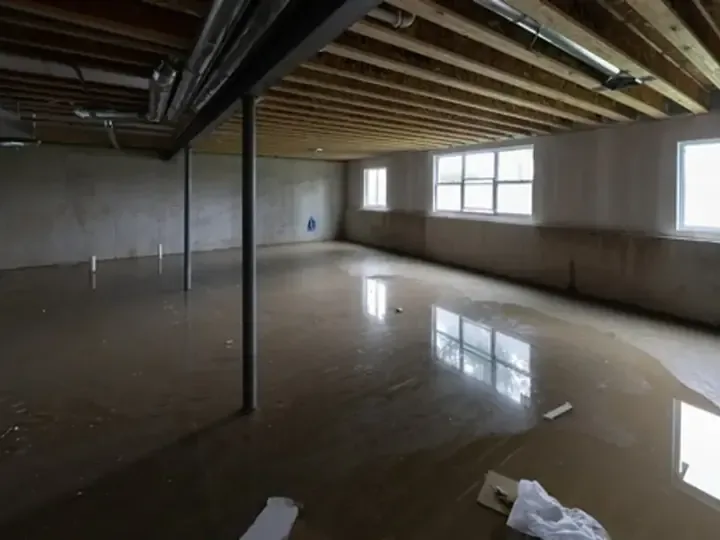 Sump Pump Failure CleanupAn overflowing basin needs both pump troubleshooting and a separate plan for water already spread across the floor.
Decisions follow the moisture inside the building
A useful cleanup plan explains what can remain, what needs removal and how drying will be checked. Each decision should follow the condition of the actual materials inside the affected property.
- 1
Define the loss
The initial inspection follows water from its entry point and records rooms, cavities and contents requiring closer attention before work is selected.
- 2
Remove accessible water
Extraction equipment clears standing water while workers evaluate absorbent finishes, trapped pockets and surfaces that need cleaning before air movement begins.
- 3
Manage the remaining moisture
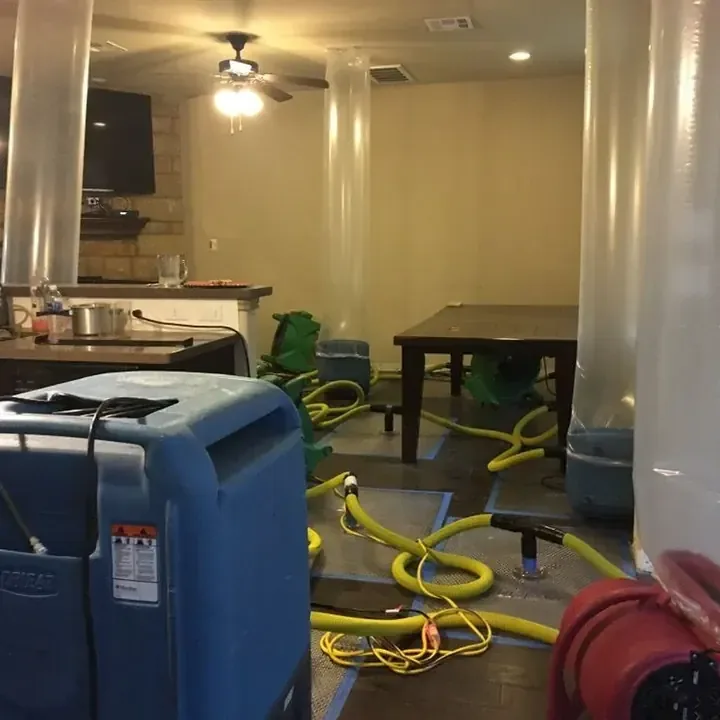
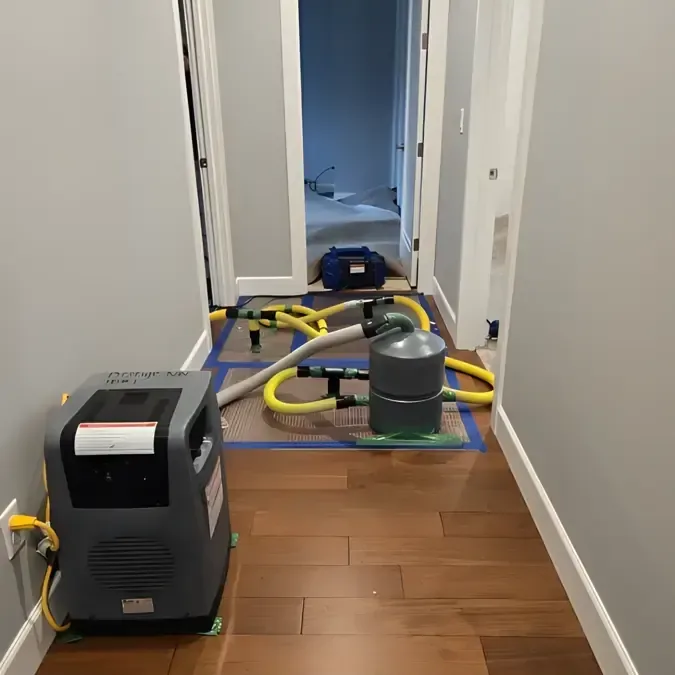
Equipment placement responds to room geometry and wet materials. Followup readings help identify areas that need better access or a changed drying arrangement.
- 4
Prepare for repair
The closing record identifies remaining repair work and moisture results so flooring, wall finishes and trim can be considered in the right sequence.
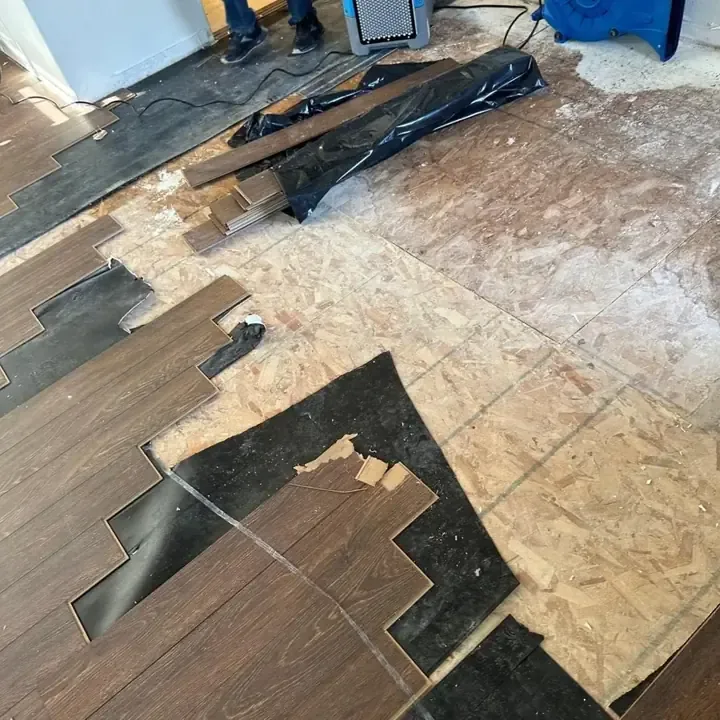
Water condition changes the cleanup approach
Fresh supply release
Water escaping a supply connection starts differently from a drain backup. Its contact with building materials and the time before discovery still affect removal and cleaning decisions.
Follow supply waterUsed appliance water
A dishwasher or washing machine discharge can carry material from the wash cycle. The cleanup needs to consider the water pathway and the finishes it reached.
Inspect the appliance footprintWastewater return
Sewage affects access, protective equipment and material handling. Absorbent items touched by wastewater need a careful removal assessment before the room moves into its drying phase.
Understand sewage handlingWhat affects Conshohocken water damage cleanup costs?
The working estimate depends on the amount of water, affected materials, contamination and access to concealed spaces. A room that appears small can require substantial work when moisture has traveled below flooring or into a ceiling assembly.
These planning ranges describe cleanup scope. Source repairs, replacement finishes and unusual access needs should appear clearly in the written estimate before work decisions are made.
Know what remains wet and why
A clear job record connects the original water pathway to the work performed. Photographs, material notes and moisture readings help property owners understand both the immediate cleanup and the repairs still needed afterward.
When the owner pays directly
A direct payment project still benefits from an itemized scope. The owner can compare removal, cleaning and drying tasks and ask which repairs will require a separate contractor.
Changes discovered behind finishes should be documented before the scope expands. That record helps connect additional work to actual conditions rather than a vague allowance.
Separate cleanup facts from coverage decisions
An insurer makes coverage decisions under the policy. The property record should show the source, visible damage and necessary work clearly enough for a reviewer to follow the loss.
- Photograph affected rooms before safe items are moved
- Retain invoices for urgent source control work
- List damaged belongings with their room locations
- Keep equipment records and material moisture readings
- Request an estimate separating cleanup from reconstruction
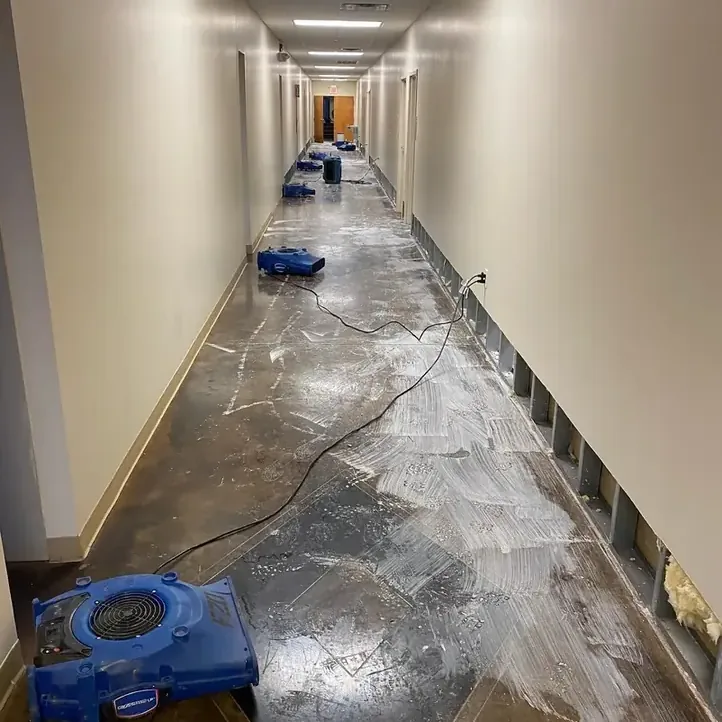
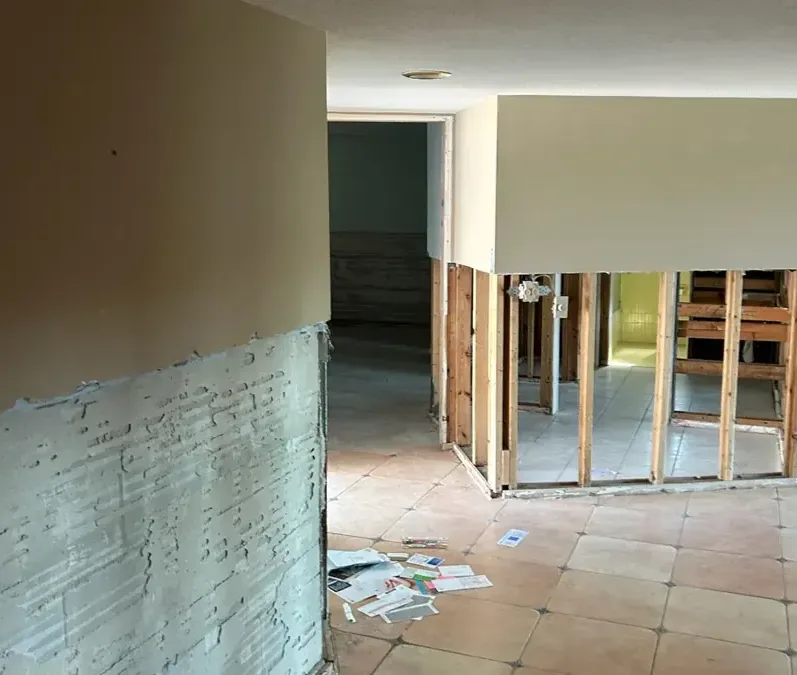
Examples of access, removal and drying equipment
Describe the property and the affected level
The borough sits on the Schuylkill River and includes residential and commercial development. A useful request identifies the building entrance, affected floor and any access restrictions for equipment.
The property contact can also explain whether tenants, management or a separate repair contractor must coordinate access to the wet rooms.
Room level notes
Separate observations for each affected room help prevent a dry doorway from hiding moisture in a closet or under a neighboring floor.
Visible work boundaries
A defined work area makes it easier to protect belongings and explain which spaces remain available during the cleanup process.
Material specific decisions
Solid framing, insulation and finished flooring respond differently to water; the inspection should explain the proposed treatment for each affected assembly.
Clear repair handoff
A written handoff identifies outstanding plumbing or roof repairs alongside the surfaces that will need reconstruction after the drying work ends.
King of Prussia Water Damage Restoration
(888) 557-1733Share the building access detailsConshohocken, PA · [email protected]
River flooding and everyday indoor leaks
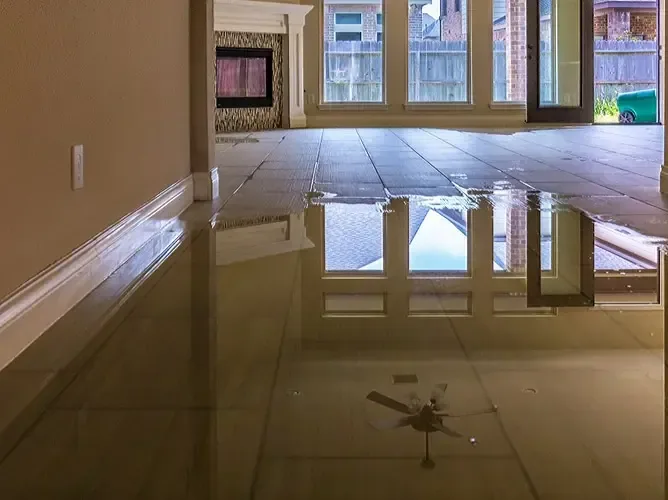
Conshohocken has a documented flood history alongside ordinary building water concerns. The immediate response should follow the source affecting the property, whether that is outdoor water, plumbing or a backed drain.
- Floodwater entry: Water arriving from outdoors can carry sediment through doorways and low openings. Contamination and building access must be assessed before anyone starts moving wet contents or running equipment.
- Sewer obstructions: The Conshohocken Authority identifies grease buildup and roots entering sewer cracks as blockage contributors. Gurgling drains or returning wastewater warrant stopping fixture use and reporting the problem.
- Utility interruptions: A February 11, 2026 main break and sinkhole on West Tenth Avenue interrupted water and gas service. Utility problems require coordination with the appropriate provider before building cleanup.
- Concealed moisture: Water can follow cabinet bases, flooring layers and wall cavities beyond the visible puddle. Material readings help establish where opening, extraction or continued drying is actually needed.
- Roof repair coordination: Licenses & Inspections handles roof related permit matters. Repair scope should be discussed with that department while interior cleanup addresses water already inside the building.
September 2021: Storm Ida caused borough flooding on September 1, 2021. A report the next day described swift floodwater on Washington Street and stranded residents at Londonbury at Millennium and Riverwalk apartment homes.
Arrange cleanup in Conshohocken
Streets and local landmarks
- Fayette Street
- Elm Street
- Washington Street
- West Tenth Avenue
- Sutcliffe Park
- Mary Wood Park
Postal area
Other town pages
King of Prussia, PANorristown, PAAmbler, PACollegeville, PAQuestions after discovering water
The affected room, apparent source and present water level help establish the next practical conversation about access and cleanup.
(888) 557-1733Does a dry surface mean the room is ready?
A floor surface may dry while its backing or the wall base remains wet. Moisture readings and an inspection of adjoining assemblies help decide whether materials can stay. Replacement finishes should wait until the underlying conditions support the planned repair.
What should tenants report to a property manager?
The report should identify the room, discovery time, visible source and any affected neighboring space. Photos taken without entering a hazardous area are useful. Management can coordinate access, source repair and responsibility for building materials while the tenant protects unaffected belongings.
How does a sewer backup change the response?
Wastewater requires a restricted work area and attention to contaminated absorbent materials. The authority advises stopping sinks, dishwashers, showers, toilets and washing machines during a backup. Source investigation and cleanup are separate tasks that both need attention before normal use resumes.
Who investigates the public sewer during a backup?
Authority personnel check the public main after a backup is reported and remove an obstruction found in that main. Clearing a private sewer lateral or inside plumbing obstruction is the property owner's responsibility. A plumber can address the private plumbing portion of the problem.
Can belongings remain inside a room during drying?
Their condition and location determine the answer. Dry items can obstruct access to wet walls or restrict equipment airflow. Contaminated or saturated belongings need separate assessment, and moving them should avoid carrying water or debris through areas that remain clean.
What happens when the leak began above the ceiling?
The room below needs a safety assessment for loose finishes and electrical exposure. The source may require access upstairs or into a roof space. Cleanup then follows the wet insulation, framing and wall paths rather than treating only the visible ceiling stain.
Which details make a cleanup estimate useful?
The estimate should identify affected rooms, proposed material removal, cleaning tasks and the drying approach. Separate entries for source repair and reconstruction make the scope easier to understand. Any newly discovered damage should be photographed and explained before additional work is authorized.
Does the borough ZIP establish the correct jurisdiction?
The listed postal area is 19428. Permit and utility questions should use the property's actual municipality, since West Conshohocken is a separate community across the river. The owner can provide the property details needed to direct repair questions to the appropriate office.
Should fans be placed beside a sewage spill?
Household fans should stay off in a contaminated area until the cleanup approach is established. Air movement can spread material from dirty surfaces. Removal and cleaning come first, followed by a controlled drying arrangement appropriate for the materials left in place.
Turn the visible damage into a clear scope
Describe the source and affected spaces so the cleanup discussion can address safety, access, wet materials and the next repair decisions.