Structural Drying in Conshohocken
A room can feel dry before its building materials are ready for repairs. Structural drying in Conshohocken uses moisture observations to direct equipment, improve access and track the condition of framing, floor layers and concealed assemblies.
(888) 557-1733Discuss the remaining material moisture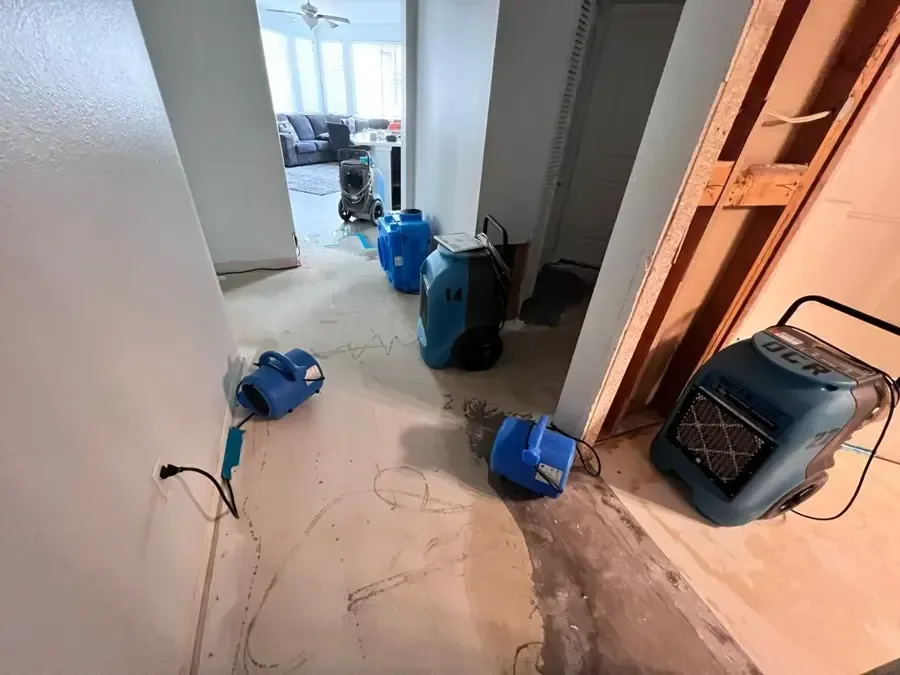
First steps for structural drying
- 1
Confirm preparation is complete
The water source, standing liquid and any contaminated materials need attention before drying begins. Equipment should operate within a prepared area suited to the remaining building surfaces.
- 2
Keep the drying arrangement intact
Moving air equipment or changing room openings can alter the intended conditions. The property contact should coordinate access needs and comfort concerns with the drying plan.
- 3
Identify concealed assemblies
Tell the inspector about floor layers, enclosed storage and inaccessible wall spaces that may hide moisture beyond the visible wet area or initial extraction footprint.
- 4
Retain the progress record
Material observations and equipment notes help explain changes in the work. Keep them with the repair documents so reconstruction decisions follow the actual drying results.
How the team approaches structural drying
Assess the affected assembly
Drying follows source control, liquid removal and necessary cleaning. The work focuses on moisture held within retained materials, using repeated observations to identify slow areas and determine whether access or equipment placement needs to change during the project.
Drying equipment should enter only after the affected area is prepared and safe. Source status, contamination and access to wet materials all shape the arrangement needed for meaningful progress.
(888) 557-1733Describe the materials still wetWhat does structural drying cost in Conshohocken, PA?
Structural drying costs in Conshohocken depend on the retained materials, their accessibility and the complexity of the affected assemblies. A broad open surface differs from dense or concealed layers. The estimate should explain equipment use, monitoring and any additional access needed to address slow drying areas.
Compare the inputs in the water damage cost calculator.
The structural drying process in Conshohocken
- 1
Establish the material baseline
The initial record identifies wet assemblies and measurement locations, giving later visits a basis for comparing conditions and locating parts of the structure needing attention.
- 2
Arrange equipment around the surfaces
Air movement and dehumidification are positioned to support moisture removal from retained materials while accounting for room geometry, access restrictions and the condition of the prepared area.
- 3
Respond to the measured progress
Followup observations identify changing conditions and persistent wet pockets. Adjustments may involve equipment placement, improved access or another source check when progress does not match expectations.
- 4
Document the reconstruction handoff
The final assessment connects material findings to the planned repair, identifying any remaining concerns before flooring, insulation or wall finishes conceal the assembly once again.
Equipment noise is not a measure of drying progress. The useful question is whether the wet materials are changing in the expected direction. A room assessment should identify the assemblies that remain, the surfaces available for evaporation and any covering or cavity that prevents moisture from leaving the structure.
Match the method to the inspected building
The borough describes Conshohocken as a professional center with residential and commercial development. Buildings along Fayette Street, near Elm Street or around Sutcliffe Park can have different interior assemblies. Drying choices should follow the inspected framing, flooring and finishes rather than a general assumption about local construction or the appearance of a neighboring property.
Use readings to locate the slow areas
Extraction of standing water reduces the liquid load before drying begins. Readings then help compare accessible material surfaces and identify pockets that need closer inspection. If a wall base remains wet while the room improves, the next step may involve access behind trim or another source inspection, rather than simply adding more air movement.
- Record measurement locations clearly so later observations can be compared with the original wet areas.
- Check concealed floor layers where a dry top finish may cover a damp backing or substrate.
- Maintain the planned room conditions instead of changing doors, windows or equipment positions without coordination.
Make the repair decision understandable
The closing record should explain material condition and outstanding work, particularly after ceiling cavity damage. Replacement finishes can obstruct further access, so the repair contractor needs the moisture findings before closing an assembly. Drying completion rests on the condition of the retained structure and its repair requirements. A room that smells better or feels warmer still needs those observations to establish whether reconstruction should proceed.
Structural drying in Conshohocken
Conshohocken drying projects benefit from clear access to affected rooms and an available property contact for followup observations. The inspection should identify floor coverings, enclosed cavities and planned reconstruction so material checks can answer the questions that matter before finishes are replaced.
The same service nearby: structural drying in King of Prussia, Norristown, Ambler.
Water damage restoration in Conshohocken · every town covered
Structural Drying questions
Drying equipment should enter only after the affected area is prepared and safe. Source status, contamination and access to wet materials all shape the arrangement needed for meaningful progress.
(888) 557-1733Why can a dry room still contain wet framing?
Room air and material moisture are different conditions. A surface may feel comfortable while a concealed assembly retains water. Readings at relevant locations help determine what remains wet and whether access or equipment changes are needed before repairs.
Can windows stay open while equipment operates?
The drying arrangement depends on controlled room conditions. Opening windows can change the moisture load and affect equipment performance. The property contact should discuss ventilation or comfort needs with the project plan instead of changing the setup independently.
Does more equipment always mean faster completion?
Equipment must match the materials and available evaporation surfaces. A blocked cavity may need access rather than additional machines in the room. Progress observations help determine which adjustment addresses the actual reason an area remains wet during the drying process.
What happens when one spot stops improving?
The inspection should consider trapped layers, restricted airflow and continued leakage. Comparing readings at documented locations helps identify the problem. The response may involve selective access or source investigation before the drying arrangement can address that area effectively.
When can replacement flooring be scheduled?
The substrate condition and installation requirements should inform scheduling. A clean, dry looking surface is only part of the assessment. The repair contractor needs the relevant material findings before applying adhesives or coverings that will restrict further moisture release.
Are moisture records useful after equipment leaves?
They help explain the condition of retained materials at the repair handoff. Together with removal notes and photographs, the record shows what was addressed and what reconstruction remains. The owner can use that information when coordinating the next contractor.
Base the repair decision on material condition
Discuss the assemblies involved and any existing moisture observations so the drying scope can address concealed pockets as well as the open room.