Water Extraction in Conshohocken
The deepest puddle is only the starting point. Water extraction in Conshohocken should follow the spread across thresholds, beneath movable contents and into flooring layers that can remain wet after pumping.
(888) 557-1733Discuss standing water indoors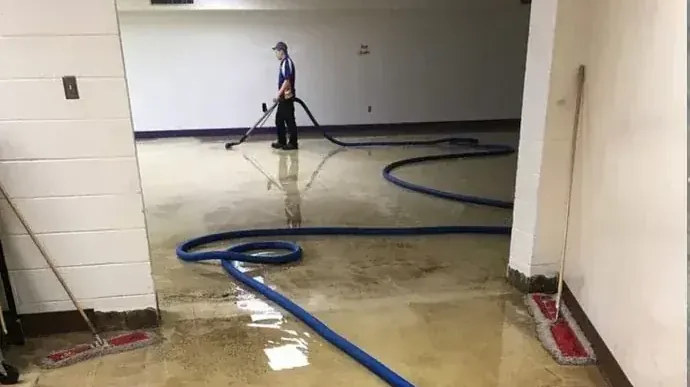
First steps for water extraction
- 1
Stay on dry flooring
Standing water can conceal electrical contact or sharp debris. Entry should wait until the affected space has been assessed for safe access.
- 2
Limit continued inflow
A reachable shutoff may stop a supply release. Outdoor water or a returning drain requires a different source response before removal can hold.
- 3
Clear an equipment route
Uncontaminated belongings outside the wet area can be moved to create access, without carrying saturated items through unaffected rooms.
- 4
Record the footprint
A doorway photograph and a list of connected wet rooms help establish the initial extent before extraction changes the appearance of the floor.
How the team approaches water extraction
Assess the affected assembly
Extraction removes accessible water so the condition of the room becomes clearer. The next decisions concern contaminated finishes, saturated backing and the moisture still held inside materials after surface water disappears.
Standing water beside energized equipment needs a safety assessment before entry. The property contact can describe the room from a dry location and identify whether water is still arriving.
(888) 557-1733Discuss safe extraction accessWhat does water extraction cost in Conshohocken, PA?
Conshohocken extraction estimates depend on access, water depth and the number of connected spaces. Contamination and flooring layers can add removal or cleaning work beyond pumping. The written scope should identify what follows extraction so a cleared floor is not mistaken for a finished restoration.
Compare the inputs in the water damage cost calculator.
The water extraction process in Conshohocken
- 1
Establish removal conditions
The assessment checks the source, water condition and electrical exposure before choosing a pumping or extraction method appropriate to the affected space.
- 2
Work through standing liquid
Removal follows the accessible footprint, with attention to recesses and transitions that can leave pockets after the broad floor area is cleared.
- 3
Inspect newly exposed edges
Once liquid is gone, the inspection focuses on trim, seams and absorbent layers to determine what needs cleaning, removal or closer moisture evaluation.
- 4
Set up the drying handoff
The remaining wet materials and access limitations are documented so equipment placement addresses the building assemblies rather than only the room air.
A room can look dramatically better after extraction while still needing substantial attention. Removing liquid exposes swollen trim, wet seams and pockets beneath furniture. Those findings determine where the work goes next. The equipment choice should match water depth, access and the condition of the affected floor rather than the size of the room alone.
Flood history makes the source question practical
The September 2, 2021 flood report described swift water on Washington Street and stranded residents at Londonbury at Millennium and Riverwalk apartment homes. Water entering from outdoors calls for contamination assessment alongside removal. A plumbing release requires its own source inspection, including whether the supply has actually stopped.
Check where the puddle finishes
- Door thresholds can conceal wet underlayment continuing into the next room even when the visible water stops.
- Cabinet toe spaces can retain water beyond the reach of an extraction wand used across the open floor.
- Carpet backing and cushion need direct assessment because a drier walking surface can hide saturation below.
- Floor outlets and powered appliances require electrical clearance before equipment enters the affected area.
Build the next phase around remaining moisture
Extraction and material drying solve different parts of the loss. Removing liquid reduces the amount that must evaporate, while measured drying addresses water retained in the building. If water came through a lower level opening, the basement removal plan also needs to consider stairs, discharge access and returning water. The completed extraction record should describe areas reached, materials requiring further attention and any inaccessible pockets that could delay repair. Replacing trim over a wet edge would conceal the problem instead of completing the work.
Water extraction in Conshohocken
Extraction requests in Conshohocken can begin with the affected floor, entrance restrictions and water source. Properties near the Schuylkill River Trail or elsewhere in the borough need an inspection that follows their individual room layout and the materials actually touched by water.
The same service nearby: water extraction in King of Prussia, Norristown, Ambler.
Water damage restoration in Conshohocken · every town covered
Water Extraction questions
Standing water beside energized equipment needs a safety assessment before entry. The property contact can describe the room from a dry location and identify whether water is still arriving.
(888) 557-1733Is extraction enough for a small puddle?
Size alone does not determine completion. Water can enter floor seams or cabinet bases from a limited spill. An inspection of the affected materials helps establish whether surface removal resolves the problem or whether concealed moisture needs additional attention.
Can an ordinary wet vacuum handle the loss?
A household device may remove a small amount of clean liquid when electrical conditions are safe. Source inspection and material readings are still needed to assess contamination and concealed saturation after pickup. Larger losses, wastewater and uncertain electrical exposure require a different assessment before equipment is used.
Why inspect the neighboring room?
Water follows openings and floor layers. A dry looking doorway can separate the visible puddle from wet underlayment farther inside. Checking the adjoining space helps define the true removal area and avoids leaving a hidden section untreated.
What if the water keeps returning?
The source needs further control. Pumping can expose the room temporarily, but a continuing supply leak, drain return or outdoor inflow can refill it. Source repair and extraction should be coordinated around the actual pathway into the building.
Will every wet floor need replacement?
The material, contamination and condition after exposure determine that decision. Some assemblies can be dried with suitable access; others trap water or lose integrity. The removal recommendation should identify the affected layer and explain its observed condition.
What belongs in the extraction record?
Useful notes include the original water footprint, connected spaces, materials removed and moisture remaining after extraction. Photographs of edges and concealed areas support the next drying decisions and help the owner understand work that may no longer be visible.
Clear the water and inspect what remains
An extraction scope should connect accessible liquid removal with the wet floor layers, wall edges and nearby rooms that need further attention.