Water Extraction in Ambler
Water spreads through doorways faster than its full path becomes visible. Extraction in Ambler begins with safe access and a source assessment, then follows the wet footprint beneath furniture, floor coverings and room edges.
(888) 557-1733Arrange standing water removal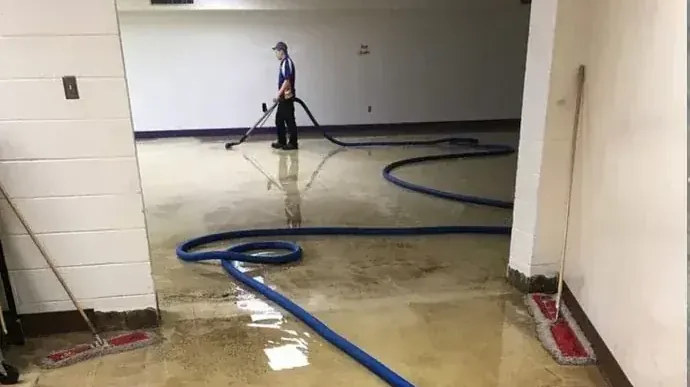
First steps for water extraction
- 1
Keep entry controlled
Avoid crossing standing water to reach equipment or electrical controls. Describe any submerged outlets or unstable flooring before anyone enters the affected space.
- 2
Stop additional inflow
An accessible supply valve may stop an indoor release. Outdoor entry or a rising drain needs a different source assessment before removal begins.
- 3
Save the initial picture
Photograph the visible water edge from dry footing. Note which rooms connect and whether belongings have already been moved out of the way.
- 4
Clear a safe route
Move only dry, manageable objects along a protected path. Leave saturated furniture and uncertain electrical items for assessment with the cleanup team.
How the team approaches water extraction
Assess the affected assembly
Removing the puddle creates access to the damage beneath it. This service addresses standing water, checks adjoining materials and establishes where drying should continue after the accessible floor has been cleared.
Standing water near electrical equipment is a reason to keep the room closed. Avoid testing switches or stepping through the pool to retrieve belongings before the hazard is assessed.
(888) 557-1733Discuss safe water removalWhat does water extraction cost in Ambler, PA?
Water extraction in Ambler may range from $500 to $1,500 for one accessible room to $3,500 to $7,000 for deep or difficult water. Floor layers, contamination and access determine the scope. Drying wet assemblies and repairing the entry source can add separate work.
Compare the inputs in the water damage cost calculator.
The water extraction process in Ambler
- 1
Trace the footprint
The assessment records affected surfaces and asks how water entered. Electrical concerns, water condition and safe equipment placement shape the initial removal method.
- 2
Extract accessible liquid
Removal progresses across the reachable wet area with equipment selected for the floor and water conditions, while dry access paths remain protected.
- 3
Inspect remaining layers
Edges, seams and adjacent wall bases receive attention after the puddle disappears. Concealed dampness is recorded before a drying arrangement is selected.
- 4
Set the drying scope
The remaining moisture map identifies materials needing airflow, dehumidification or controlled access, with a separate description of finishes that cannot remain in place.
A shallow pool can extend underneath a cabinet or into the next room without leaving an obvious trail. Water extraction should therefore follow the edges of the release, rather than stop where the easiest patch of flooring looks dry. The source determines how removed water and affected belongings are handled.
Separate indoor water from outdoor runoff
Ambler's storm sewer conveys runoff to Tannery Run, Stuart Farm Creek and Rose Valley Creek. Those drainage routes make the source question useful during an assessment: did water cross a doorway from outdoors, rise at a drain or escape from indoor plumbing? Outdoor entry calls for contaminated storm cleanup, not simply a different pump setting.
Follow the floor into adjoining spaces
Extraction tools must suit the surface and the access available. Carpet, tile edges and cabinet bases can conceal water in different ways. A technician can map those transitions after accessible water is removed, checking where flooring changes and where walls interrupt the visible flow.
- Record the initial water edge before furniture is shifted or extraction changes the appearance of the room.
- Check beneath removable coverings when conditions allow safe access to the layers below the finished surface.
- Protect dry routes so hoses, wet belongings and removed materials do not spread the loss into occupied space.
- Identify areas that remain damp after removal and include them in the next equipment arrangement.
Make removal lead into drying
A clear floor is the beginning of the drying assessment. Structural moisture control addresses damp materials that extraction cannot remove as liquid. Comparing affected assemblies with suitable dry references helps determine whether a wall base needs opening, whether flooring can stay and where air movement will reach the remaining moisture. Keep that plan separate from repairs to the original water source.
Water extraction in Ambler
Service planning for Ambler properties starts with the affected floor and a safe approach to it. Describe stairs, room connections and any obstacles to removal equipment, along with the observed water source and whether dry areas remain occupied.
The same service nearby: water extraction in King of Prussia, Lansdale, Norristown.
Water Extraction questions
Standing water near electrical equipment is a reason to keep the room closed. Avoid testing switches or stepping through the pool to retrieve belongings before the hazard is assessed.
(888) 557-1733Does extraction remove moisture inside the floor?
It removes accessible liquid, but damp underlayment or a wet subfloor may need additional access and drying. Measurements at floor transitions help identify what remains after the visible water disappears and prevent premature replacement of surface finishes.
Can clear water still need special handling?
Appearance does not settle water condition. The source, surfaces contacted and time spent in the building matter. Explain whether the release came from a supply pipe, an appliance, a drain or outdoor runoff before removal is planned.
Should carpet be lifted before help arrives?
Avoid lifting saturated carpet when electrical safety or contamination is uncertain. Moving it can expose sharp fastening strips and spread dirty water. Keep the room restricted and describe the floor covering so the assessment can include its underlying layers.
What if water returns during removal?
Recurring water means the source needs further attention. Extraction may limit the spread while that issue is addressed, but the drying plan depends on controlling continued entry. Record where the new water appears and whether its flow changes.
Are stored belongings included in the assessment?
Wet possessions affect access and may hold water against the floor. The assessment should separate dry items, potentially recoverable contents and materials needing disposal. Photograph their condition before relocation whenever a safe view is available from outside the wet area.
When can the room receive new flooring?
New flooring should wait until the underlying materials meet suitable drying conditions and the source has been corrected. A clean looking surface alone is insufficient. Ask for the moisture findings and any remaining access needs before scheduling installation.
Clear the floor and locate remaining dampness
Share the affected rooms, surface types and whether water continues entering so extraction can be planned around the actual conditions.