Water Extraction in Lansdale
The first visible pool is only the starting point. Extraction needs to reach the water held along room edges and beneath movable contents, then identify the moisture that pumping alone leaves inside floor assemblies.
(888) 557-1733Discuss standing water removal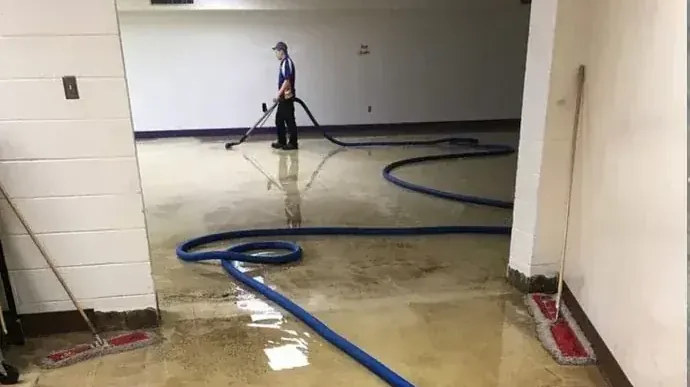
First steps for water extraction
- 1
Describe depth and access
Report whether water covers a small surface or blocks entry, and identify stairs, tight passages or contents that may restrict equipment movement.
- 2
Separate unsafe areas
Keep traffic away from wet electrical equipment and uncertain water sources. Assessment should establish safe working access before extraction starts inside the room.
- 3
Identify the continuing source
Explain whether a valve has been closed or water is still entering. Removing liquid while the room refills cannot resolve the affected footprint.
- 4
Preserve the initial condition
Capture accessible photographs and note which possessions were wet before moving them. Keep contaminated items separate from dry household belongings during the project.
How the team approaches water extraction
Assess the affected assembly
Water extraction removes accumulated liquid from affected interiors. The work can involve pumps, surface extraction and targeted checks around flooring transitions before a separate drying plan addresses retained moisture in building materials.
Standing water around electrical equipment or an unknown contaminated source needs restricted access. Keep occupants outside the affected area until a safe approach has been established for assessment and removal.
(888) 557-1733Discuss the pooled waterWhat does water extraction cost in Lansdale, PA?
Water extraction costs in Lansdale depend on depth, access and how much liquid is trapped beyond the open floor. The estimate should distinguish accessible removal from additional cleaning, selective material removal and drying. Several connected wet rooms generally require more handling and moisture checks than an isolated puddle.
Compare the inputs in the water damage cost calculator.
The water extraction process in Lansdale
- 1
Inspect the water footprint
The assessment identifies the entry source, water condition and areas holding liquid, then establishes an equipment route that avoids spreading water through unaffected rooms.
- 2
Remove accumulated liquid
Pumps or extraction tools remove accessible water in stages appropriate to the space, with attention to pockets behind contents and around floor edges.
- 3
Recheck concealed boundaries
Moisture checks extend beyond the cleared surface to locate wet padding, wall bases and adjoining assemblies that need access or additional treatment after extraction.
- 4
Set the drying handoff
The remaining materials are documented and a drying scope is proposed, including any areas that require cleaning or opening before moisture can be removed.
Near downtown Lansdale station, a request for water removal should describe the affected floor and the route into the room. The station area gives a useful location reference, while the depth, water condition and accessible surfaces determine how extraction can proceed inside the property.
Start with the room's lowest wet areas
Water collects where the floor allows it to settle. A broad shallow puddle and a deeper enclosed space can require different equipment, even when both began with the same type of leak. Before removal, the inspection checks electrical hazards, loose finishes and any continuing source that would refill the area.
Properties around Railroad Plaza and Broad Street should be described by their own affected materials. Carpet, hard flooring and contents create different access problems. An extraction pass across the center of a room may leave liquid beneath furniture bases or inside floor transitions, so the removal plan must address those boundaries.
What extraction should uncover
- Edges where liquid disappears beneath attached flooring or under a wall separating two rooms.
- Absorbent padding that continues releasing water after the visible surface has been extracted.
- Storage items restricting access to low points where deeper water has collected.
- Changes in water condition that require cleaning or material removal before drying equipment operates.
- Neighboring areas that feel dry but register elevated moisture during the assessment.
Turn removal into a complete moisture plan
After accessible liquid is removed, material drying addresses what remains within walls and floors. A lower level with wider accumulation may also need basement water removal. The closing extraction notes should identify inaccessible pockets and retained wet materials so the next stage starts with a usable moisture map rather than an assumption that an empty floor is dry.
Water extraction in Lansdale
Extraction requests in the borough can use Main Street as an access reference. Describe the affected floor, the safest entrance and whether standing water prevents entry. Property details and the water's condition shape the removal plan more than the nearby landmark does.
The same service nearby: water extraction in King of Prussia, Ambler, Norristown.
Water Extraction questions
Standing water around electrical equipment or an unknown contaminated source needs restricted access. Keep occupants outside the affected area until a safe approach has been established for assessment and removal.
(888) 557-1733Is extraction the same as drying a floor?
Extraction removes liquid that equipment can physically collect. Drying deals with moisture retained inside materials after that removal. A floor may no longer have puddles while its padding, wood layers or adjoining wall bases still need a monitored drying period.
Can household towels handle a larger release?
Towels can absorb a small accessible spill, but they cannot show how far water traveled under finishes. When liquid spreads into several areas or keeps returning, the inspection needs to identify the source and the material layers beyond the visible surface.
Why does water return after the first pass?
Liquid may drain from padding, furniture bases or a connected low area after the surface is cleared. An active source can also refill the room. Rechecking these possibilities helps distinguish delayed release from materials from a continuing plumbing or drainage problem.
Will furniture need to leave the room?
Some items may need relocation so equipment can reach the floor beneath them. The decision depends on the contents, water condition and available clean storage. Wet or contaminated possessions should be handled in a way that prevents additional damage elsewhere.
What if the water came from outdoors?
Outside water requires consideration of the debris and contamination it carries. The removal scope may include cleaning and disposal decisions for absorbent materials. Equipment use should follow that assessment instead of immediately circulating air across an untreated affected room.
What should the estimate explain before work starts?
It should identify the areas to be extracted, access limitations and the proposed followup drying or cleaning. If concealed water changes the scope, the added work should be explained so authorization reflects the actual wet materials discovered during removal.
Make the next removal step clear
Describe the room layout, depth and continuing source so the assessment can focus on safe access and the remaining wet materials.