Water Extraction in Norristown
Pooled water hides the floor beneath it and keeps feeding moisture into nearby materials. Extraction in Norristown starts with safe access, then follows the wet boundary beyond the most obvious puddle in the room.
(888) 557-1733Discuss standing water removal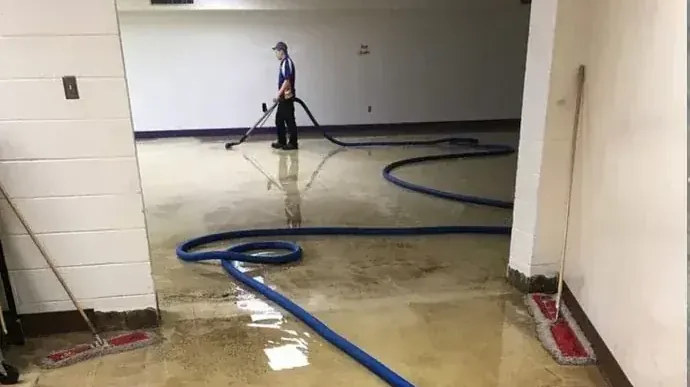
First steps for water extraction
- 1
Stay on dry flooring
Avoid entering pooled water near outlets, appliances or submerged controls. Describe these hazards when arranging an assessment of the affected room.
- 2
Identify continuing entry
Explain whether the source has stopped and whether the puddle returns after removal. Continuing inflow changes the equipment and source repair needs.
- 3
Document items in place
Photograph affected furniture bases and storage from a safe position before items are moved, preserving a useful record of the original water boundary.
- 4
Prepare a clear entrance
Keep the dry approach accessible for equipment while leaving saturated contents in the affected area until their handling has been discussed.
How the team approaches water extraction
Assess the affected assembly
Water extraction removes recoverable liquid from floors, carpet and accessible recesses. The work creates access for a closer inspection of wet assemblies, belongings and the moisture that remains after the visible water is gone.
Standing water near energized equipment needs a safety assessment before entry. Keep occupants outside the wet area and describe the depth and visible hazards when discussing removal.
(888) 557-1733Describe the pooled waterWhat does water extraction cost in Norristown, PA?
Water extraction costs in Norristown depend on depth, floor access and the condition of the water. Equipment needs also change when contents obstruct the work or liquid is trapped under coverings. The estimate should distinguish accessible removal from the drying and repairs that follow.
Compare the inputs in the water damage cost calculator.
The water extraction process in Norristown
- 1
Assess the liquid footprint
A room assessment identifies the water source, visible depth, possible contamination and surfaces requiring recovery before extraction equipment is selected and positioned.
- 2
Remove accessible standing water
Recovery proceeds across the affected area with attention to doorways, floor depressions and furniture edges that can retain liquid after the center clears.
- 3
Inspect exposed materials
The cleared floor allows closer checks of coverings, baseboards and adjacent spaces, with wet layers recorded for the next drying or removal decision.
- 4
Define the remaining work
The handoff explains which materials still contain moisture, where further access is needed and how follow up readings will track drying after extraction.
A cleared floor is the beginning of the inspection, not its conclusion. The August 28, 2011 flood report described basement flooding on East Lafayette Street. When lower rooms hold water, extraction must account for the contents, utilities and finishes that were submerged alongside the open floor.
Locate every pocket of recoverable water
Water can collect beneath furniture, in floor depressions or behind a doorway after the central room has been pumped. An extraction assessment checks these separate pockets and the edges of absorbent finishes. A carpet surface that looks flatter may still hold moisture in its pad.
The Schuylkill River and Stony Creek are part of the borough's water setting. During a cleanup request, the actual entry source matters: outdoor floodwater needs different handling from a recently stopped supply leak. Report visible sediment, drain involvement and any water that continues entering the room.
Match removal to the surface
- Accessible hard flooring permits direct recovery, followed by inspection of joints where water may have entered underlying layers.
- Carpet extraction requires decisions about the pad and contamination before the covering can remain in the drying plan.
- Water around stored boxes requires separate handling so moving contents does not spread wet debris into dry rooms.
- Concealed pockets need an access decision before equipment can reach the water trapped beyond the visible floor.
Give residual dampness its own scope
The extraction record should identify areas cleared and materials still wet. Structural moisture tracking addresses those remaining assemblies. For water occupying a lower room, basement removal planning also considers access and utilities. The homeowner should receive a clear explanation of what extraction accomplished and which follow up work is needed before flooring or trim is restored.
Water extraction in Norristown
Extraction requests across West End, North End and Downtown should describe the room entrance, affected floor and standing water conditions. Mention stairs or contents that limit access so the assessment can consider how recovery equipment will reach the wet area.
The same service nearby: water extraction in King of Prussia, Conshohocken, Ambler.
Water Extraction questions
Standing water near energized equipment needs a safety assessment before entry. Keep occupants outside the wet area and describe the depth and visible hazards when discussing removal.
(888) 557-1733Can a household vacuum remove the water?
A household vacuum is unsuitable for standing water. Electrical exposure and contaminated liquid add hazards. A professional assessment considers depth, power safety and the surface before selecting extraction equipment, especially where water has reached appliances or nearby outlets.
Why is the carpet still damp after extraction?
Extraction removes recoverable liquid but does not draw every trace of moisture from the assembly. Carpet backing, pad and subfloor can remain wet. Their condition and the water source determine whether they can be dried in place or require removal.
Does clear water always mean a simple cleanup?
Clear-looking water still needs a source assessment before the crew chooses the cleanup method. The source, contact with dirty materials and time in the building all matter. Mention any drain backup or outdoor entry even when the remaining puddle looks relatively clear from the doorway.
What if water returns after pumping?
Returning water suggests that entry or drainage remains active. The source needs attention alongside extraction so the work does not simply repeat. A plumber or other appropriate trade may need to address the cause before the remaining materials can dry effectively.
Will equipment scratch a finished floor?
Floor condition and access should be considered before tools or hoses are moved through the room. The plan can identify vulnerable finishes and existing damage. Moisture underneath the finish is evaluated separately because that hidden condition may affect whether the flooring remains.
What records show the removal was completed?
Photos of the cleared area and notes about remaining wet materials explain the extraction result. Moisture readings support the next stage. A useful closeout separates liquid recovery from drying so the homeowner can see what work is complete and what still remains.
Make the floor accessible for inspection
Arrange an extraction assessment focused on the water source, removal access and the materials that will need attention after the puddle clears.