Water Damage Restoration in Norristown
A wet room needs more than a cleared floor. Norristown property owners can arrange water removal, trace moisture behind finishes, and plan the cleanup around the source, affected materials and safe access.
(888) 557-1733Discuss the wet roomsA stopped leak still leaves moisture inside flooring and walls. The next step is checking how far that water traveled.
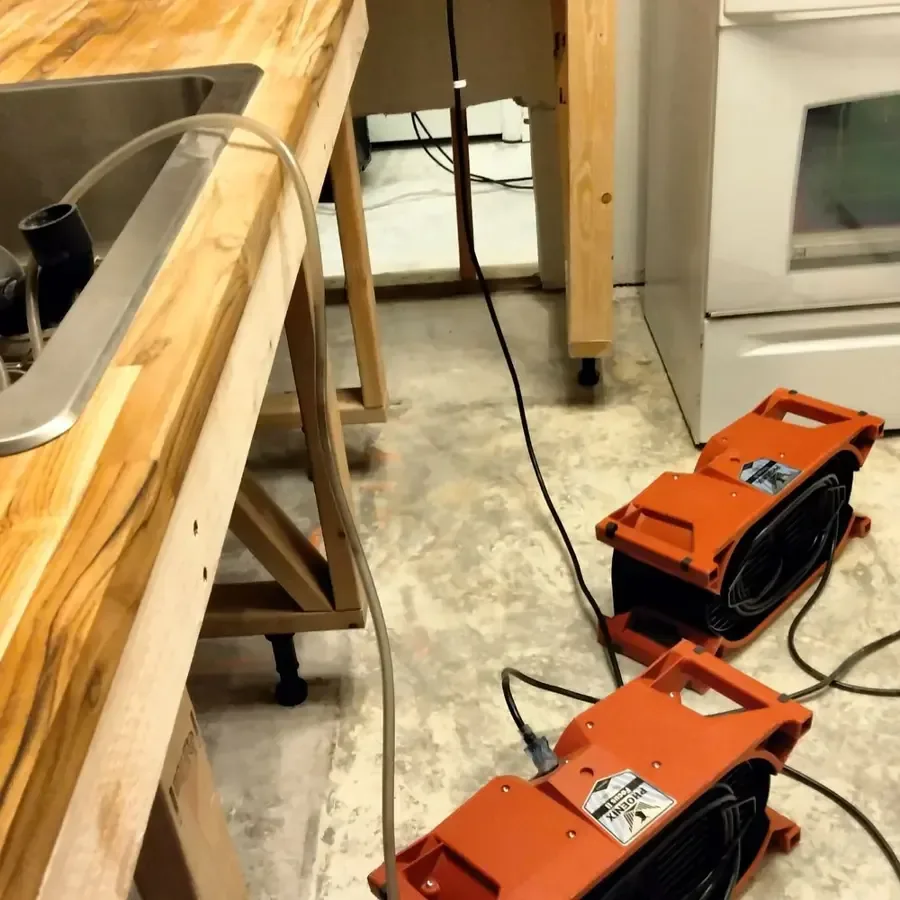
Make the wet area safer to assess
- 1
Keep people outside
Restrict entry when water reaches electrical equipment, sewage is present or ceiling materials appear swollen, cracked or unstable.
- 2
Stop accessible supply water
Close a reachable shutoff only from a dry position. Leave submerged controls and equipment untouched until professionally assessed.
- 3
Record the visible spread
Photograph the room from its dry entrance, including affected contents, wet boundaries and the suspected point of entry.
- 4
Separate the repair needs
Explain whether a plumber, roofer or utility has already addressed the source so cleanup can follow the current conditions.
- 5
Describe hidden access
Mention finished walls, floor coverings and adjoining rooms that might conceal water beyond the area visible from the doorway.
Choose the service by where water began
A broken supply pipe, backed up drain and flooded basement need different handling. These service pages explain the work involved and the questions that shape each cleanup.
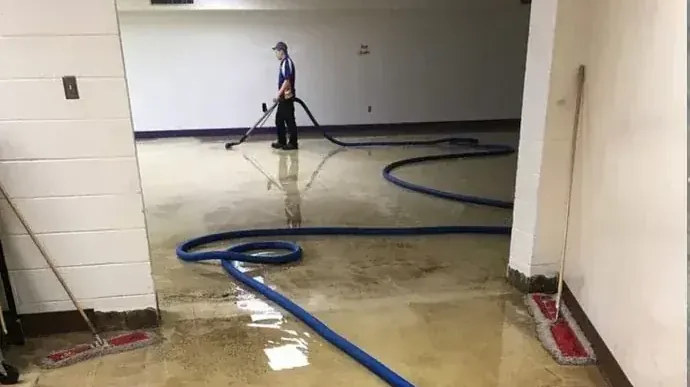 Water ExtractionStanding water blocks access and soaks belongings. Extraction opens the room for inspection of the surfaces beneath the puddle.
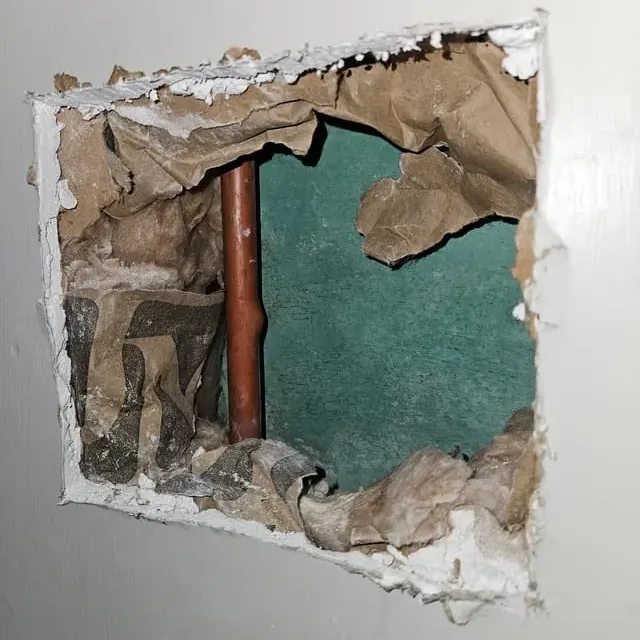
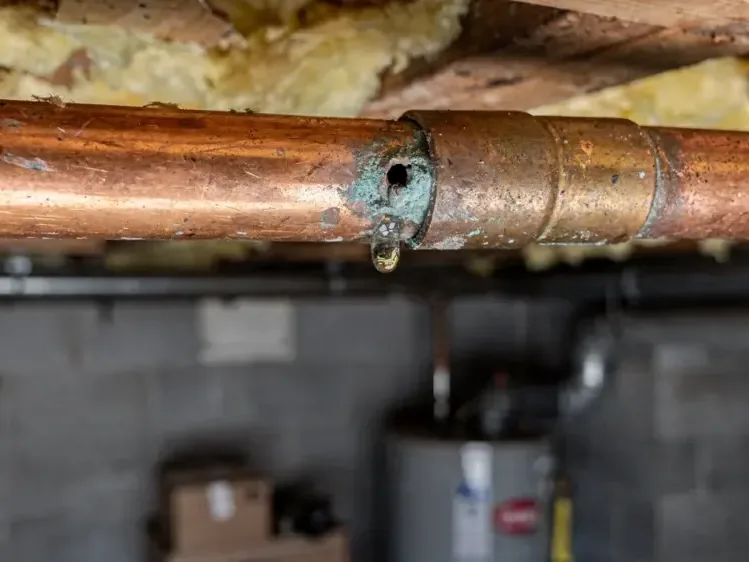 Burst Pipe Water DamageA sudden pipe break can wet adjoining rooms. Follow the release through wall openings before deciding what needs removal.
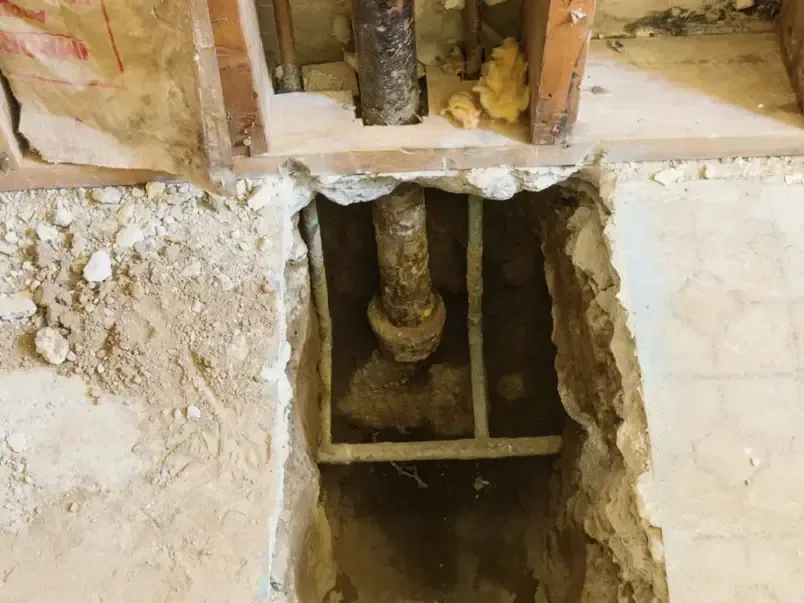 Slab Leak Water DamageMoisture below a finished floor requires source tracing. Separate the plumbing repair from drying the affected floor assembly.
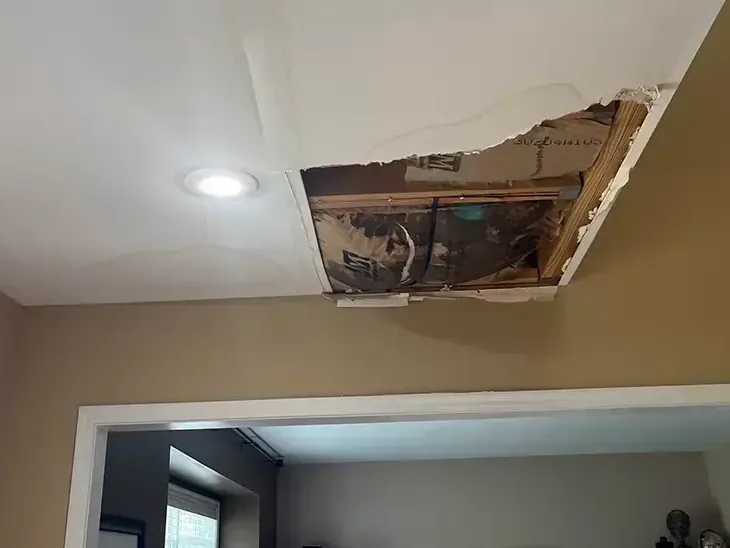 Ceiling Leak Water DamageAn overhead stain can conceal wet insulation. Check the cavity and protect the room beneath unstable ceiling material.
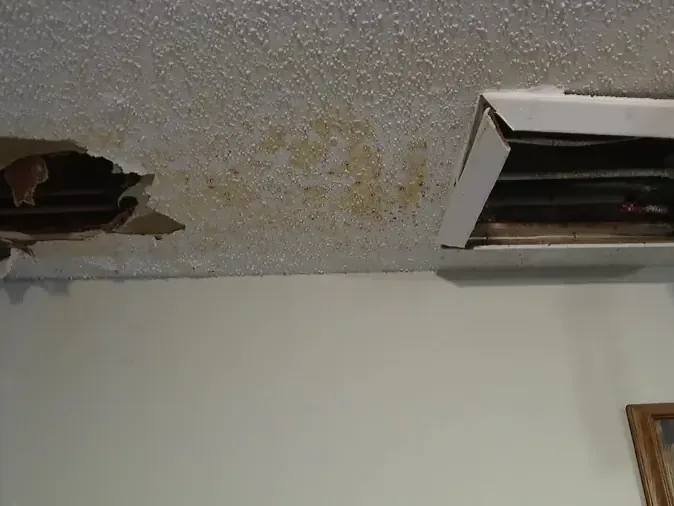 Roof Leak Water DamageRoof entry can leave attic materials saturated. Coordinate the exterior repair with careful inspection of the interior water path.
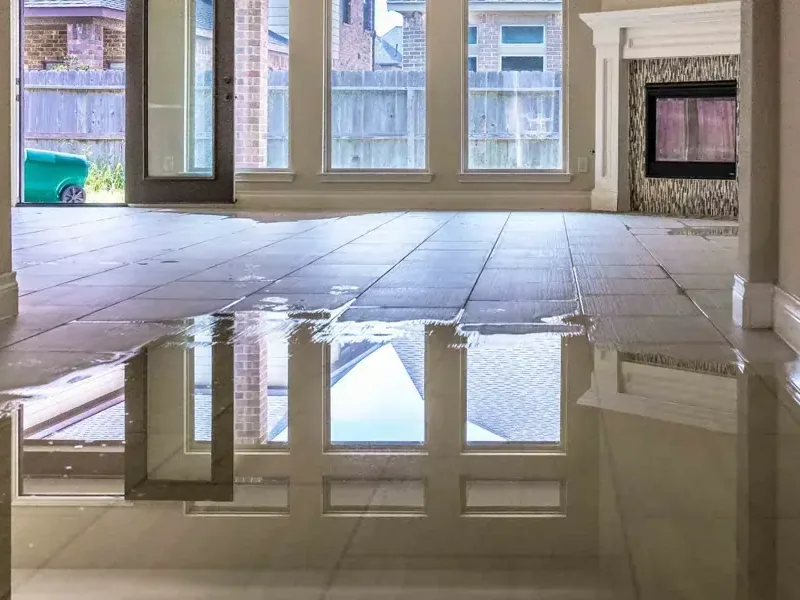 Storm Flood CleanupOutdoor water carries soil into living spaces. Plan debris handling, washing and drying around the extent of contamination.
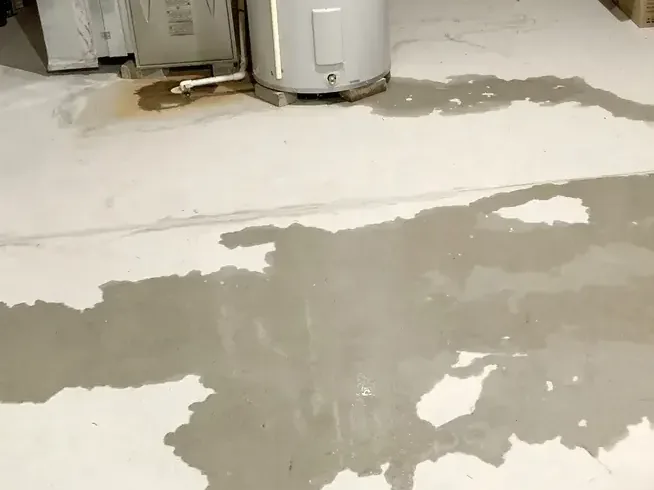 Water Heater Leak CleanupA leaking tank may soak its enclosure and adjoining floor. Isolate the equipment before the drying work begins.
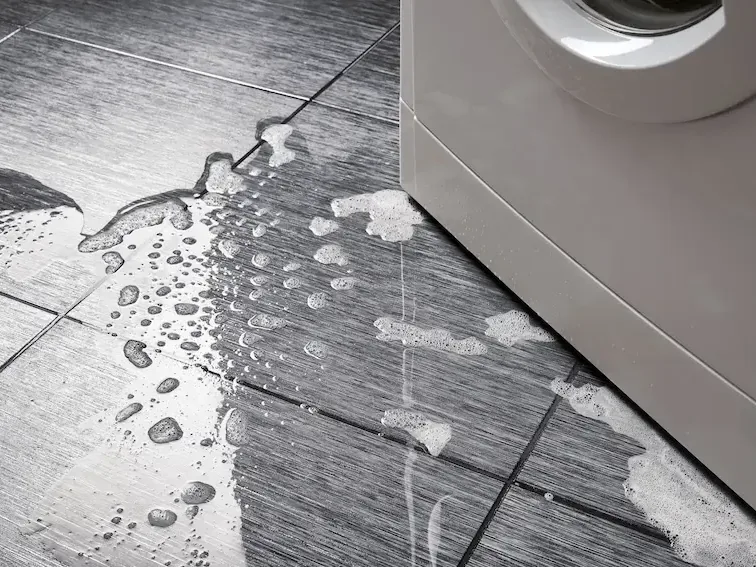 Appliance Leak Water DamageWater beneath a washer or dishwasher can hide under cabinets. Check the connections and finishes around the appliance.
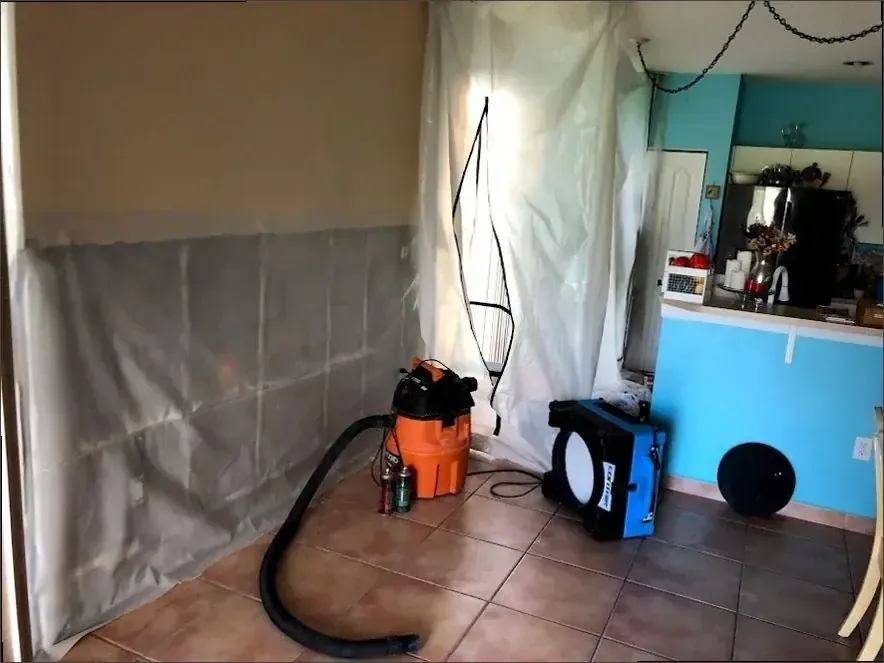 Toilet Overflow CleanupOverflow reaches seams beside the fixture. Keep the bathroom isolated while the blockage and affected surfaces are assessed.
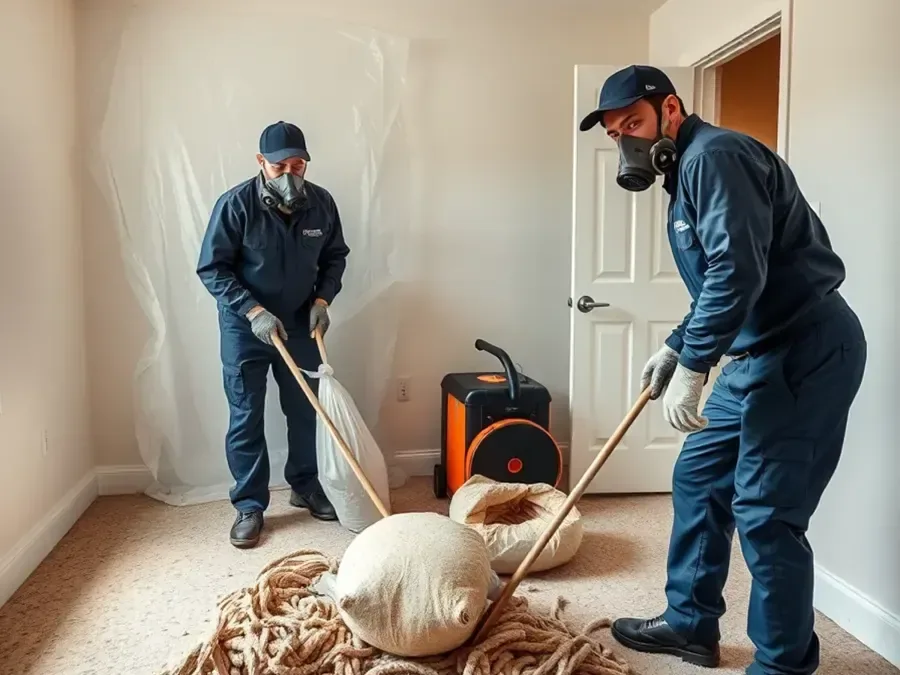 Sewage Backup CleanupReturning wastewater requires controlled removal. Resolve the drain problem and separate contaminated belongings from items outside the spill.
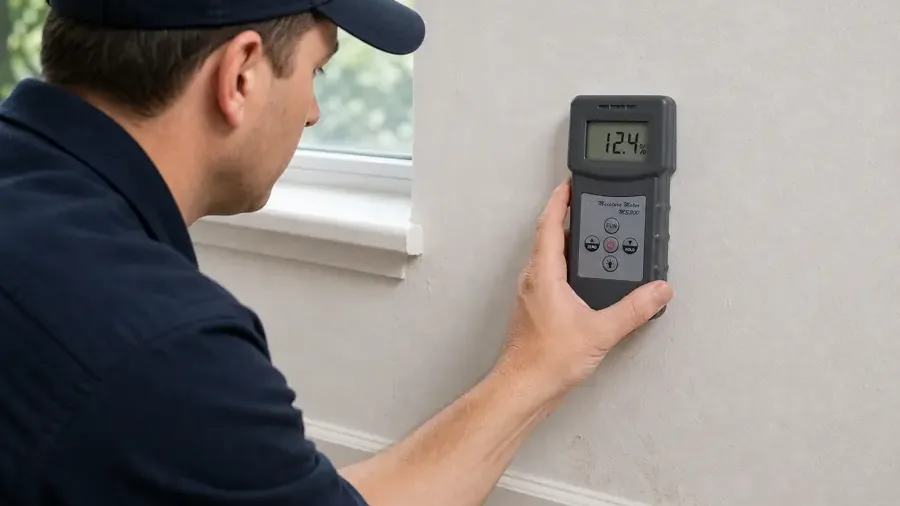
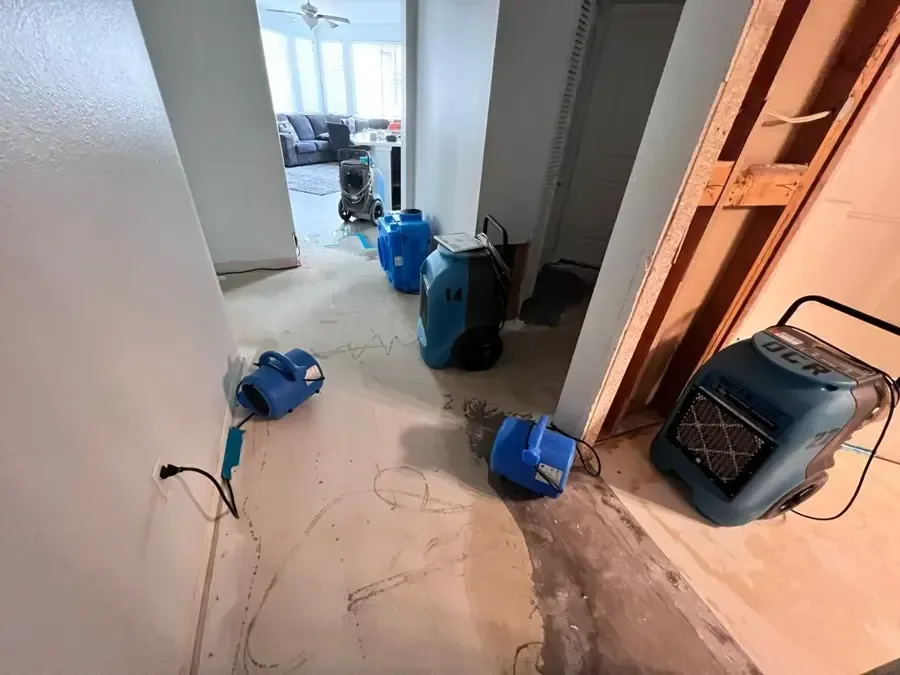 Structural DryingDry surfaces can conceal damp layers. Moisture measurements determine equipment placement and whether enclosed materials need better access.
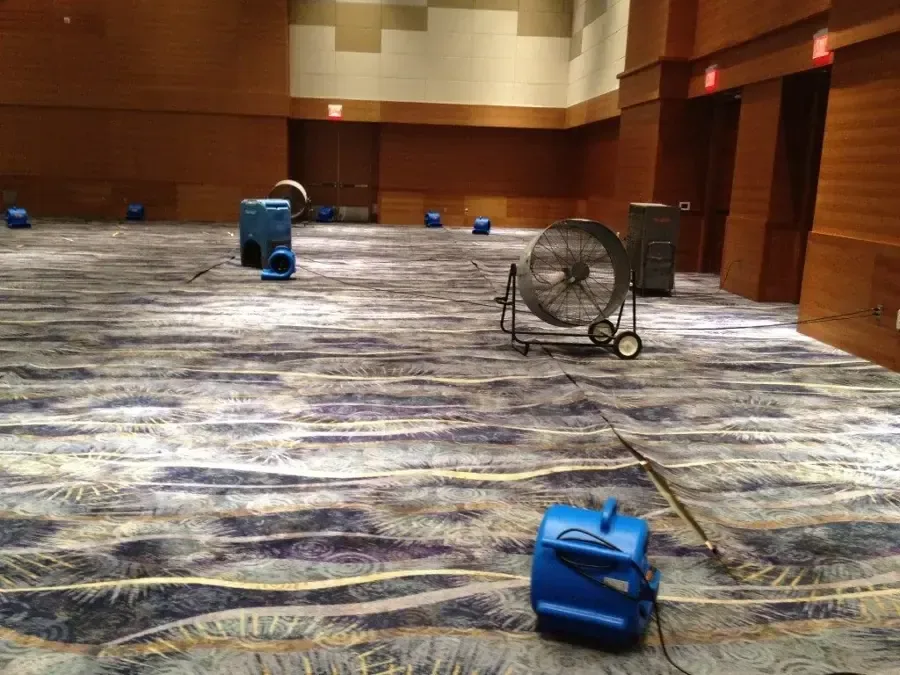 Commercial Water DamageWet workspaces affect access, contents and business activity. Divide the recovery into controlled work areas and usable routes.
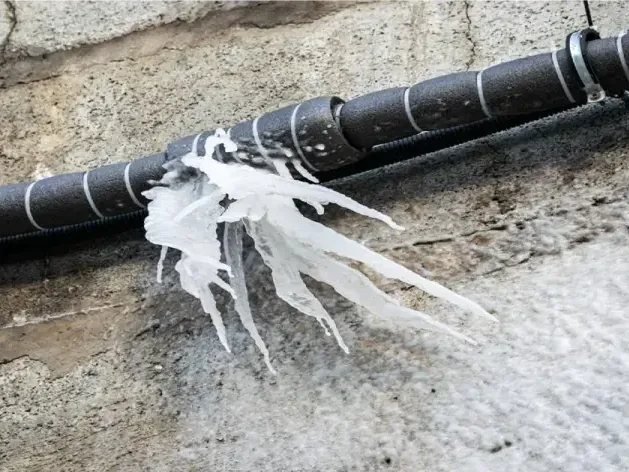 Frozen Pipe Water DamageA thawing pipe can release water unexpectedly. Locate the damaged section and inspect nearby insulated cavities for wetness.
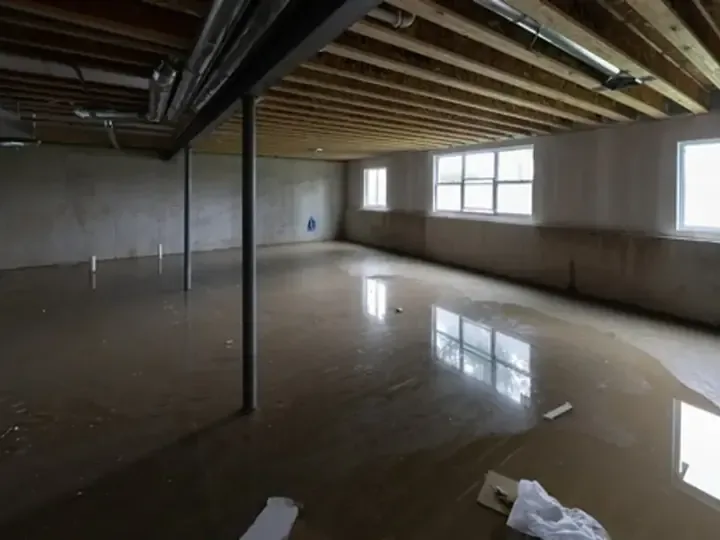
 Basement Water RemovalLower level water can surround utilities and storage. Safe pumping comes before opening finishes or sorting wet belongings.
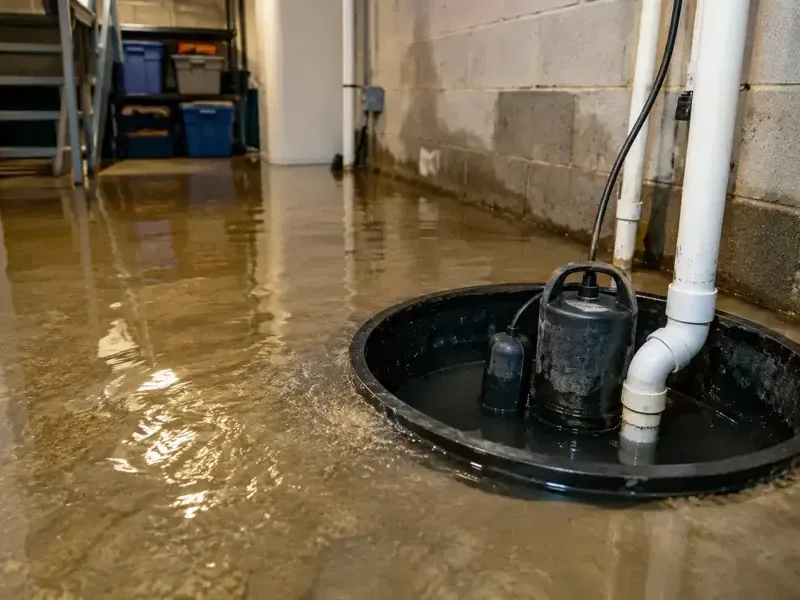
 Sump Pump Failure CleanupAn overflowing basin needs both drainage attention and cleanup. Check the failed equipment while removing water from affected rooms.
Drying follows the water through the building
The cleanup scope should connect each wet surface to the layer beneath it. Water removal, selective access and moisture tracking work together so the repair plan reflects the affected building materials.
- 1
Map the affected rooms
Initial readings and visible marks identify the work area, including adjoining spaces where moisture has crossed a threshold or traveled inside a cavity.
- 2
Recover standing liquid
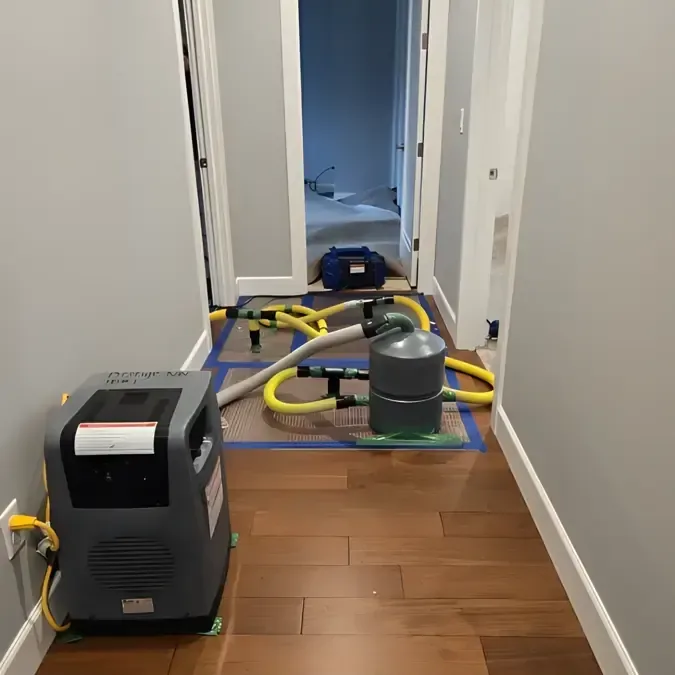
Pumps and extraction tools remove accessible water before technicians assess coverings, furniture bases and other materials that remain wet after the floor clears.
- 3
Create a drying path
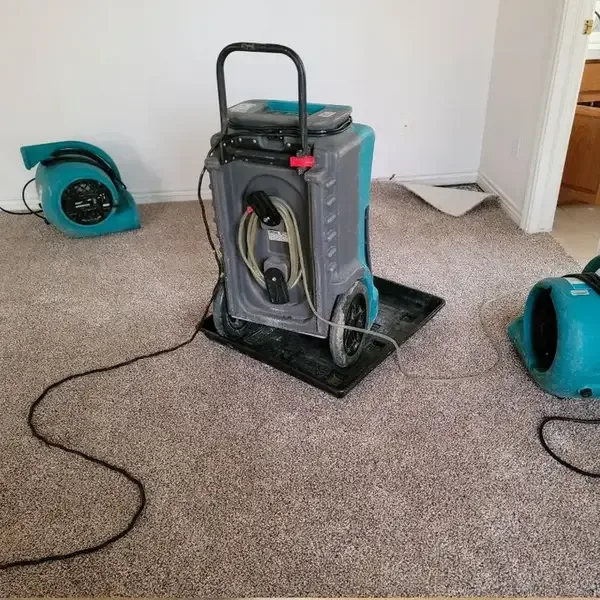
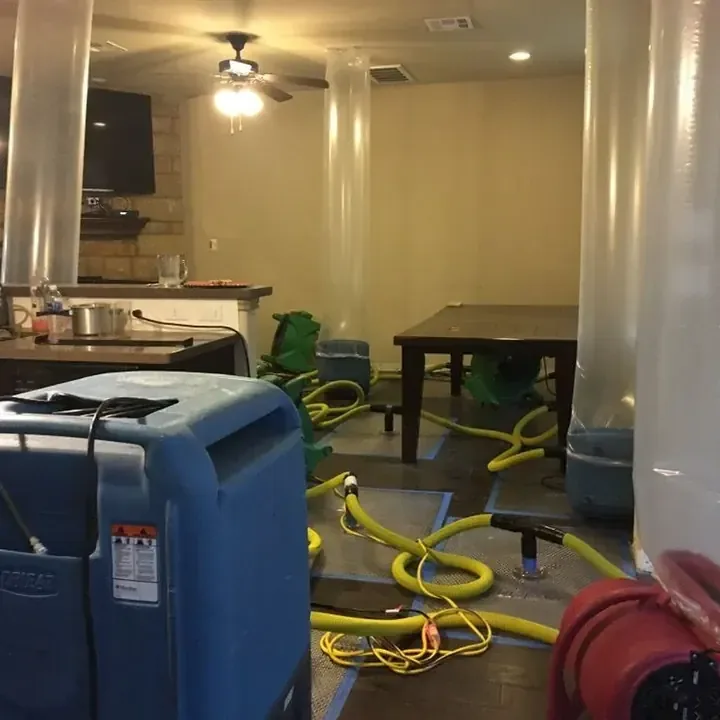
Wet assemblies are evaluated for cleaning, removal or drying access. Equipment placement addresses the material and enclosure rather than simply filling the room with fans.
- 4
Check before rebuilding
Repeat measurements show progress at marked locations. The completion record supports decisions about replacement finishes and any additional work required before normal use resumes.
Three water situations with different handling needs
Supply water on accessible floors
A recent supply leak starts with isolating the pipe and recovering pooled liquid. Contact with dirty materials and elapsed time influence how the remaining water is handled.
Explore liquid recoveryLeaks inside busy rooms
Appliances can release supply water or used wash water. The appliance connection, floor seams and concealed cabinet edges all belong in the inspection before drying equipment is selected.
Inspect the appliance areaWastewater returning through drains
Sewage brings contamination into the cleanup area. Access controls, removal of affected porous materials and surface cleaning take priority before structural drying and the return to ordinary room use.
Understand sewage handlingWhat shapes water cleanup costs in Norristown?
Room size alone cannot describe a water loss. The estimate should identify the source, water condition, materials involved and access required. A shallow puddle on an exposed floor involves different work from water trapped beneath finishes or inside connected wall cavities.
These planning ranges describe cleanup work. Source repairs, replacement finishes and the final site conditions should be identified separately in a written estimate before work is authorized.
Know what each stage accomplishes
A homeowner should be able to connect the proposed work to a visible problem or moisture reading. Clear notes make the decisions about removal, equipment and reconstruction easier to follow as the affected rooms change.
Paying directly for the cleanup
A property owner paying directly can ask for a scope divided into removal, cleaning, drying and repairs. That breakdown makes it easier to understand the work before approving equipment or material removal.
If the affected area expands during inspection, the revised scope should explain the newly discovered moisture and its location. Decisions about replacement finishes can then follow the actual condition of the building.
Build a useful claim record
Insurance decisions depend on the policy and circumstances of the loss. A clear record of the source, timing, affected belongings and cleanup work helps an adjuster understand what happened inside the property.
- Photograph the source and visible water boundaries
- Keep receipts for urgent source control work
- List damaged contents with identifying item details
- Retain the written cleanup scope and changes
- Request moisture records at the drying closeout
Access, removal and drying inside affected rooms
Describe the building and the access
A cleanup request should identify the affected floor, occupied rooms and any access restrictions. In an apartment or condominium, management coordination helps arrange inspection of spaces beside or beneath the leak.
ZIP Code 19401 overlaps the borough. The property location, entrance and room conditions help establish the visit details and the appropriate equipment access.
Explain material decisions
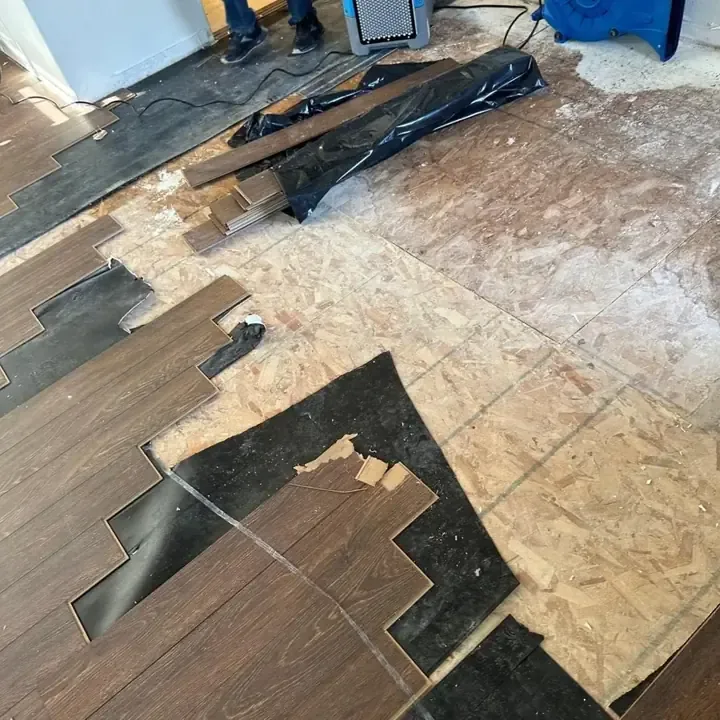
Identify finishes that can remain, those requiring access and those requiring disposal, recording the condition of each material before removal.
Track the wet boundary
Mark inspection points so follow up measurements refer to the same locations instead of relying on surface appearance or smell.
Separate trade responsibilities
Distinguish plumbing or roof repair from cleanup and rebuilding so each part of the project has a defined purpose and scope.
Keep useful records
Retain photos, equipment notes and moisture results together. A consistent record helps the homeowner discuss the loss with contractors and an insurance representative.
King of Prussia Water Damage Restoration
(888) 557-1733Explain the access needsNorristown, PA · [email protected]
Local conditions worth considering
Norristown sits along the Schuylkill River, with Stony Creek and Saw Mill Run joining it. Water source and building location shape the first questions during a cleanup assessment.
- River and tributary mapping: Municipal floodplain maps include Schuylkill River, Stony Creek and Sawmill Run. A property assessment should consider the water entry location and the actual rooms affected by an event.
- Shared spaces in the East End: The East End includes apartments, condominiums and townhouses. A leak crossing a floor or wall can require access coordination between occupants, management and the people responsible for source repairs.
- Private drain responsibility: Homeowners maintain the private sewer lateral connecting the house to the Authority main. Roots, grease and debris can obstruct that pipe and require a plumber's attention during a backup.
- Water moving downhill: Terrain near downtown is generally hilly. During an active entry problem, observations at doors, lower rooms and exterior openings help establish where water is reaching the building.
- Winter supply pipe protection: Winter daily minimum temperature normals fall below freezing. Loss of heat and exposed plumbing deserve attention, especially before an unattended building returns to normal water service.
August 28, 2011: CBS reported apartment evacuation and basement flooding in the borough. The report described affected basements on East Lafayette Street, a reminder to inspect lower level materials after standing water recedes.
Cleanup throughout Norristown
Neighborhoods and local streets
- West End
- East End
- North End
- Downtown
- Main Street
- Airy Street
- DeKalb Street
- Markley Street
Mailing area
Nearby town pages
King of Prussia, PAConshohocken, PAAmbler, PACollegeville, PAQuestions before cleanup begins
Mention the source, when it was discovered and whether water is still entering. Those details help frame the next assessment.
(888) 557-1733What information helps with the first cleanup request?
The useful starting details are the suspected source, affected floor and whether standing water remains. Mention electrical concerns, ceiling movement or wastewater before discussing belongings. Photos taken from a safe doorway can show the initial conditions without requiring entry into the affected room.
Does removing the puddle finish the job?
Water can remain beneath flooring, inside trim and behind wall coverings after the visible puddle disappears. The remaining scope depends on moisture readings and the materials involved. An accessible hard floor may need less intervention than a layered assembly with trapped water beneath it.
Who handles a blockage in the private sewer lateral?
The homeowner owns and maintains the private lateral from the house to the Authority main. Norristown Municipal Waste Authority recommends contacting a plumber to clear internal drains and the lateral before requesting its investigation of a backup. Cleanup addresses the wastewater already inside the building.
Can an apartment leak affect another occupied unit?
Water follows openings around plumbing and can move through ceilings or shared walls. Building management should coordinate access to connected areas when that spread is suspected. Inspection can then distinguish the source location from the rooms needing extraction, material removal or drying after the release.
What changes when water entered from outdoors?
Outdoor floodwater can carry soil and contamination across floors and into porous belongings. The cleanup plan includes controlled removal, washing and decisions about materials that cannot be retained. Equipment used for drying belongs after the contaminated area has been assessed and prepared for that stage.
How is the end of drying determined?
Technicians compare repeat moisture readings at documented locations with suitable drying targets. Air movement and room humidity are only part of that assessment. Floor layers, framing and wall cavities need attention when they were affected, even if the visible surface feels dry to a hand.
Should wet belongings be thrown away immediately?
Keep a record before disposal when doing so is safe. Photograph the item, note its condition and separate it from unaffected belongings. Contamination, material type and the extent of saturation determine whether cleaning is practical; a contents assessment can support that decision during the cleanup.
Will the cleanup estimate include construction work?
The written scope should distinguish mitigation from repairs and replacement finishes. Most construction projects require assessment and approval by the Construction Code Official before work begins. A contractor can identify the proposed construction scope and the plans needed for the applicable approval process.
Can residents stay while a room is drying?
That depends on safe access, contamination, utilities and how the work area can be separated from occupied space. Equipment cords and opened materials change the room's normal use. The work plan should identify restricted areas and explain how occupants can move safely around the recovery work.
Start with the source and the affected rooms
Describe the water entry and visible damage so the cleanup discussion can focus on safe access, affected materials and the next practical step.