Toilet Overflow Cleanup in Norristown
Water escaping a toilet can reach floor joints and wall bases before the bathroom is closed off. Norristown overflow cleanup separates the drain repair from contamination handling and checks where the spill traveled beyond the fixture.
(888) 557-1733Report the bathroom overflow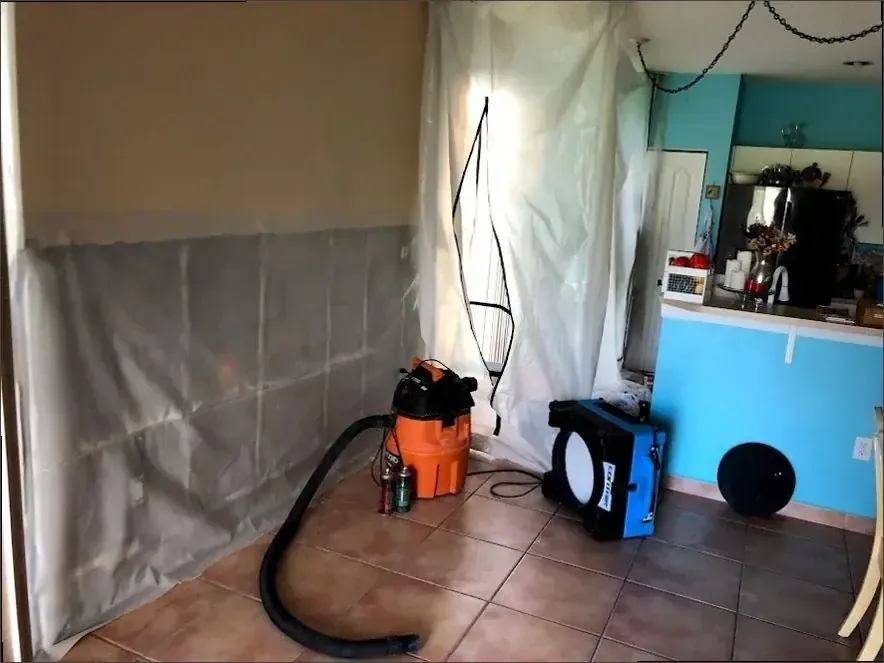
First steps for toilet overflow cleanup
- 1
Stop flushing the toilet
Keep the fixture out of use and prevent anyone from testing it again while the obstruction or wider drainage problem is being assessed.
- 2
Close off the bathroom
Keep children, pets and visitors away from the spill. Avoid carrying wet towels, mats or cleaning tools through rooms that were not affected.
- 3
Describe other drain symptoms
Mention gurgling, slow drainage or water returning at another fixture when contacting the plumber, since those observations help frame the source investigation.
- 4
Record spread outside the room
Photograph the doorway and any wet wall or ceiling below from a safe location. These details help the cleanup inspection follow the spill beyond the fixture.
How the team approaches toilet overflow cleanup
Assess the affected assembly
Toilet overflow recovery addresses the surfaces and materials contacted by the spill. The assessment identifies the water source, protects adjoining rooms and examines flooring seams or penetrations where contamination and moisture may have moved below the visible bathroom surface.
Keep the overflowing fixture unused and restrict bathroom access. Water at the doorway or through the floor should be reported so contamination handling includes every affected room in the property.
(888) 557-1733Describe bathroom spill boundariesWhat does toilet overflow cleanup cost in Norristown, PA?
Toilet overflow cleanup in Norristown depends on contamination, the bathroom finish materials and spread beneath or beyond the floor. A spill confined to an accessible surface differs from water inside a subfloor or lower ceiling. The estimate should separate cleaning and drying from drain repair and reconstruction.
Compare the inputs in the water damage cost calculator.
The toilet overflow cleanup process in Norristown
- 1
Define source and affected boundary
The assessment considers fixture symptoms and plumbing findings, then identifies the surfaces contacted by overflow and the route needed for controlled equipment and material handling.
- 2
Recover liquid without spreading residue
Water is removed with the affected area separated from dry spaces, and absorbent belongings or finishes are assessed for suitable handling based on their condition.
- 3
Clean and inspect accessible layers
Recoverable surfaces are prepared while floor edges and penetrations are evaluated for concealed spread, with additional access arranged where the spill reached the underlying assembly.
- 4
Verify conditions before room reuse
Drying results, source repair and remaining finish work are reviewed together so the bathroom can return to normal use with the cleanup scope clearly documented.
An overflowing toilet needs a source diagnosis as well as cleanup. A blockage at the fixture and a problem farther along the drain system require different plumbing attention. Repeated flushing can enlarge the spill before the cause is understood, so the affected fixture should remain unused.
Connect the drain symptoms to the repair request
Homeowners maintain the private sewer lateral from the house to the Authority main. The Authority recommends a plumber clear internal drains and the private lateral before its backup investigation. Report other slow fixtures or returning water when arranging that plumbing assessment.
In East End, North End and Downtown properties, the room layout helps define the cleanup boundary. Mention whether the bathroom adjoins a carpeted room or sits above occupied space. Water escaping at the doorway or through floor openings can require inspection outside the bathroom itself.
Keep the spill from spreading through the home
- Restrict access to the bathroom so footwear and cleaning tools do not carry residue onto dry flooring.
- Separate affected bath mats and other absorbent items for evaluation without dragging them through occupied rooms.
- Check the fixture base, trim and floor joints for moisture that remains after liquid recovery.
- Inspect the ceiling underneath when water passed through the bathroom floor or appeared around an opening.
Clean the accessible surface and assess what lies beneath
A broader sewage return requires a scope that follows the contaminated drainage release. After material handling and surface preparation, controlled structural drying addresses retained wet assemblies. The bathroom should return to use only when the source has been resolved and the cleanup condition, exposed materials and remaining repair needs have been considered together.
Toilet overflow cleanup in Norristown
Bathroom overflow assessments throughout West End, East End and North End should identify nearby rooms and the space beneath the fixture. Mention whether the spill remained inside the bathroom or reached carpet, cabinetry or a ceiling on the lower floor of the property.
The same service nearby: toilet overflow cleanup in King of Prussia, Conshohocken, Ambler.
Toilet Overflow Cleanup questions
Keep the overflowing fixture unused and restrict bathroom access. Water at the doorway or through the floor should be reported so contamination handling includes every affected room in the property.
(888) 557-1733Should another flush be tried to clear the blockage?
Repeated flushing can add water to an unresolved obstruction and enlarge the affected area. Keep the toilet unused while the cause is investigated. Report the original symptoms to the plumber, including any other fixtures that drained poorly or showed returning water during the event.
Is the homeowner responsible for the private lateral?
The homeowner owns and maintains the private sewer lateral from the house to the Authority main. The Authority recommends plumbing attention to internal drains and that lateral before its backup investigation. The wastewater already inside the bathroom remains a separate cleanup concern.
Can bathroom tile hide water underneath?
Liquid can enter joints, edges or openings around fixtures even when the tile surface is easy to wipe. The underlying assembly needs inspection if the spill reached those paths. The cleanup decision should consider hidden moisture and contamination alongside the visible condition of the tile.
What happens to wet bath mats and towels?
Their material, contact with the spill and condition determine the appropriate handling. Keep them separated from unaffected laundry and avoid moving them through dry rooms without a plan. Document damaged items before disposal when safe, and discuss cleaning options during the contents assessment.
Why check the ceiling in the room below?
Water can pass through penetrations or an affected floor assembly and emerge underneath the bathroom. A lower ceiling stain or drip indicates another area needing assessment. The scope should follow that connected damage instead of assuming the bathroom surface contains the whole spill.
Can the room reopen immediately after the drain clears?
Clearing the obstruction resolves the drainage issue but does not complete cleaning or drying. Affected surfaces, porous materials and hidden wetness still need attention. Reuse should reflect the cleanup condition and any exposed or damaged finishes remaining after the source repair is complete.
Resolve the blockage and the remaining damage
Discuss the fixture symptoms, adjoining finishes and any lower ceiling wetness to establish a cleanup scope that reaches beyond the visible bathroom puddle.