Structural Drying in Norristown
A room can look ready for repair while its lower wall or floor layers remain wet. Structural drying in Norristown uses material measurements and purposeful access to follow that retained moisture through the affected assembly.
(888) 557-1733Discuss damp building materials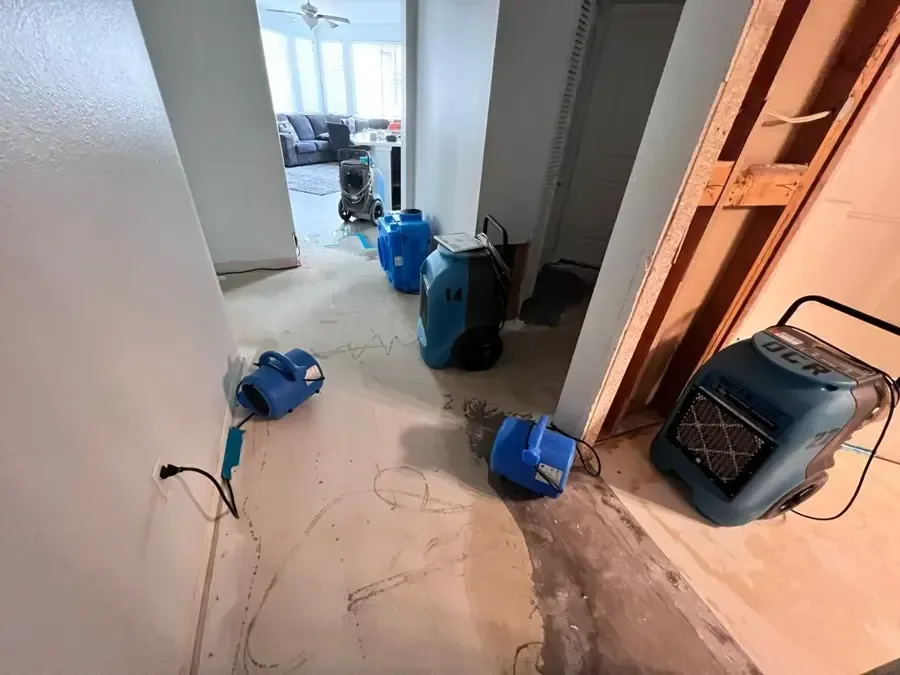
First steps for structural drying
- 1
Explain the original water path
Describe the source room and adjoining areas reached by water, including any walls or floors opened during emergency removal or source repair at the property.
- 2
Keep drying access unobstructed
Avoid replacing trim, stacking belongings against wet walls or covering exposed floor layers before the moisture assessment has established the remaining work and access needs.
- 3
Discuss equipment concerns early
Report difficulty using occupied areas or electrical concerns so the drying arrangement can be reviewed instead of switching equipment off without coordination during the recovery.
- 4
Request material based records
Ask for the affected locations, progress measurements and repair handoff details. Those records explain drying decisions more clearly than judging the room by touch alone.
How the team approaches structural drying
Assess the affected assembly
Structural drying removes retained moisture from recoverable building materials after source control and necessary cleanup. Equipment, access openings and follow up readings are selected around the affected assembly, with results documented before replacement finishes conceal the drying area again.
Keep exposed cavities and equipment routes clear while the affected materials are drying. Discuss access or noise concerns before changing the arrangement so progress can be assessed consistently.
(888) 557-1733Explain the remaining dampnessWhat does structural drying cost in Norristown, PA?
Structural drying costs in Norristown depend on the wet materials, access restrictions and equipment arrangement needed to reach them. Concealed or dense assemblies can require a different approach from exposed surfaces. The scope should explain monitoring and drying separately from demolition, source repairs and replacement of damaged finishes.
Compare the inputs in the water damage cost calculator.
The structural drying process in Norristown
- 1
Establish initial material conditions
The drying assessment identifies affected assemblies and records starting readings, considering the water path, material type and any source or cleaning work that must precede equipment operation.
- 2
Create an accessible drying arrangement
Retained materials receive appropriate exposure while air movement and dehumidification are positioned around the wet surfaces and the practical limitations of the affected occupied space.
- 3
Compare repeat measurements
Follow up checks revisit documented locations and room conditions, allowing the approach to be adjusted when a material remains wet or an access problem limits drying progress.
- 4
Explain the final material status
The handoff summarizes measurements and the retained assembly condition, identifying remaining finish repairs and giving the homeowner a clear record of the completed drying work.
Drying is a material problem rather than a question of how many fans fit inside a room. Water held in a floor layer, wall base or framing connection needs a route out. The inspection identifies those wet layers and determines whether existing finishes prevent effective access.
Use the loss history to choose inspection points
The reported basement flooding on East Lafayette Street illustrates why lower assemblies deserve attention after water removal. The Schuylkill River and Stony Creek form part of the local flood setting, but the drying plan follows the materials actually affected inside the particular property.
Marking measurement locations makes progress easier to interpret. Readings taken repeatedly at the same affected points help show whether the chosen approach is working. Nearby suitable comparison materials and the room conditions provide context for decisions about continued drying and readiness for repairs.
Give moisture a practical route out
- Assess floor coverings that may restrict drying of the substrate after the visible surface has become dry.
- Check insulation and enclosed wall spaces before relying on air movement across the outside face of the assembly.
- Position equipment to address exposed wet materials while keeping safe routes around cords and opened surfaces.
- Check progress when a location remains wet, considering access, ongoing entry and the arrangement of the equipment.
Make the closeout useful to the repair contractor
Drying follows removal of recoverable water and any cleaning required by the source. A basement loss may involve several assemblies with different moisture conditions. The completion record should identify the materials retained, measurement locations and final results, allowing the repair contractor to understand which areas were dried and which damaged finishes still require replacement before the room is restored.
Structural drying in Norristown
Drying assessments for East End, West End and North End properties should identify wet floor layers, opened walls and the status of source repairs. Mention equipment already operating and any material that remains damp so the inspection can focus on unresolved moisture within the assembly.
The same service nearby: structural drying in King of Prussia, Conshohocken, Ambler.
Structural Drying questions
Keep exposed cavities and equipment routes clear while the affected materials are drying. Discuss access or noise concerns before changing the arrangement so progress can be assessed consistently.
(888) 557-1733Can a dry surface still cover wet material?
Yes. The upper face of a covering can dry while moisture remains beneath it or inside the connected assembly. Inspection and measurements help locate that retained water. The drying plan should address the affected layer rather than relying on the appearance or feel of its surface.
Why are the same points checked repeatedly?
Consistent measurement locations make changes easier to interpret over time. They help show whether a particular material is drying as expected and whether access or equipment adjustments are needed. Recording those points also makes the completion results more useful when repairs are planned afterward.
Can occupants turn off the drying equipment overnight?
Equipment changes should be discussed with the people managing the drying plan. Noise or access concerns can be addressed through coordination, while unplanned shutdowns alter room conditions and interrupt the process. Report practical problems so the arrangement can be reviewed while maintaining the recovery work.
Does more equipment always produce better drying?
Equipment must suit the affected materials, room conditions and available access. Adding machines does not solve a blocked drying path or an unresolved leak. The assessment should connect each part of the arrangement to the wet assembly and use measurements to evaluate the actual progress.
What if a reading stops improving?
A stalled location calls for reassessment of access, material layers, equipment placement and possible continuing water entry. The response should address the reason moisture remains. Progress records help identify that issue instead of extending the same arrangement without understanding why the material is still wet.
Is dry framing the same as a fully repaired room?
Drying addresses moisture in retained materials. Replacement drywall, flooring, trim or decoration may still be needed afterward. The completion record should distinguish the finished drying work from reconstruction so the homeowner and repair contractor understand what remains before normal room use resumes.
Base the repair decision on material readings
Request an assessment of wet layers and drying access, with a clear record of the measurements supporting the eventual return of finished surfaces.