Roof Leak Water Damage in Ambler
Rain can soak attic materials before a living room shows any change. Roof leak water damage cleanup in Ambler tracks that interior path, coordinating source correction with removal and drying of the materials beneath the roof.
(888) 557-1733Discuss rain related interior damage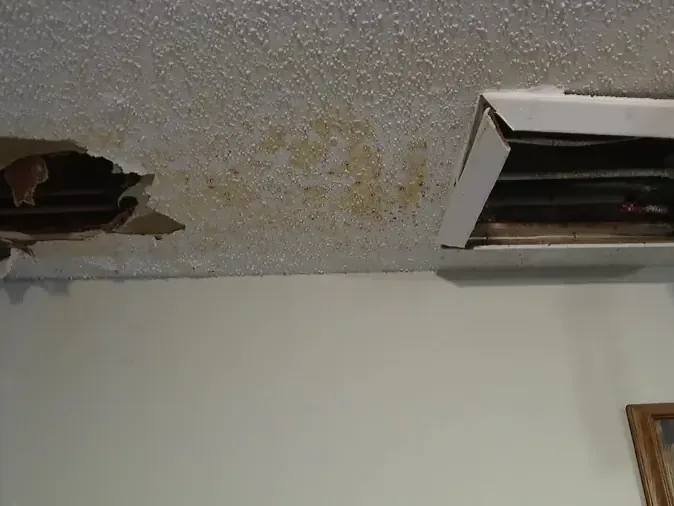
First steps for roof leak water damage
- 1
Keep off the wet roof
Avoid climbing outside to investigate rain entry. Report visible indoor symptoms and arrange suitable exterior assessment without exposing occupants to unstable or slippery surfaces.
- 2
Protect the space below
Close rooms with sagging ceilings or water near electrical fixtures. Move possessions only when the route and overhead conditions allow the task safely.
- 3
Record the rain connection
Note when indoor dripping began and whether it changes after rainfall. Safe photographs help show the ceiling marks and the rooms connected to them.
- 4
Share roofing repair status
Explain whether the entry point has been addressed or remains active. Interior drying needs that information to avoid closing materials before new water is controlled.
How the team approaches roof leak water damage
Assess the affected assembly
Interior restoration after roof entry focuses on wet insulation, framing and room finishes. A roofing repair addresses the exterior opening; cleanup determines what the water affected below and what must dry before the interior is closed.
Wet roofs, unstable attic footing and sagging ceilings need professional assessment. Keep occupants out of hazardous areas and avoid climbing into the structure to place a container beneath an inaccessible drip.
(888) 557-1733Describe where rain appeared indoorsWhat does roof leak water damage cost in Ambler, PA?
Roof leak water damage cleanup in Ambler commonly falls within $900 to $2,500 for a single interior stain area and $5,500 to $10,000 for several affected spaces. Attic access and insulation losses shape the interior scope. Roofing work and replacement finishes need separate descriptions.
Compare the inputs in the water damage cost calculator.
The roof leak water damage process in Ambler
- 1
Connect exterior and interior findings
The assessment gathers roofing information and indoor observations to establish where water entered, which rooms are involved and whether new rain remains a concern.
- 2
Evaluate the hidden materials
Accessible attic areas and affected ceiling cavities are inspected for wet insulation, framing and finishes, with safety and controlled access guiding any openings.
- 3
Remove and dry appropriately
Materials unsuitable to remain are removed, while retained assemblies receive air movement and dehumidification arranged around the actual route of interior water travel.
- 4
Confirm the repair sequence
Moisture checks help establish readiness for insulation and finish replacement. The handoff identifies remaining interior repairs and any unresolved exterior source work before closure.
The first indoor sign of roof entry may appear after insulation has already absorbed water. A ceiling mark can also sit away from the exterior defect because water follows the structure before dripping into the room. Interior cleanup therefore needs a route assessment as well as a plan to stop continued entry.
Rainfall context and the affected property
Ambler receives about 4 feet of precipitation annually on average, and borough stormwater guidance includes runoff from roofs. Tannery Run, Rose Valley Creek and Wissahickon Creek receive water through the local drainage system. Inside a building, the restoration scope follows the roof opening and wet materials discovered during inspection.
Roof work and interior mitigation serve different purposes. An exterior correction can stop new rain while leaving insulation saturated below it. If water has softened a room finish, ceiling damage assessment helps determine safe access and whether the wet area extends into adjoining walls.
Inspect from the attic toward occupied rooms
- Leave wet attic entry to an appropriate professional when footing, electrical wiring or ceiling stability creates a hazard.
- Record water marks and wet insulation as part of the interior route rather than treating each stain separately.
- Check the wall beneath a ceiling edge where water may have moved downward into another concealed space.
- Protect furnishings below the work area without asking occupants to stand under sagging or unstable finishes.
Do not seal damp materials behind repairs
Once exterior entry is controlled, the retained structure needs a drying arrangement that reaches the wet surfaces. Material drying and monitoring can establish whether moisture is declining or another opening is needed. Insulation condition and finish damage also influence what can stay. The final repair plan should distinguish roofing work, interior drying and replacement of the removed ceiling or wall finishes so each stage has a clear purpose.
Roof leak water damage in Ambler
Ambler roof leak cleanup planning includes safe access to affected ceilings and any reachable attic space. Describe the route into those areas, the occupied rooms beneath them and the status of exterior repair when arranging an interior water damage assessment.
The same service nearby: roof leak water damage in King of Prussia, Lansdale, Norristown.
Roof Leak Water Damage questions
Wet roofs, unstable attic footing and sagging ceilings need professional assessment. Keep occupants out of hazardous areas and avoid climbing into the structure to place a container beneath an inaccessible drip.
(888) 557-1733Does a repaired roof leave interior work unfinished?
It can. The exterior repair stops entry, while water already held in insulation or framing remains inside. Interior assessment determines what became wet and whether removal or drying is needed before ceiling patches and other finish repairs can proceed.
Is the roof defect directly above the stain?
Not always. Water can run along structural members or other surfaces before reaching the ceiling finish. The stain helps identify damage but is not a precise location for the exterior repair. Roof investigation and interior moisture assessment should inform each other.
Can wet attic insulation stay in place?
Its condition, type and ability to dry influence that decision. Saturated insulation can hold moisture against nearby materials and obstruct effective drying. The assessment should explain whether removal is necessary and when replacement can follow the retained structure's drying results.
Should windows stay open during equipment drying?
The drying arrangement depends on controlled indoor conditions. Outdoor air may interfere with dehumidification, particularly during wet weather. Follow the equipment plan for doors and windows, and report ventilation or occupancy concerns before changing the setup on an affected level.
What if dripping stops when the rain ends?
A pause in dripping does not finish the source repair or remove moisture inside the assembly. Record the pattern and arrange assessment while the affected route can still be identified. Hidden materials may remain wet between periods of visible entry.
How are interior repair costs separated?
The written scope should distinguish extraction, access, removal and drying from replacement insulation, ceiling finishes and roofing repairs. Each part addresses a different need. Ask how newly exposed damage will be documented if the interior opening reveals a larger wet area.
Dry the interior beneath the repaired roof
Share the affected rooms and roof repair status so the interior scope accounts for wet insulation, concealed cavities and damaged finishes.