Burst Pipe Water Damage in Collegeville
The plumbing repair may be small while the escaped water reaches several assemblies. Collegeville burst pipe cleanup follows the release through wall openings, floor edges and lower rooms so hidden dampness receives attention alongside visible damage.
(888) 557-1733Describe the pipe release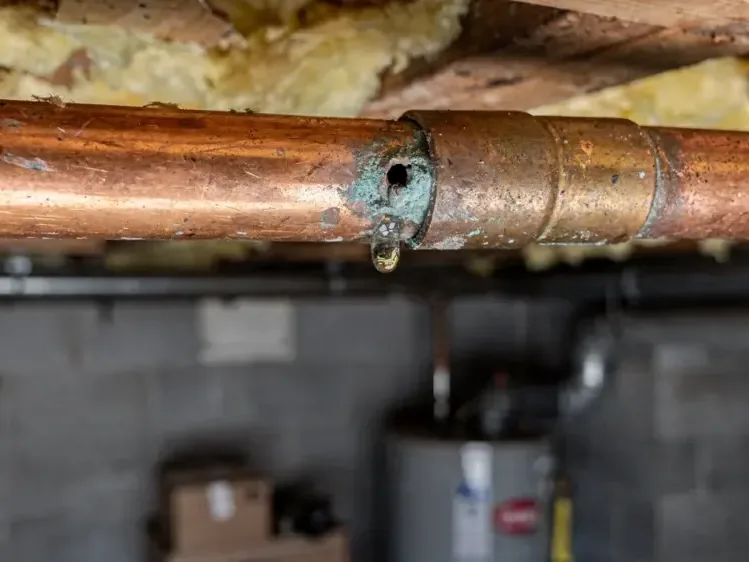
First steps for burst pipe water damage
- 1
Locate a safe shutoff
If the relevant valve is accessible from a dry position, isolate the supply. Avoid reaching past wet electrical equipment to stop the release.
- 2
Notify the property contact
In a shared or managed building, report affected rooms and any water appearing below. Access to adjoining spaces may be necessary for a complete inspection.
- 3
Keep the repair opening visible
Allow the plumbing professional to complete the source repair, then preserve access for checking adjacent framing and finishes before anyone patches the wall.
- 4
Track the visible water route
Photograph affected floor edges, wall bases and lower ceilings from safe locations. These observations help connect the pipe release with less obvious material damage.
How the team approaches burst pipe water damage
Assess the affected assembly
A ruptured supply pipe can keep feeding a wet area until isolated. Restoration addresses water that has already left the pipe, with extraction, selective access and drying matched to the materials it reached.
A leaking pipe near wiring or an electrical panel needs a safe access decision before anyone approaches the shutoff. Keep occupants away from the wet area and report that condition when requesting help.
(888) 557-1733Explain the shutoff situationWhat does burst pipe water damage cost in Collegeville, PA?
Burst pipe restoration in Collegeville is shaped by how far the water traveled and what conceals it. A single room release differs from water inside insulated walls or across floors. Written pricing should separate the plumber's repair from extraction, material removal, drying and later finish replacement.
Compare the inputs in the water damage cost calculator.
The burst pipe water damage process in Collegeville
- 1
Confirm source control
Examine the isolation or repair status and identify whether any active water remains before deciding which parts of the affected interior can be treated.
- 2
Inspect connected assemblies
Follow visible staining and measured moisture through partitions, floor transitions and rooms below, marking the working boundary for cleanup and material evaluation.
- 3
Remove and expose selectively
Extract accessible water and explain removal of damaged layers that block drying, preserving sound materials when their condition and access support retention.
- 4
Verify the drying endpoint
Compare affected materials with suitable reference conditions and record the results so patching and replacement follow the moisture condition rather than appearance alone.
A split fitting behind a wall can send water outward and downward before a stain appears. Once a plumber isolates the release, the room still needs a damage assessment. The wet footprint may extend past the access hole used for the pipe repair, particularly where flooring or insulation conceals the route.
Separate the supply problem from its aftermath
Collegeville/Trappe Joint Public Works provides borough water and sewer services. Inside an affected property, the responsible plumbing professional should establish the failed component and repair needs. Cleanup then addresses the escaped water, documenting the difference between repairing a pipe and restoring the surrounding building materials.
Trace the release through the occupied space
Collegeville Crossing, Main Street and the Ursinus College campus are distinct local settings. Access arrangements may differ between a private room and a managed building, but inspection still follows physical evidence: wet trim, discolored ceilings, damp cabinet bases and moisture readings in connected materials.
- Examine rooms below the release where water may have crossed an opening around plumbing.
- Check both sides of an affected partition when the pipe sits inside a shared cavity.
- Identify insulation that keeps moisture against framing after the outer wall surface begins to dry.
- Record flooring changes where water can travel beneath a surface into the next room.
Finish the plumbing work with a drying handoff
A sound pipe repair prevents another release, while water extraction handles accessible water left behind. Remaining material moisture calls for a separate structural drying assessment. Keep the source repair information with photographs of the damage path. That record helps explain why a wall or floor still needs work after pressure has been restored and the original leak is no longer visible.
Burst pipe water damage in Collegeville
Pipe damage assessment is available for affected interiors throughout the borough, including residential and managed properties. Provide the location, source repair status and access contact; mention any adjoining rooms that cannot yet be entered so their inspection can be coordinated.
The same service nearby: burst pipe water damage in King of Prussia, Norristown, Lansdale.
Water damage restoration in Collegeville · every town covered
Burst Pipe Water Damage questions
A leaking pipe near wiring or an electrical panel needs a safe access decision before anyone approaches the shutoff. Keep occupants away from the wet area and report that condition when requesting help.
(888) 557-1733Does a repaired pipe mean cleanup is complete?
The pipe repair stops the source, but escaped water remains in contacted materials. Flooring, insulation and framing need assessment separately. Closing the repair opening before those materials are evaluated can leave moisture concealed behind an otherwise finished wall.
Why inspect the room underneath the leak?
Water follows gravity and can pass through plumbing openings or joints in the floor assembly. A lower ceiling may be affected before the upper room looks extensively damaged. Inspection below helps identify that separate wet surface and any overhead access concerns.
Can furniture hide part of the damage?
A large cabinet or upholstered item can cover a wet floor edge and slow evaporation. Contents should be evaluated before moving them, especially when saturated. Safe repositioning allows inspection while avoiding damage to the item or spreading water into an unaffected room.
Must every wet wall be removed?
Removal depends on contamination, physical damage and whether retained layers can dry adequately. Some assemblies can be dried with suitable access, while others need selective opening. The proposed scope should explain the condition that supports each removal decision.
How should the discovery be documented?
Record when the leak was noticed, the rooms showing water and the action used to stop it. Keep the plumbing repair details with photographs of affected finishes. This sequence helps distinguish the source correction from subsequent cleanup and drying work.
Can water spread beneath an intact floor?
Joints and perimeter gaps can admit water beneath a surface that still looks sound. Moisture may remain against the substrate after the top dries. Readings and selective inspection help determine whether concealed layers require access before replacement or refinishing begins.
Address water left after the rupture
Arrange inspection of the release path, including nearby finishes and rooms below, so the plumbing repair can lead into an appropriate drying plan.