Water Extraction in Collegeville
Standing water deserves attention before it disappears into floor seams. Extraction in Collegeville starts with safe access, an understanding of the water source and a plan for the surfaces that will remain damp afterward.
(888) 557-1733Arrange removal of pooled water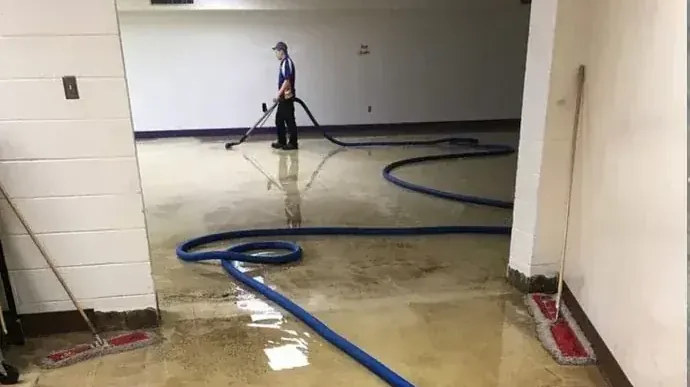
First steps for water extraction
- 1
Observe without entering
Describe visible depth and the nearest dry access point. Avoid crossing water where electrical equipment or concealed floor hazards may be present.
- 2
Identify continuing flow
Report whether a fixture remains open, rain is entering or water is rising. Removal needs coordination with whatever is sustaining the pool.
- 3
Protect unaffected belongings
Keep dry contents out of the traffic path. Leave heavy wet items in place until handling can avoid injury and additional surface damage.
- 4
Request a material assessment
Mention carpet, cabinets and connected rooms so the inspection includes retained water rather than stopping at the obvious standing area.
How the team approaches water extraction
Assess the affected assembly
Pumping and extraction remove accessible water from affected interiors. The scope also considers saturated floor coverings, low spots and adjacent materials that need moisture checks after the visible pool has been cleared.
Do not step into pooled water to retrieve equipment or operate a breaker. Describe electrical concerns from dry ground so entry and removal can be planned safely.
(888) 557-1733Discuss safe extraction accessWhat does water extraction cost in Collegeville, PA?
Collegeville extraction allowances vary with access, water depth and the number of wet surfaces. Contaminated water or water trapped under fixed finishes can expand the scope beyond pumping. An estimate should identify removal work separately from cleaning, disposal and equipment needed for subsequent drying.
Compare the inputs in the water damage cost calculator.
The water extraction process in Collegeville
- 1
Map the pool
Establish the source, visible boundary and safe working position, then identify areas where flooring or contents may conceal additional retained water.
- 2
Select removal equipment
Match pumping or surface extraction to the conditions, with a plan for recovered water and protection of unaffected routes through the building.
- 3
Work through retained water
Address accessible low points and saturated surfaces in a sequence that limits migration while revealing areas needing closer inspection after extraction.
- 4
Record the remaining moisture
Check the affected assembly and explain where cleaning, selective removal or drying is still needed before the room can move toward repair.
A room full of water and a soaked carpet need different extraction methods. The first assessment establishes where equipment can be placed safely, whether water is still entering and which finishes are holding it. Moving water out of the room is only part of managing the resulting damage.
Distinguish an indoor release from outdoor flooding
Perkiomen Creek experienced record flooding during Hurricane Ida in 2021. That history makes source identification especially relevant when outdoor water has reached an interior. A supply pipe spill requires a different cleaning discussion from floodwater that has crossed soil, debris or other contaminated surfaces.
Collegeville Crossing provides a residential setting, while Main Street is a borough transportation corridor. For any affected property, the room itself supplies the removal plan: stairs, fixed furnishings and available dry access influence how equipment reaches the wet area and how recovered water is handled.
Look beyond the deepest part of the puddle
- Water beneath a cabinet toe space can remain after the central floor has been extracted.
- Carpet and pad may hold different amounts of moisture and require separate material decisions.
- Floor transitions can conceal migration into an adjoining room with no obvious standing water.
- Wet wall bases deserve inspection even when the upper painted surface appears unchanged.
Make extraction the beginning of a complete plan
After accessible water is removed, measurements help identify what still needs controlled material drying. If the source was exterior flooding, storm cleanup decisions also address contamination and affected contents. A useful handoff records the original water boundary, the surfaces treated and any inaccessible pockets. Those details keep the remaining work focused on actual moisture rather than the appearance of an empty floor.
Water extraction in Collegeville
Extraction requests cover borough properties around Main Street, residential rooms and other affected interiors. Provide the full location, visible water condition and access constraints when arranging help; the 19426 mailing area extends beyond the borough and requires a precise destination.
The same service nearby: water extraction in King of Prussia, Norristown, Lansdale.
Water damage restoration in Collegeville · every town covered
Water Extraction questions
Do not step into pooled water to retrieve equipment or operate a breaker. Describe electrical concerns from dry ground so entry and removal can be planned safely.
(888) 557-1733Can a household vacuum remove standing water?
Equipment must be suitable for liquid recovery and safe for the electrical conditions. An ordinary vacuum is inappropriate. Deep water, contamination or uncertain power conditions require professional assessment before any powered removal equipment is brought into the affected space.
Why is the carpet still wet after pumping?
Pumping addresses pooled water, while carpet fibers and backing retain moisture differently. The pad and subfloor may also be saturated. Additional extraction or removal decisions depend on the water source, material condition and ability to reach the layers underneath.
Will extraction alone protect the wall base?
Water can enter the joint where flooring meets a wall and remain behind trim. Extraction helps reduce the available water, but material readings determine whether the wall base needs additional access or drying after the visible pool is gone.
What if the water keeps returning?
Ongoing entry needs attention alongside removal. Report whether the level rises during rainfall, fixture use or pump failure. The source may need a separate repair before extraction can produce a stable starting point for cleaning and moisture control.
Can contents stay in the room?
Some contents can be protected or repositioned, but saturated or contaminated items may obstruct the work. The inspection should distinguish salvageable belongings from items requiring separate handling and preserve a safe path for equipment without spreading water elsewhere.
What record should remain after extraction?
Useful records include the initial affected area, source observations, materials contacted and moisture remaining after removal. Photographs and written notes help explain why further drying or disposal is needed even when the floor no longer holds a visible pool.
Start with the standing water footprint
Explain which rooms are wet and whether the source continues, then arrange an assessment of removal and remaining material moisture.