Storm Flood Cleanup in Collegeville
Floodwater leaves more than a wet floor. Collegeville storm cleanup considers debris, contaminated contents and hidden contact inside building layers, with safe entry established before removal and a documented plan for cleaning the exposed interior.
(888) 557-1733Discuss floodwater entry conditions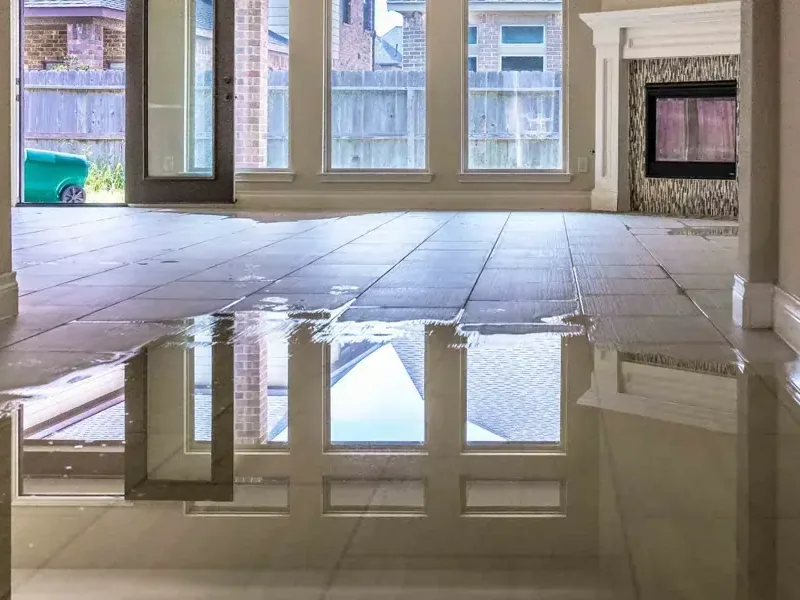
First steps for storm flood cleanup
- 1
Delay unsafe entry
Remain outside waterlogged rooms until electrical, structural and access concerns have been evaluated. Do not enter simply because the exterior floodwater has receded.
- 2
Limit contact with floodwater
Keep occupants and pets out of the affected footprint. Prevent wet footwear or salvaged items from carrying contamination through dry living spaces.
- 3
Capture accessible damage records
From safe positions, photograph the room boundary and contents. Preserve identifying information for damaged items before any necessary disposal removes them from view.
- 4
Report the route of entry
Describe doors, wall openings or lower rooms where water appeared. That information helps the inspection follow the floodwater's path through connected materials.
How the team approaches storm flood cleanup
Assess the affected assembly
Storm flooding requires a coordinated response to standing water and the materials it touched. The work identifies the entry route, removes accessible water and evaluates contaminated finishes before cleaning and drying retained parts of the building.
Receding water can leave electrical hazards, unstable finishes and contaminated debris. Keep the affected area restricted until entry and material handling have been assessed for the conditions inside.
(888) 557-1733Explain the flood access situationWhat does storm flood cleanup cost in Collegeville, PA?
Storm flood cleanup in Collegeville varies with contamination, room count and the layers needing removal. Outdoor water can create a larger cleaning scope than an indoor supply spill. Estimates should distinguish extraction, disposal, cleaning, drying and later reconstruction, with changes documented when hidden contact is uncovered.
Compare the inputs in the water damage cost calculator.
The storm flood cleanup process in Collegeville
- 1
Establish the working boundary
Assess safe entry and map floodwater contact, including contents and concealed edges, so the cleanup area reflects more than the deepest visible water.
- 2
Recover water and sort materials
Remove accessible water while evaluating affected belongings and finishes, keeping disposal decisions connected to contamination, damage and the ability to clean each item.
- 3
Clean exposed retained surfaces
After unsuitable layers are removed, treat accessible building surfaces and manage the work area to limit transfer of debris into unaffected portions of the property.
- 4
Dry and record the assembly
Monitor moisture in retained materials and document conditions for the repair handoff, with unresolved drainage or source concerns identified separately from completed interior cleanup.
Outdoor water can carry contamination into layers that a mop cannot reach. A flood cleanup assessment considers the water path through the building, the stability of wet materials and the contents that obstruct access. The visible water level matters, but it is only part of deciding what can be retained.
A borough with a documented creek flood history
Hurricane Ida flooding set a record on Perkiomen Creek in 2021 and destroyed more than 20 borough homes. FEMA hazard mitigation grants supported a flooded home buyout program. Perkiomen Bridge and Perkiomen Trail are other named features of the local setting; an affected property's own entry route determines its cleanup scope.
Separate flood recovery from runoff management
The borough regulates stormwater through a permit from the Pennsylvania Department of Environmental Protection. Its stormwater information identifies detention, retention and infiltration basins. Inside a flooded room, restoration focuses on the surfaces and cavities already contacted by water, while drainage concerns may need a separate property assessment.
- Keep people away from wet electrical systems and rooms with uncertain structural or overhead stability.
- Document the water boundary and damaged contents before disposal when safe conditions allow that record.
- Evaluate porous finishes for removal where contamination prevents appropriate cleaning of the full material thickness.
- Inspect wall bases and floor layers that can hold dirty water after the central pool disappears.
Build a recovery sequence around exposed materials
Standing water removal creates access for further evaluation, but cleanup also requires contamination decisions and cleaning of retained surfaces. Structural drying then addresses moisture left within the accessible assembly. Keep photographs and a written material list through that sequence. These records help explain why some items leave the property while others remain for treatment and eventual repair.
Storm flood cleanup in Collegeville
Flood cleanup requests can address affected properties within the borough after safe access is established. Provide the exact location, current water condition and any access restrictions; the inspection will connect the entry route with the rooms, contents and concealed materials contacted.
The same service nearby: storm flood cleanup in King of Prussia, Norristown, Lansdale.
Water damage restoration in Collegeville · every town covered
Storm Flood Cleanup questions
Receding water can leave electrical hazards, unstable finishes and contaminated debris. Keep the affected area restricted until entry and material handling have been assessed for the conditions inside.
(888) 557-1733Is outdoor floodwater treated like a supply leak?
Outdoor water can carry contamination from the surfaces and debris it crosses. Cleanup decisions therefore include cleaning and material disposal considerations beyond removal of the water itself. The assessment follows that contact through contents, floor layers and wall bases.
Can wet carpet be kept after flooding?
Retention depends on contamination and whether the entire carpet assembly can be appropriately treated. The backing and pad can hold dirty water even after the surface is extracted. Material evaluation should occur before an assumption that drying alone will make it suitable.
Should damaged belongings be discarded immediately?
Unsafe or contaminated items may need removal, but document them first when practical and safe. Photographs, descriptions and identifying details can support later discussions with the insurer. Avoid carrying wet items through clean rooms without a suitable handling plan.
Does the creek history determine every cleanup plan?
Each building needs inspection of its actual entry route, contacted materials and access conditions. A flood may affect different rooms and assemblies in different ways. The cleanup plan should describe the property's observed damage and the work needed to address it.
Can drying equipment start before cleaning?
The sequence depends on contamination and safety. Moving air across dirty materials can interfere with controlled cleanup, so removal and cleaning decisions come first where necessary. Equipment placement should follow an assessment of the affected surfaces and the working boundary.
What records help with later repairs?
Keep the original water boundary, photographs, contents list and descriptions of removed finishes. Add cleaning and moisture records as the work proceeds. This package helps the repair contractor understand the exposed assembly and helps the owner track work beyond initial pumping.
Organize the work after outdoor flooding
Describe the entry route and affected rooms to plan removal, contamination cleanup and the drying work that follows exposed surface treatment.