Sewage Backup Cleanup in Collegeville
Wastewater on the floor calls for a controlled cleanup boundary. Collegeville sewage restoration evaluates contaminated contents, porous finishes and concealed contact while the drainage cause is assessed, keeping removal and cleaning ahead of decisions about drying retained materials.
(888) 557-1733Report wastewater inside the property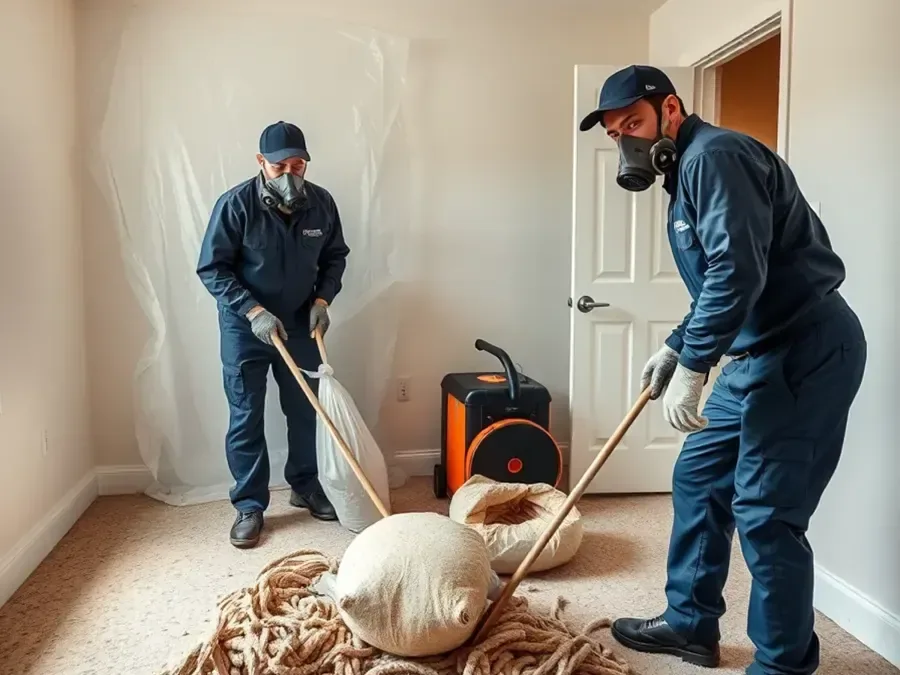
First steps for sewage backup cleanup
- 1
Keep people outside the footprint
Prevent children, pets and unnecessary traffic from entering the contaminated area. Do not carry wet belongings through clean rooms before their handling has been planned.
- 2
Limit contributing fixture use
Report which drains or fixtures are involved and follow the plumbing professional's direction about use. Further discharge can enlarge the wastewater contact area during cleanup.
- 3
Avoid household air movement
Do not aim ordinary fans across contaminated surfaces. Equipment use should follow an assessment of exposure controls, removal needs and the appropriate cleanup sequence.
- 4
Identify affected contents safely
Record items and surfaces from a clean position when possible. Leave saturated porous belongings for controlled evaluation rather than sorting them directly in the wastewater.
How the team approaches sewage backup cleanup
Assess the affected assembly
Sewage cleanup manages wastewater and the building materials it has contacted. The work includes access controls, removal of unsuitable porous layers and treatment of retained surfaces, with drainage repair coordinated separately from the interior restoration scope.
Keep wastewater away from occupants and avoid moving contaminated belongings into clean rooms. Describe the affected drains and interior spread so access controls and source assessment can be coordinated before handling begins.
(888) 557-1733Explain the wastewater contact areaWhat does sewage backup cleanup cost in Collegeville, PA?
Sewage cleanup costs in Collegeville reflect contaminated surface area, porous material removal and concealed contact. A limited accessible release differs from wastewater inside several assemblies. The estimate should distinguish drainage correction, disposal, cleaning and drying, with reconstruction described separately after the remaining building materials have been evaluated.
Compare the inputs in the water damage cost calculator.
The sewage backup cleanup process in Collegeville
- 1
Define exposure and work routes
Assess wastewater contact and establish access for removal equipment and debris, protecting unaffected spaces while the drainage cause is investigated by the appropriate professional.
- 2
Recover wastewater and evaluate contents
Remove accessible liquid and assess belongings and finish layers, recording which items require disposal and which retained materials can receive appropriate cleaning after access is established.
- 3
Treat the exposed building surfaces
Clean retained surfaces after unsuitable porous layers are removed, maintaining the working boundary and checking edges where contamination may extend beyond the original visible pool.
- 4
Dry and prepare the repair record
Monitor retained assemblies after cleaning, then document material conditions and remaining repair tasks so the owner can distinguish completed cleanup from reconstruction and drainage correction.
A sewage backup can leave contamination beyond the darkest puddle. Wastewater moves beneath stored items, into wall bases and through floor joints, making the full contact area important. Cleanup should establish a controlled route for workers, equipment and removed materials before disturbed contents carry contamination into dry living spaces.
Keep sanitary service and storm drainage distinct
Collegeville/Trappe Joint Public Works provides water and sewer services. The borough also monitors storm sewer outfalls, including dry weather flows. A wastewater backup inside a building needs a plumbing assessment of its own cause, alongside cleanup of the surfaces and contents already affected by the release.
Map contact before sorting the room
Main Street, Collegeville Crossing and Ursinus College identify different borough settings where the responsible property contact may need to arrange entry. The interior assessment follows the actual wastewater footprint, including porous finishes and any lower spaces reached through the floor. Keep that boundary clear while drainage work is coordinated.
- Separate affected absorbent belongings from dry contents before deciding how anything leaves the room.
- Inspect wall bases and cabinet edges that can hide wastewater behind the visible finish surface.
- Document necessary removal so the reason for disposing of each material remains understandable afterward.
- Plan debris handling to limit contact with clean hallways and occupied parts of the building.
Clean the exposed assembly before closing it
If the release begins at a bathroom fixture, overflow assessment helps define the immediate source area. Broader cleanup evaluates every contacted layer before structural drying addresses retained moisture. Surface treatment and drying are related but distinct tasks. Keep records of removed materials, cleaned surfaces and final observations together so later repair work starts with a clear understanding of the exposed building.
Sewage backup cleanup in Collegeville
Wastewater cleanup assessments can address affected borough interiors once safe entry is arranged. Provide the property location, involved fixtures, current drainage status and access contact; mention any shared areas so the handling route and cleanup boundary can be coordinated with the building's occupants.
The same service nearby: sewage backup cleanup in King of Prussia, Norristown, Lansdale.
Water damage restoration in Collegeville · every town covered
Sewage Backup Cleanup questions
Keep wastewater away from occupants and avoid moving contaminated belongings into clean rooms. Describe the affected drains and interior spread so access controls and source assessment can be coordinated before handling begins.
(888) 557-1733Can ordinary mopping finish a sewage cleanup?
Mopping a visible surface cannot reach wastewater inside porous layers or concealed joints. The assessment must establish the full contact area and material condition. Controlled removal and cleaning decisions address those hidden surfaces before drying or replacement work is considered.
Should a fan be used to clear the odor?
Air movement should be planned around contamination controls and the cleanup sequence. Ordinary fans directed at affected materials can interfere with that control. Keep the area restricted and arrange evaluation of removal and cleaning needs before using household equipment there.
Who determines why the backup occurred?
A plumbing professional evaluates drainage conditions and the source of the backup. Restoration focuses on wastewater already inside the building. Keep those scopes coordinated so an unresolved drainage problem does not introduce more contamination into an area being cleaned.
Are all wet belongings handled the same way?
Material type, contamination and the ability to clean the item determine handling. Absorbent contents may require disposal while some hard surfaces can be treated. Record damaged items and discuss decisions before moving them through unaffected portions of the property.
Why open a wall after water removal?
Wastewater may enter behind the wall base or soak a porous layer that cannot be appropriately treated in place. Selective opening provides access to the contacted assembly. The scope should connect each proposed removal to observed contamination or material damage.
What indicates that repair can follow cleanup?
The drainage concern, exposed surface treatment and moisture condition of retained materials all matter. A repair handoff should identify what was removed, what was cleaned and any remaining wet areas. Replacement finishes should not conceal unresolved contamination or retained moisture.
Plan the room's controlled recovery
Arrange evaluation of contaminated finishes, contents and concealed edges, followed by a clear sequence for removal, surface treatment and retained material drying.