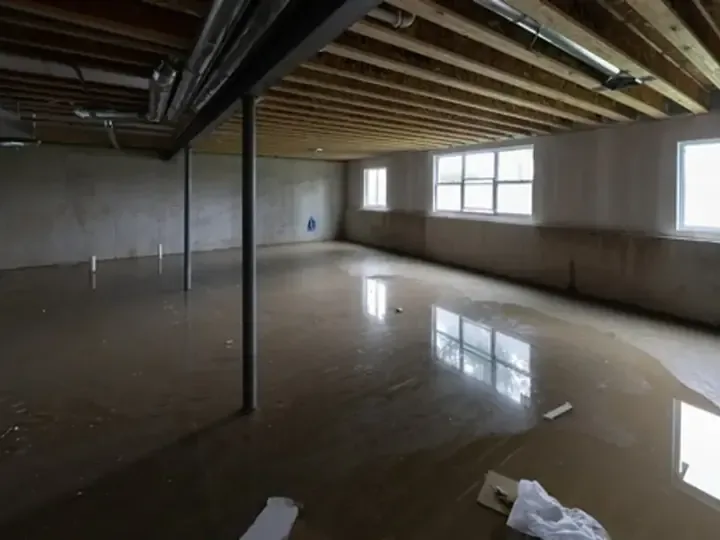
A Lansdale basement with water around the sump needs attention to the equipment and to everything the water reached. The borough lists sump pump repair, replacement and new installation among projects requiring a permit. A complete response therefore coordinates the proposed pump work with safe water removal, an inventory of affected basement materials and a separate drying plan.
Key takeaways
- Keep access restricted until wet electrical conditions and the basement route are assessed.
- Have the contractor identify why the sump equipment needs repair or replacement.
- Address the borough's permit listing before undertaking the proposed pump work.
- Move affected storage through an organized handling area after documentation.
- Follow moisture in wall bases and floor coverings after the pump is operating again.
Assess access before approaching the sump basin
The initial inspection should consider the route down to the basement and any electrical equipment near the water. A homeowner should describe the visible condition from a safe position, leaving entry into wet areas and electrical assessment to the qualified people handling the response.
Borough owned Lansdale Electric supplies most of the borough, and PECO Energy Company supplies natural gas. The property's contractor should identify the actual services and equipment involved so any isolation or service question reaches the appropriate professional before work proceeds beside the wet floor.
The sump pump failure cleanup service concerns the escaped water and affected interior. Its work plan should identify safe access, equipment placement and any restrictions that remain while the pump or electrical supply is being assessed.
- Keep household members away from water near powered equipment.
- Describe the water extent from the safe access point.
- Identify the basement entrance and alternate exit arrangements.
- Tell the contractor about appliances or stored items blocking the route.
Describe the pump problem before selecting replacement work
The repair contractor should examine the installed arrangement and document the findings. A useful record identifies the equipment inspected, the condition observed and the recommended work so the owner can understand why a repair, adjustment or replacement has been proposed.
The homeowner can supply observations such as when the basin water rose, whether the pump was running and when water appeared on the floor. Those notes help establish the event sequence while the contractor performs the equipment diagnosis and checks the accessible discharge arrangement.
Any temporary measure should be described separately from the completed repair. The drying crew needs to know whether the system is ready to operate normally and whether a further visit or equipment change could affect the water conditions in the basement during treatment.
Include the borough permit requirement in the repair plan
Lansdale's published project list includes sump pump repair, replacement and new installation among work requiring a permit. The owner and contractor should address that listing with the borough as the scope is prepared, keeping the proposed equipment work clear and specific.
The same list includes interior structural damage work. If cleanup reveals damage that requires construction beyond removing water and treating wet finishes, the contractor should describe the additional work and coordinate the applicable municipal approval with the person responsible for the property.
Permit communication belongs with the equipment or construction record, while the restoration file documents the water loss. Keeping both accessible helps the owner coordinate visits, approvals and finish repair without losing the sequence of work needed to return the basement to use.
- Write down the proposed pump repair or replacement scope.
- Identify who will communicate with the borough.
- Retain permit correspondence with the contractor's work description.
- Update the scope if newly exposed damage requires construction.
Remove basement water with a contents route in mind
The crew should establish where equipment can operate and how wet belongings will leave the work area. Storage near the basin, stairs or floor drains can affect that arrangement, making photographs and a simple contents map useful before the space is reorganized.
The basement water removal process should include the accessible floor and the transitions beneath stored items or coverings. Water removal can reveal areas that need closer material inspection, so the initial plan should allow for documenting conditions as they become visible.
A holding area for affected belongings keeps handling organized. The owner can identify valued items and records, while the contractor explains which objects need further assessment and which decisions must be made before cleaning, drying or authorized disposal moves forward.
- Photograph shelves and floor storage before movement.
- Keep containers labeled with their original location.
- Reserve clear access for hoses and equipment.
- List any belongings that require a separate specialist decision.
Check the lower walls and floor edges
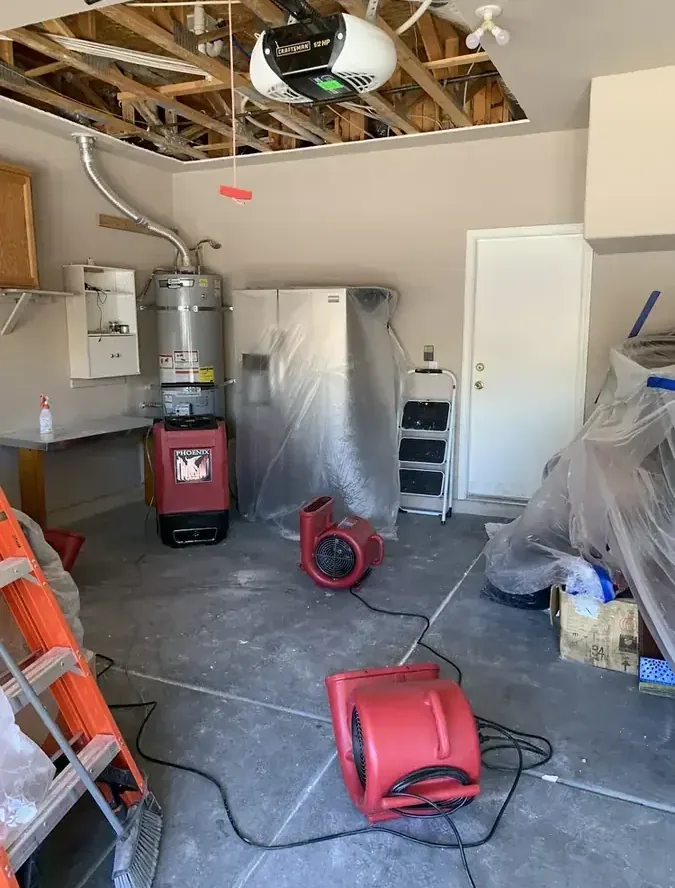
After standing water is removed, the inspection should follow the basement perimeter and the edges of any finished floor. The technician records where water contacted trim, wall materials, cabinets or stored furniture and identifies places where the assembly needs further access.
A finished wall and an exposed wall may need different treatment descriptions. The owner should receive notes about the actual layers encountered, including retained material, removed sections and any concealed area that remains difficult to reach during the first visit.
The water damage service overview brings together extraction and drying work. For a sump related loss, the estimate should connect the wet floor area to the wall or finish assemblies affected so the pump repair and the building treatment remain coordinated through completion.
Compare outdoor conditions with the pump inspection
The borough's stormwater guidance describes excess water flowing over roads and parking lots, and it identifies debris related blockage of storm and sewer drains as a maintenance concern. A property owner can record visible exterior conditions and pass them to the contractor assessing the property's drainage.
The pump report should identify the installed discharge route and any recommended correction at the property. Exterior photographs, equipment findings and the interior water map then provide a coherent account of the conditions encountered without requiring the owner to guess the repair solution.
If work reveals an additional drainage problem, it should receive its own written task and responsible contact. That keeps a recommendation about outside water management from disappearing into the drying notes once the visible basement water has been removed and the immediate disruption has eased.
- Record observable exterior water conditions from a safe location.
- Ask the contractor to describe the discharge arrangement inspected.
- Keep further drainage recommendations in the outstanding work list.
- Read any revised scope before approving additional construction.
Return stored items after the basement handoff
The final drying report should identify the retained material locations checked and the condition of any finish opening left for repair. The owner can use that record to coordinate wall or floor work and decide where belongings can be placed without obstructing an unfinished area.
The pump contractor's completion notes should remain alongside that report. They explain the equipment work, while the mitigation record explains the basement condition, giving a future contractor a useful starting point if maintenance or another water event requires another assessment.
Before storage returns, the household can organize access around the basin, equipment and future inspection points. The aim is a usable basement with clear routes and known repair needs, supported by photographs that show how the space looked when the current work was handed over.
Questions
Does Lansdale list sump pump replacement as permit work?
Yes. The borough's published list includes sump pump repair, replacement and new installation. The proposed job should be described to the borough so the contractor and owner can arrange the required process.
Should the pump be diagnosed before the cleanup scope is written?
The work can be coordinated while the equipment assessment proceeds. The restoration contractor needs current repair status and safe access information when planning removal and the treatment of affected materials.
Why inspect wall bases after the basement floor is clear?
Water contact can extend into finishes at the edge of the room. Checking those locations identifies retained layers that need monitoring and areas that require access before drying can be completed.
What records should remain with the sump equipment?
The equipment findings, completed repair description and relevant permit correspondence are useful for later service. The household should also retain the basement condition photographs and restoration handoff separately in the same incident file.