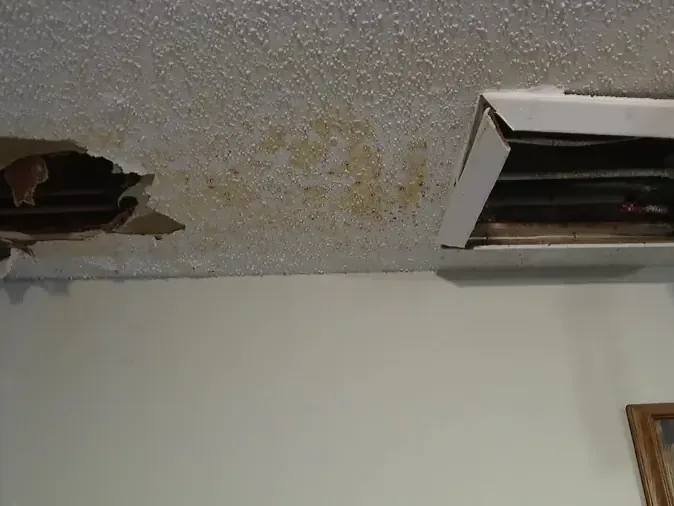
A ceiling stain after rain in Ambler calls for attention above the finished room. The borough's stormwater guidance includes runoff from roofs and describes rain as well as melting snow and ice. Inside the home, the useful question is where that water entered and which attic materials it reached before appearing on the ceiling below.
Key takeaways
- Keep roof access with the contractor equipped to assess the exterior safely.
- Document the relationship between the ceiling stain and the attic above it.
- Have insulation, framing and ceiling backing assessed as separate layers.
- Keep weatherproofing work connected to the interior drying schedule.
- Record the condition of decorative finishes before access changes them.
Connect the rain observation to an interior location
The owner can begin with a clear account of when the stain, drip or damp patch appeared. A note about rain at that time belongs beside photographs of the room, including the ceiling, adjoining wall and any visible change in the finish.
The inspection should follow that location upward through accessible building spaces. A contractor can compare the interior damage with the roof area above it and identify where additional investigation is needed, keeping the search organized around the actual assembly rather than the shape of the stain alone.
The roof leak water damage page covers the resulting wet interior materials. A useful scope links those materials to the roof contractor's findings so source repair and attic treatment can be planned together without losing track of either task.
- Photograph the ceiling from the doorway and from a safe closer position.
- Record the first appearance and later changes in the patch.
- Identify the room and any accessible attic area above it.
- Keep exterior observations for the qualified roof contractor.
Give attic access its own safety plan
An attic inspection needs suitable access and an assessment of the surfaces available for movement. The homeowner should identify the entrance and stored items while the contractor decides how to inspect the affected location without placing weight on vulnerable ceiling materials or entering unsafe areas.
Lighting, overhead clearance and the route to the suspected wet section all affect the visit. If the area cannot be reached safely, the project record should say which part remains uninspected and what access or specialist assessment is needed before work continues there.
Ambler's side streets include Victorian, Gothic and Colonial houses. For an individual home, the inspection should record the actual roof space and access arrangement, including alterations or storage that affect how the contractor can reach the moisture above the occupied room.
Inspect insulation and the surfaces beneath it
Insulation can conceal the top of a stained ceiling and the junction with surrounding framing. The crew should document its condition and determine what access is needed to assess the materials beneath it, with photographs showing the layers as they become visible.
The treatment decision should identify which material is being discussed and where it sits. A clear note about a wet insulation section, ceiling backing or adjacent framing member is more useful than a general statement that the attic needs drying, especially when only part of the space is affected.
The ceiling leak cleanup service addresses the finished room below as well. That room needs its own protection and condition record if access above disturbs the ceiling or if a damaged overhead section requires controlled removal.
- Photograph insulation before it is moved or removed.
- Label exposed ceiling backing and nearby framing separately.
- Record any concealed pocket still awaiting inspection.
- Explain removal and retention choices by material and location.
Plan weatherproofing alongside interior treatment
The roof contractor's findings should identify the repair area and any temporary protection in place. The interior team needs to know the status of that work so newly wet material is recognized promptly and the drying schedule reflects the condition of the exterior enclosure.
Borough stormwater guidance describes a system of roads, gutters, inlets, pipes, channels and swales carrying runoff. For a leaking house, the roof professional should describe the property's own drainage and entry findings, while the restoration crew documents what happened after water crossed into the building.
The owner should keep repair photographs and a short description of the work together. If another rain occurs during treatment, observations from the same interior locations can be compared with the earlier record and shared with the contractor responsible for the source repair.
- Record whether roof protection is temporary or complete.
- Give the interior crew the repair contractor's current findings.
- Keep new weather observations with the original event notes.
- Report renewed dripping before ceiling closure is scheduled.
Protect trim and decorative surfaces during access
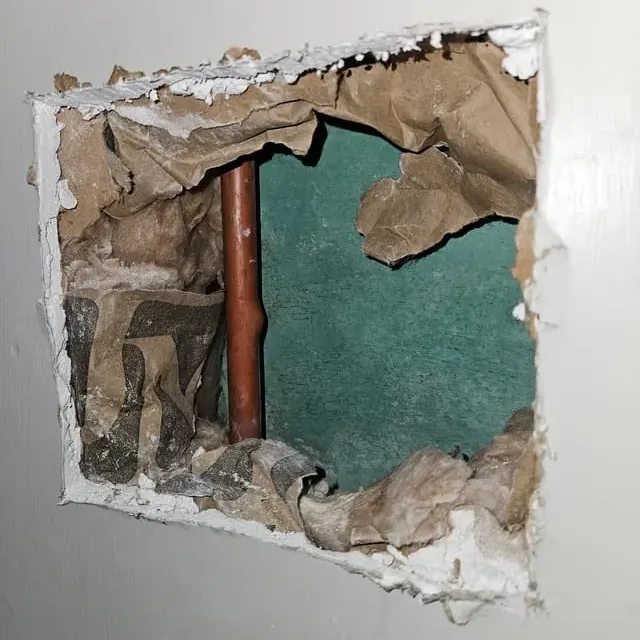
A water damaged room may contain trim, decorative ceiling details or finishes that need careful handling. The owner should point out valued features before work begins, and the contractor should photograph their position and existing condition before any protective covering or removal changes the room.
If access requires taking off a piece of trim or opening a finish, the scope should explain the purpose and the proposed extent. Reusable items can be identified by position so later repair work has a practical reference for where each piece belonged.
The local restoration overview includes both overhead leak cleanup and structural treatment. For a room with distinctive finishes, the written handoff should connect the moisture work with the repair needs, including exposed edges, removed details and surfaces awaiting decoration after the assembly is ready.
Track the attic and room as connected drying areas
The drying record should identify measurements above the ceiling as well as observations in the occupied room. Each location needs a material description so the technician can return to the same point and compare progress without relying on the changing appearance of a stain.
The borough lists Tannery Run, Stuart Farm Creek, Rose Valley Creek and Wissahickon Creek as receiving waters for its storm sewer. Inside the house, the treatment map should stay focused on the inspected attic and room boundaries so equipment serves the wet construction directly.
When a point responds slowly, the contractor should reassess access to that layer and the condition of the source repair. Any adjustment to the drying arrangement belongs in the notes, together with the location that prompted the change and the result seen on later visits.
- Use stable location labels in attic and ceiling notes.
- Describe which retained layer each reading represents.
- Document changes in the equipment or access arrangement.
- Keep the room's final photographs with the attic completion record.
Close the ceiling after the assembly is handed over
The final mitigation record should explain the condition of retained materials and list any opening left for repair. A finish contractor then has the information needed to plan replacement work without covering an area that still needs inspection or treatment.
The owner should also receive a clear list of remaining roof or room tasks. That list might concern a later roof appointment, insulation replacement, ceiling patching or trim reinstallation, depending on what was actually removed or identified during the job.
A last room walkthrough can compare the starting images with the current condition. The owner and contractor can confirm that displaced belongings, access panels and repair openings are accounted for, leaving a practical record of the work completed and the next trade's responsibilities.
Questions
Who should inspect the exterior roof after a leak?
A roof contractor should assess the exterior entry and repair needs. The interior restoration assessment can proceed with safe access to the affected rooms and coordination around the roof work's status.
Why inspect above a ceiling that only has a small stain?
The attic visit can reveal the condition of backing, insulation and adjoining framing. Those findings establish the treatment scope and help the contractor select an appropriate way to reach the wet layers.
Can decorative trim remain during ceiling drying?
The decision depends on its condition and whether it prevents required access. Photographs and position labels help preserve a useful repair record when a piece must be removed to complete the work.
What information helps after rain returns during the job?
A dated note about renewed dripping or a changed stain can be compared with previous images and readings. The owner should share that observation with both the roof and interior contractors.