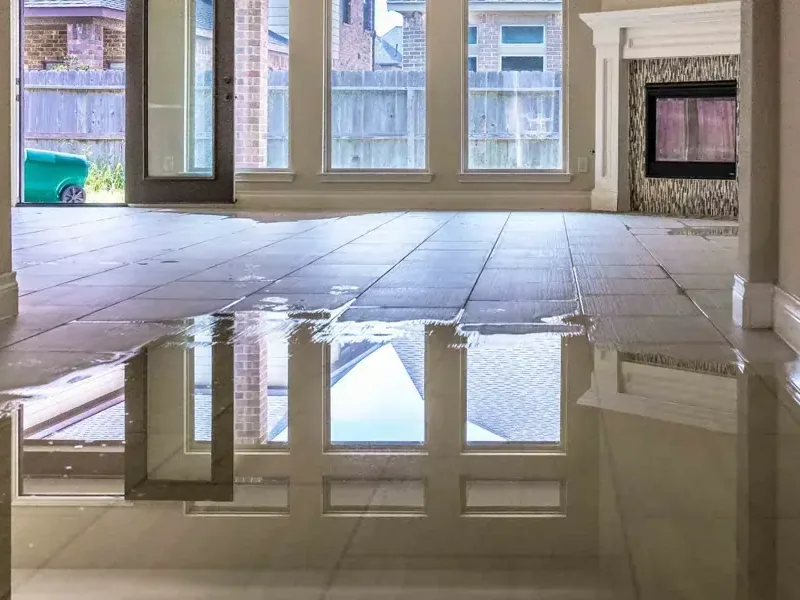
Collegeville sits on Perkiomen Creek, where Hurricane Ida flooding set a record in 2021. The borough reported that the flooding destroyed more than 20 homes. For an owner facing water inside a property, the cleanup plan begins with safe access and a record of the affected rooms, then moves through flood residue, damaged contents and the condition of the building materials left behind.
Key takeaways
- Return to an affected property only through an approved safe access route.
- Photograph sediment, water marks and contents before cleanup changes the scene.
- Separate flood affected items from belongings in clean rooms.
- Have lower level access and electrical conditions assessed before removal work.
- Keep room drying records distinct from any floodplain acquisition paperwork.
Arrange entry before starting an inventory
An owner returning after flooding needs to know whether the building and its access route are ready for entry. Damaged openings, wet electrical equipment and affected lower rooms can change what is safe, so the first visit should follow the instructions of the officials or qualified professionals assessing the property.
The inspection should identify which spaces can be reached and which must remain restricted. A room that is still inaccessible belongs on the initial plan with a reason and a followup action, allowing the contractor to prepare for it without sending household members into an uncertain area.
The storm flood cleanup scope can begin with that access plan. Photographs taken from safe locations then establish the initial condition, while the owner gathers existing room photographs or contents records that may help identify damaged belongings later.
- Confirm the permitted route into the building.
- Keep occupants away from restricted lower rooms.
- Record areas that the initial visit cannot assess.
- Preserve preloss photographs for comparison with damaged contents.
Read the flood history alongside the property's condition
The borough's account of Ida describes record flooding on Perkiomen Creek and destroyed homes. It also describes a flooded home buyout program supported by hazard mitigation grants, with acquired floodplain land intended to return to a natural state after demolition and removal of related impervious surfaces.
An owner organizing cleanup should keep any property acquisition correspondence in a separate part of the file. Decisions about entering, cleaning, repairing or transferring a particular building need to be coordinated with the people responsible for that property and the work being considered.
The interior inspection provides a different kind of information: the rooms reached by water, the residue left behind and the materials affected. Recording those conditions carefully gives the owner a practical account of the current building while any broader property decisions are handled through their own process.
Photograph the water path before disturbing sediment
Sediment on a floor, a water mark on a wall and debris at an opening help describe the loss as it was found. Wide room images should come before close photographs so another person can understand where each detail sits within the building.
A simple diagram can connect the visible entry area with affected doorways, stairs and storage spaces. The contractor then adds inspection findings to that diagram, preserving the distinction between the owner's initial observations and conditions revealed during removal or access work.
Collegeville identifies the Perkiomen Trail and historic Perkiomen Bridge among its local features. At the affected house, the most useful map is a room level record showing where cleanup is needed and where clean circulation or temporary storage can be maintained.
- Capture wall marks beside a recognizable room feature.
- Photograph debris before it is gathered for removal.
- Label the location of each close view.
- Note any water movement observed during the visit.
Sort belongings by handling needs
A flood affected contents list should describe each item or clearly identified group, its original position and the planned next action. Furniture, documents, stored clothing and household equipment may require different handling, making a single entry for everything in the room difficult to use later.
The crew should establish a holding area for items awaiting a decision and a separate route for approved removal. That arrangement protects the record as well as the workspace, since the owner can see what has been assessed and which belongings still need authorization or specialist attention.
Photographs should remain connected to the inventory after items leave their original location. Labels on containers and notes about temporary storage help prevent the common confusion of having useful close images but no reliable way to identify the corresponding object during a later inventory check.
- Use item descriptions that another person can recognize.
- Record the original room before moving a belonging.
- Keep disposal approval with the relevant inventory entry.
- Separate clean stored items from flood affected contents.
Plan lower level removal around the building
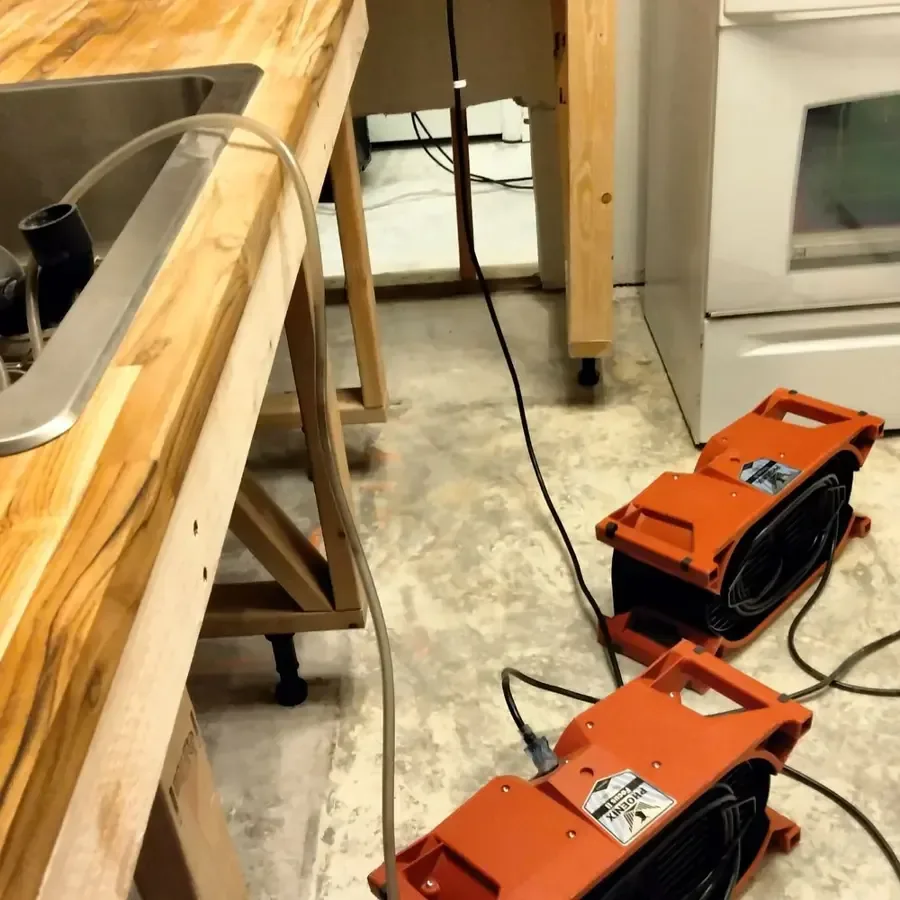
Where floodwater has entered a basement, the removal plan needs an assessment of access, utilities and the building's condition. The basement water removal page addresses the lower space as a work area with its own surfaces and routes for equipment and debris.
Stairs and narrow storage passages can control the order of work. The crew should identify how wet contents will leave, where equipment will sit and which surfaces must be reached after standing water and loose debris are removed from the accessible floor.
Any change in the building's condition during work should be recorded and reported to the person directing the project. A newly exposed damaged wall, concealed opening or inaccessible section may require another trade's assessment before the planned removal can safely continue in that area.
Evaluate retained materials after flood residue is removed
The mitigation scope should explain which materials are removed, which accessible surfaces are cleaned and which assemblies remain for further treatment. The decision record is stronger when photographs show both the original contact and the condition revealed after a covering or finish is taken away.
Retained framing, subfloor edges and wall components need identifiable measurement locations. The technician can then track their response during drying and explain any additional access required when a concealed point remains affected after the surrounding surfaces improve.
The water damage services overview provides the broader restoration context. For a flood project, the room specific scope should preserve the distinction between debris handling, contamination cleanup, retained material drying and later reconstruction so the owner can follow each contractor's responsibilities.
- Name the retained assembly in the drying notes.
- Keep removal photographs beside the initial room images.
- Record any location still awaiting access or assessment.
- Check remaining repair work before finish materials arrive.
Make the final file useful for the next decision
A property owner may need the same flood record for several separate conversations. The file should therefore be organized into a concise event account, room photographs, contents decisions, contractor work records and any correspondence concerning the future use of the property.
The borough identifies Ursinus College within the community and distinguishes the borough from the wider postal area. The owner's documents should consistently identify the actual property and relevant municipal contacts so cleanup, permit or property program questions reach the appropriate recipient.
At the last mitigation visit, the contractor should list open repair tasks and explain the current condition of each affected area. That handoff supports the next choice, whether the owner is arranging interior repairs, awaiting another professional assessment or coordinating a separate property process.
Questions
What happened on Perkiomen Creek during Ida?
The borough reports record flooding in 2021 and the destruction of more than 20 borough homes. Its subsequent account describes grant supported acquisitions of flooded properties and plans to restore acquired floodplain land.
Should damaged contents be discarded before photographs?
When conditions allow safe documentation, an item record should be made before authorized removal. The contractor can help organize photographs and disposal decisions without requiring occupants to handle contaminated belongings.
Why is a basement inspected separately after flooding?
Its access, electrical conditions, storage and exposed construction can differ from the rooms above. A dedicated plan identifies the equipment route and any area that needs another assessment before work proceeds.
What belongs in a flood cleanup completion record?
The record should connect treated rooms with removed materials, retained assemblies and final condition notes. It should also identify outstanding repairs and preserve the contents inventory for later use.