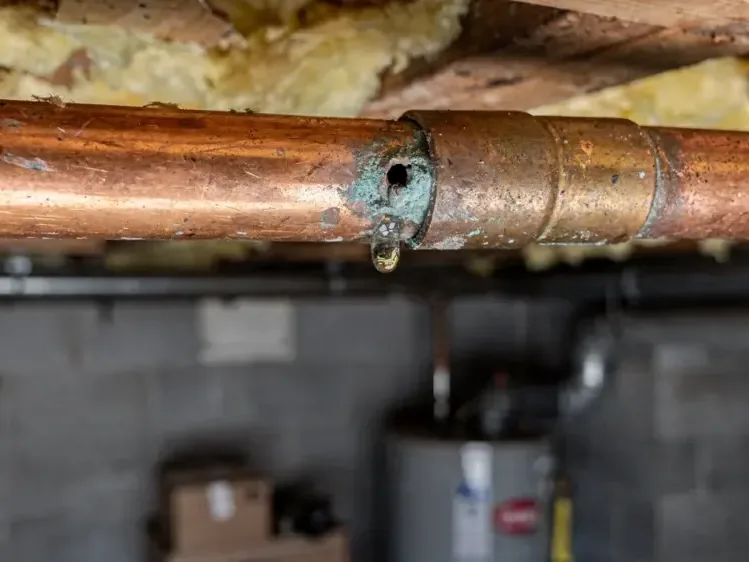
A Conshohocken water interruption can begin outside the property, while a wet room requires its own interior investigation. A main break and sinkhole on West Tenth Avenue interrupted water and gas service beginning February 11, 2026. That event offers a useful starting point for organizing utility reports, household leak observations and the work needed when water actually enters a building.
Key takeaways
- Report public service interruptions to the listed utility.
- Keep household leak observations separate from notices about street repairs.
- Photograph indoor water before safe removal changes its visible boundary.
- Ask the plumber to identify the damaged component and repair status.
- Arrange material checks after extraction, including concealed floor and wall edges.
Start with the location of the observed problem
The first useful distinction is physical: an interruption at the tap, visible street damage and water inside a room are different observations. The resident should record what is happening at the property and identify which concern needs the utility, a plumber or an interior restoration assessment.
The borough lists Aqua Pennsylvania as its water utility and PECO for gas and electricity. The February event affected more than water service, illustrating why residents should follow the relevant utility's instructions for each affected service and keep away from damaged public infrastructure.
For an active household release, the burst pipe cleanup scope concerns the water that has escaped into the building. Its inspection should begin with the actual wet rooms and the condition of the property's plumbing rather than a general description of nearby street work.
- Describe the service interruption and indoor damage separately.
- Record the time each condition was first noticed.
- Use a safe position for exterior photographs.
- Keep utility messages available for the attending contractor.
Build a timeline without filling in missing events
The household timeline should contain observations that someone can describe clearly. A loss of supply, a sound of running water, a stain appearing on a wall and a plumber's arrival each belong as separate entries with the person who observed or performed the action.
For the West Tenth Avenue event, PECO reported damage to natural gas equipment. A resident documenting an interior loss should keep any utility notice alongside the room photographs so the contractor can examine the public service information and the building's actual condition together.
A concise event record is especially useful when different people were present at different times. The owner can preserve original messages, maintenance notes and photographs rather than relying on a single account assembled after the rooms have been cleared and the visible water is gone.
Have the household source inspected before finish work
The plumber should identify the component being repaired and describe how access was obtained. If water appeared beneath a fixture or inside a wall, photographs of that location can connect the plumbing work with the wet surfaces observed by the restoration technician.
A repair handoff should also describe whether the affected section is ready for normal use and whether any additional work is scheduled. The restoration plan needs that information before a wall opening is closed or wet material is treated as part of a completed release.
Conshohocken is a borough on the Schuylkill River, with residential and commercial development. A particular property's repair plan should identify its own accessible shutoffs, fixtures and affected rooms so the work can be understood by the owner, occupant and contractor who follows.
- Ask for the failed component's location in the repair notes.
- Retain images taken before the component was concealed again.
- List any temporary repair or pending appointment.
- Give the drying crew the updated source status.
Extract the room water while preserving a useful record
Before standing water is removed, wide photographs should show its reach across the room. Close views can then document wet thresholds, furniture contact and changes in floor covering, giving the later inspection an initial boundary to compare with material readings.
The water extraction service should be matched to the surfaces and access at the property. The contractor can explain which areas will be addressed first and how contents will be moved so the equipment reaches the wet floor without losing the item record.
Water beneath fixed cabinetry or an appliance needs a specific access decision. The owner should receive a description of the hidden edge being investigated and the proposed way to reach it, especially if the removal of trim or a panel creates later repair work.
- Photograph each room from its doorway before closer views.
- Record contact with cabinets and upholstered furnishings.
- Identify items moved before the crew arrived.
- Keep the extraction boundary separate from later moisture findings.
Check retained layers after visible water is gone
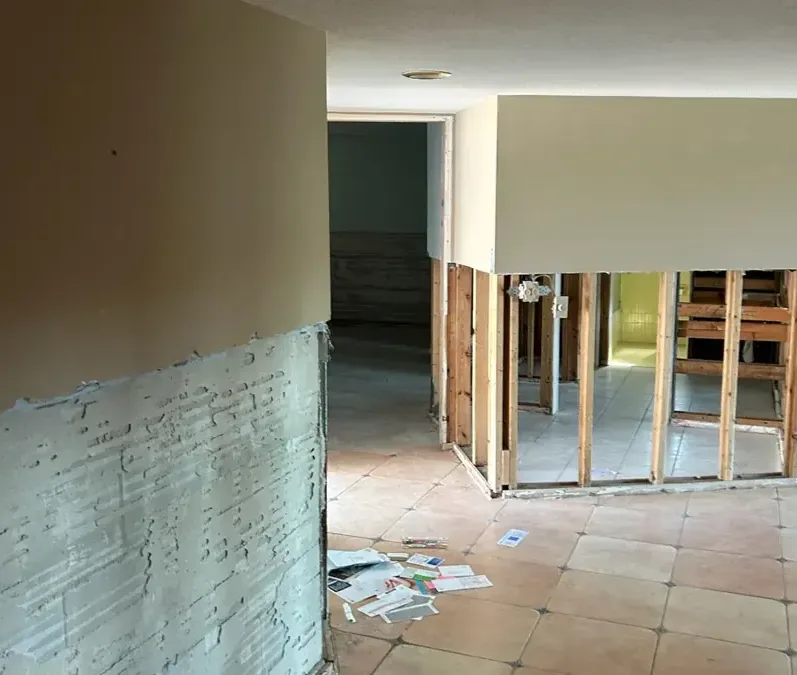
An apparently clear floor is the starting point for the next inspection. The technician checks accessible material layers and records the locations used to decide which assemblies need drying, with comparisons from appropriate unaffected areas of the same building where available.
A wet wall base may require a different approach from a damp floor edge. The treatment record should describe the material and access at each point, then connect those findings to equipment placement and any opening needed to reach moisture behind a finish.
The regional water damage overview provides the service context, while the property file supplies the specific work instructions. A useful estimate names the affected rooms and retained layers instead of treating the incident solely as a plumbing repair with incidental water on the floor.
Arrange entry while utility work continues
A property manager may need to arrange visits while public service work or a private repair affects normal building use. Occupants should know who will enter, which rooms require access and where personal belongings need to be moved before the inspection begins.
Fayette Street and Elm Street are main streets in the borough, and the community includes both residential and commercial activity. For a building with several occupants, the practical plan should describe its own entry route and service spaces so each visit reaches the required area efficiently.
The manager should keep an access record beside the contractor notes. If an inspection cannot reach a locked room or concealed service area, the next appointment needs a named contact and a clear purpose rather than leaving the incomplete location out of the project file.
- Identify the occupant who can provide access to each room.
- Confirm whether the visit requires a building representative.
- Note any inspection point deferred because of access.
- Update occupants after a temporary service restriction changes.
Close the incident with distinct completion records
Utility restoration, household plumbing repair and interior mitigation each deserve their own completion entry. The owner can then see whether a service has returned, a component has been repaired and the wet building materials have reached the contractor's documented drying endpoint.
The final room record should show remaining openings and finish repair needs. That helps a repair contractor plan patching or replacement from the current condition, while the original photographs preserve the appearance and extent of the water damage before work began.
A short outstanding task list prevents the last visit from becoming an unclear ending. Any further utility contact, plumbing appointment, material replacement or occupant access requirement should have an assigned contact and a written description of what remains to be done.
Questions
Which water utility does Conshohocken list?
The borough lists Aqua Pennsylvania. A household report should describe the service issue at that property and include any separate observation of water escaping inside the building.
Does a repaired supply pipe complete the restoration job?
The interior crew still needs to assess the materials reached by the release. Its findings determine extraction, access and drying work that may continue after normal plumbing use is restored.
What should tenants photograph after an indoor leak?
Room overviews, affected belongings, wet floor transitions and the visible source area are useful when they can be captured safely. Original files should be retained with the date and the room location.
Why keep public utility notices in the loss file?
They preserve the information supplied to occupants during the incident. The property repair and drying records can then sit beside those notices as separate accounts of the work performed inside.