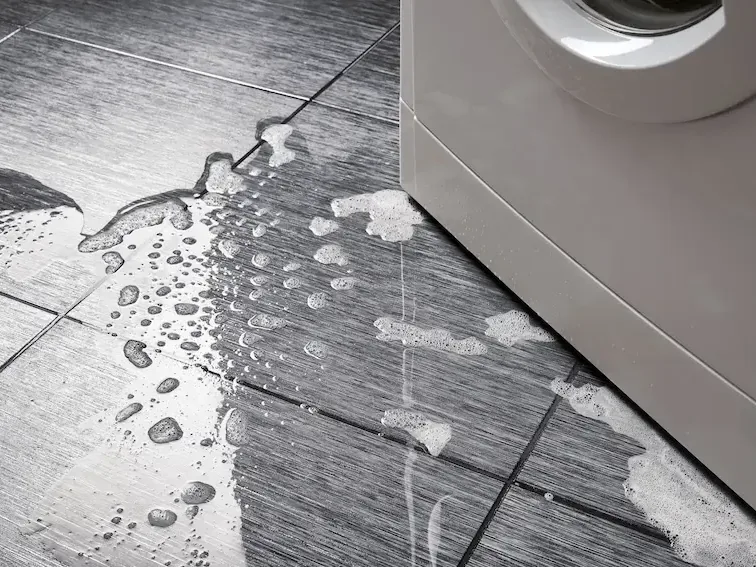
An appliance leak in Norristown's East End can become a room access problem as well as a wet floor problem. The neighborhood has added apartments, condominiums and townhouses since the early 2000s. In a property with shared management or adjoining occupied spaces, a clear notification and inspection plan helps the crew follow water beyond the appliance without losing track of each occupant's belongings.
Key takeaways
- Notify the person responsible for property access when an appliance releases water.
- Have the appliance connection and nearby electrical conditions assessed safely.
- Trace wet flooring through thresholds and beneath accessible cabinet edges.
- Record belongings by occupant and room before moving them.
- Coordinate adjacent room inspections and retain separate source repair notes.
Report the appliance and the rooms affected
The initial message to a landlord or manager should name the appliance, the room and the visible extent of the water. A concise description of when the problem was noticed and whether it is continuing gives the property contact something useful to pass to the attending contractor.
The appliance leak cleanup service focuses on the escaped water and materials it reaches. The source technician may separately inspect a hose, connection, drain or appliance component, so the event record should leave room for each contractor's findings.
In a condominium, apartment or townhouse, access responsibilities can differ between private rooms and shared service spaces. The occupant should identify the appropriate property contact early so the inspection can reach any required area with authorization and a clear plan for entry.
- Name the appliance and its position within the room.
- Describe visible water in adjoining rooms or corridors.
- Keep the property contact informed about continuing leakage.
- Save the original notification and contractor attendance notes.
Document the appliance position before it is moved
A photograph of the appliance in place shows the relationship between its base, the surrounding floor and nearby cabinets. That view can be useful after movement exposes a wet edge or changes the visible arrangement of hoses and connections behind the unit.
The contractor should decide how the appliance can be moved safely and what needs to be isolated beforehand. The occupant can prepare access by identifying nearby stored items, while leaving wet electrical connections and heavy equipment movement to the people equipped for that work.
A clear source record identifies what was found behind or beneath the appliance and which component was repaired. The restoration technician can then connect that location with the floor moisture map and decide whether additional cabinet or wall access is needed around the release.
Follow water across thresholds and finish changes
The wet boundary should be checked at the doorway and along adjoining floor transitions. A tile area beside another covering, a closet entrance or the edge beneath a cabinet can become an inspection point that is easy to miss when attention stays on the appliance itself.
The technician should label readings by room and material so later comparisons are meaningful. A threshold photograph can show why the inspection extended into a neighboring area, while the associated measurements explain whether that material needs treatment or serves as an unaffected comparison.
The structural drying process addresses the retained layers after extraction and access work. For an appliance release, the drying plan should name the floor assembly and nearby wall or cabinet components that were actually reached by water.
- Photograph each change in floor covering near the release.
- Check accessible edges beside fixed cabinets.
- Identify the adjoining room in every measurement note.
- Preserve the initial wet boundary separately from later readings.
Arrange inspection of adjoining occupied spaces
When inspection suggests water has reached a shared partition or lower ceiling, the manager should arrange access to that area. The request should explain the purpose of the visit, the affected location and any preparation the occupant needs to make before the contractor arrives.
Norristown's East End includes named residential developments such as Regatta Apartments, the Rittenhouse condominium building and the Luxor. For any particular property, its own manager and occupants determine the access arrangements required for an inspection across room or occupancy boundaries.
A separate condition record should be kept for each space entered. That makes it easier to identify whose belongings were moved, which surfaces were inspected and whether any followup visit needs an escort, key or appointment coordinated through the property representative.
- Describe the inspection purpose when requesting adjacent access.
- Keep each occupant's belongings in a separate inventory.
- Record areas that remain locked or unavailable.
- Confirm the next visit with the person controlling that space.
Handle cabinets and stored belongings deliberately
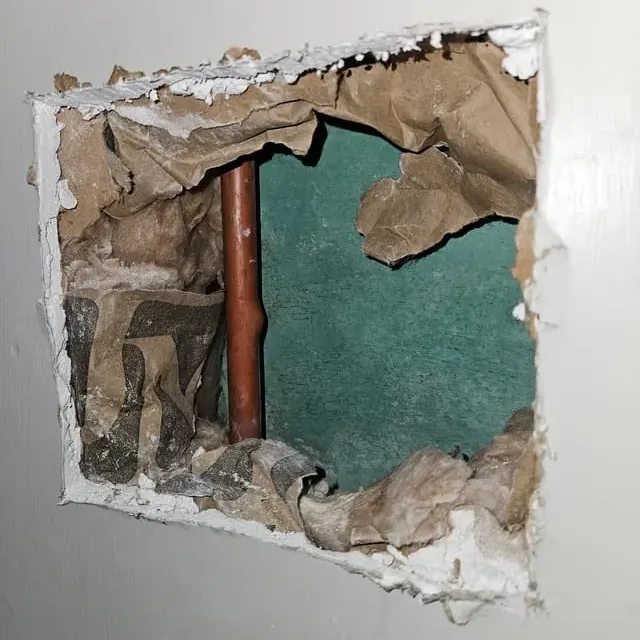
Water near an appliance often requires a close look at the storage immediately around it. The crew should photograph contents before safe relocation and identify shelves, cabinet bases or panels that prevent inspection of the wet floor or adjoining wall.
The access decision should specify the obstruction and what removing it will reveal. An owner can then understand the purpose of lifting a panel or taking off trim, while the repair contractor later receives images showing how the assembly was arranged before access changed it.
The water damage restoration overview covers the larger range of interior losses. This project's work order should remain specific to the appliance area and any connected rooms, with contents handling, cabinet access and floor treatment described as identifiable tasks.
Keep repair updates connected to the drying visits
An appliance may remain out of use while a part, connection or replacement is arranged. The owner or manager should give the restoration crew the current repair status so the plan accounts for the equipment position and any work still needed behind or beneath it.
During drying, the technician returns to the labeled locations and records material response. If the appliance must move again for service, the access change should be coordinated so measurement points, hoses and protective arrangements remain understandable to both contractors.
The household also needs a practical temporary arrangement for the affected room. The manager can explain which appliance remains unavailable and which storage or passage area must stay clear, using the current work boundary to avoid confusion between visits.
- Keep source repair updates in the shared incident record.
- Coordinate appliance movement with the drying technician.
- Maintain access to labeled inspection points.
- Tell occupants when temporary room restrictions change.
Restore room use with a complete handoff
The final visit should connect the appliance repair status with the condition of the surrounding building materials. The owner can then see what is ready for normal use and what still requires a cabinet, flooring or wall repair before the room is fully restored.
A contents reconciliation helps occupants return belongings to the right space. Items moved for access, items undergoing assessment and items approved for removal should each have a recorded outcome, especially when several people or households were involved during the initial response.
The closing photographs should show the exposed repair edges and any remaining restriction around the appliance. Alongside the source invoice and drying record, those images give the next contractor a useful description of the room and reduce the need for the occupant to reconstruct the event from memory.
Questions
Who should an occupant notify about an appliance leak?
The landlord, manager or other responsible property contact should receive a clear description of the location and active water condition. That person can coordinate authorized entry and the appropriate repair contractor for the property.
Why photograph an appliance before pulling it out?
The original view preserves its relationship to the floor, cabinets and connections. Later images can then show what changed when access revealed water or damage beneath the equipment.
Does an adjoining room need its own contents list?
Separate lists help preserve ownership and original locations when several spaces are inspected. They also make temporary storage and the return of belongings easier to reconcile at the end of the work.
When can a repaired appliance be put back in place?
The appliance contractor and restoration technician should coordinate that step around safe operation, access and the condition of the surrounding assembly. Any area still needed for inspection or repair should remain reachable.