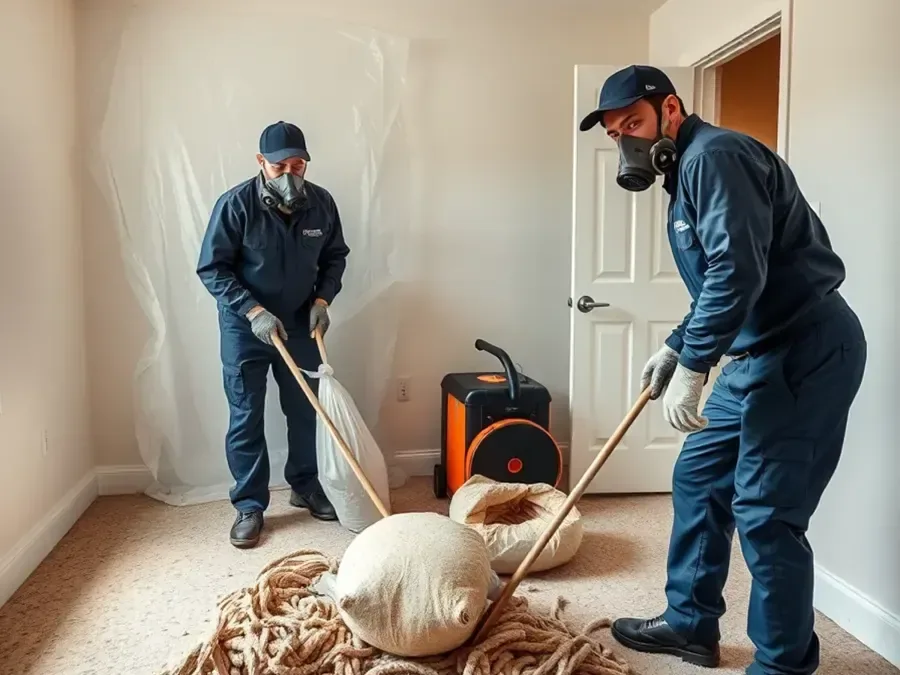
A sewage backup in Norristown creates a plumbing problem and an interior cleanup problem at the same time. Norristown Municipal Waste Authority operates the collection sewers and wastewater treatment plant, while homeowners maintain the private lateral from the house to the Authority main. Knowing that boundary helps organize the plumbing investigation while contaminated rooms remain restricted.
Key takeaways
- Keep occupants and pets away from sewage affected surfaces.
- Arrange a plumber to investigate internal drains and the private lateral.
- Preserve the plumber's findings before requesting an Authority backup investigation.
- Document contaminated finishes and contents before removal.
- Keep roof drains, downspouts and sump discharge out of sanitary sewer connections.
Separate the drainage repair from the room cleanup
The drain contractor needs to establish where the obstruction or failure sits. The restoration contractor needs to identify where sewage reached finishes, furnishings and concealed edges inside the building.
Those tasks meet at the incident record but require distinct descriptions of the work performed.
The sewage backup cleanup page focuses on affected interiors. A plumber's report should accompany that scope so the cleanup crew knows whether drainage has been restored and whether any further discharge could interrupt work in the room.
The owner can organize the initial account around what happened first: a fixture overflow, water appearing at a floor drain or wastewater returning when another fixture was used. Specific observations help the professionals ask the right questions without requiring the homeowner to diagnose the buried pipe.
- Record the fixture or drain where wastewater appeared.
- Note which household activity was occurring at that moment.
- Identify every room with visible contact or tracked residue.
- Keep the plumbing report with the interior condition photographs.
Follow the local private lateral investigation sequence
The Authority recommends contacting a plumber to clear internal drains and the private lateral before requesting its backup investigation. That sequence gives the property owner a practical starting point and creates findings that can be passed along if the public collection system needs attention.
Homeowners own and maintain the lateral from the house to the Authority main. The plumber's notes should identify the section investigated, the access used and the result of the clearing work, including any further repair recommendation that requires a separate estimate or visit.
Roots, grease and debris can obstruct private sewer laterals, according to the local Authority. The useful project record names what the plumber actually encountered and documents the restored drainage condition, allowing later maintenance or repair decisions to follow the findings at that property.
Control movement through the contaminated space
A sewage affected room should be taken out of normal household circulation while the cleanup is arranged. Shoes, pet movement and belongings carried through the wet area can extend the cleanup footprint beyond the original overflow, so the owner should establish a clean route around it.
Essential items outside the contaminated boundary can be moved to support temporary household use. Items already in contact with wastewater need an assessment and a documented handling plan before they are carried through unaffected rooms or placed beside clean storage.
A toilet overflow cleanup assessment can address the bathroom itself when that is the entry point. The inspection should also follow nearby thresholds and low edges where liquid reached a hallway, closet or adjoining finished space.
- Close access to the affected room where practical.
- Keep clean footwear and supplies outside the work boundary.
- Choose an alternate bathroom away from the cleanup area when available.
- Let the crew plan movement of contaminated belongings.
Inventory materials according to contact and access
The cleanup scope should describe which surfaces had direct sewage contact and which assemblies need closer inspection. Flooring edges, cabinet bases and the lower portions of walls are useful locations to photograph because they show the boundary between visible contamination and concealed material.
A contents list should name the item, its original location and the proposed handling decision. Photographs of packaging, furniture feet and storage containers can help explain why a particular object needs cleaning, specialist assessment or disposal authorization.
The record should remain detailed enough for another person to understand the removal choices. A room label alone is less useful than a description of the affected carpet, backing or wall section with images showing its condition before and after access was created.
- Photograph wet edges before moving floor coverings.
- Identify contents by item and room rather than by pile.
- Keep removal decisions attached to the corresponding images.
- Record any inaccessible area that needs a later visit.
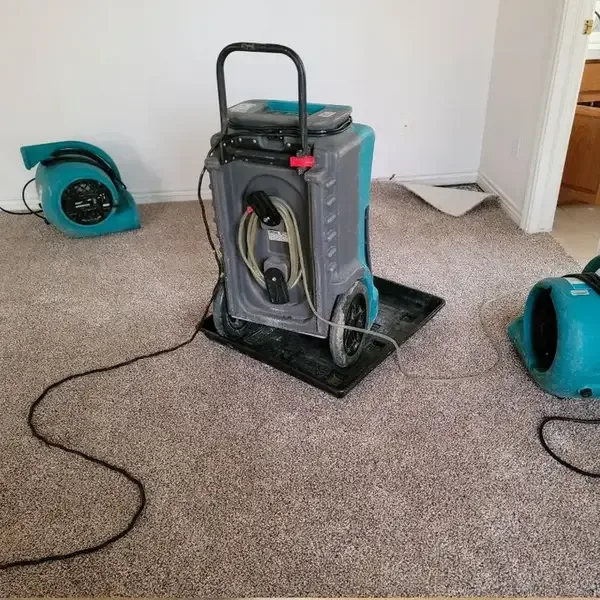
Keep stormwater connections out of the sanitary system
The Authority warns against connecting roof drains, downspouts or sump pumps to sanitary sewer pipes. Its description of the private lateral lists wastewater from sinks, showers, toilets, dishwashers and washing machines as the flows that travel from the house toward the collection system.
A plumbing inspection after a backup is a useful opportunity to identify the property's connections and any recommended correction. The contractor can explain the actual arrangement and provide a separate scope for changes, while the sewage cleanup record stays focused on the current interior loss.
Norristown sits along the Schuylkill River, with Stony Creek and Saw Mill Run joining the river in the borough. For the house receiving service, the relevant drainage plan should clearly label the sanitary fixtures and the separate routes used for roof or sump water.
Complete cleaning before the drying handoff
The restoration plan should account for contaminated material handling, cleaning of accessible surfaces and the condition of retained assemblies. Each completed task needs a location in the project record so the owner can understand what was treated and what remains open for additional work.
The crew then documents moisture in the materials selected for retention and explains how those locations will be monitored. A cleared drain may restore plumbing function while lower wall sections or floor layers still need treatment, making separate completion notes valuable for both contractors.
The water damage service overview outlines the wider mitigation options available. For a sewage loss, the owner should request a scope that explicitly describes the contamination work and the retained material drying instead of relying on a generic entry for water removal.
- Confirm drainage status with the plumber before room use resumes.
- Ask which materials remain in the assembly after cleanup.
- Identify the points used to monitor those retained materials.
- Keep any repair opening visible until its handoff is documented.
Retain a file that supports future maintenance
A good closing file contains the drainage investigation, interior photographs, contents decisions and the restoration completion record. Keeping those items together makes a future plumbing visit easier because the owner can show both the earlier obstruction findings and the area affected inside.
If the plumber recommends a repair, the owner should obtain its location and purpose in writing. That creates a clear next task with its own contractor and scheduling needs, separate from any work required to restore removed flooring, trim or wall finishes.
Household prevention discussions can then address actual use and observed pipe condition. The Authority's cautions about grease, debris and improper stormwater connections provide useful subjects to discuss with the plumber, while the property's inspection findings determine which corrections need attention.
Questions
Who maintains the private sewer lateral in Norristown?
The homeowner maintains the connection from the house to the Authority main. A plumber can describe the inspected section and provide a written recommendation when clearing reveals a need for further repair.
When should the Authority receive a backup investigation request?
Its published sequence starts with a plumber clearing internal drains and the private lateral. The owner can then provide those findings when requesting an investigation of the remaining backup concern.
Can household contents go back after the drain works again?
Room use should follow the restoration contractor's handoff. Contents handling, surface treatment and the condition of retained building materials each need to be addressed before affected storage areas return to normal use.
Why keep removal photographs with plumbing records?
The combined file explains how the drainage event affected the interior. It also gives later contractors a reference for concealed edges, previous openings and the finishes that will need replacement.