Water Heater Leak Cleanup in Lansdale
Water beside a heater can slip beneath a doorway before the tank problem is noticed. Cleanup examines the enclosure and adjoining rooms, separating appliance repair from the floor and wall moisture left behind after the release stops.
(888) 557-1733Describe the tank water spread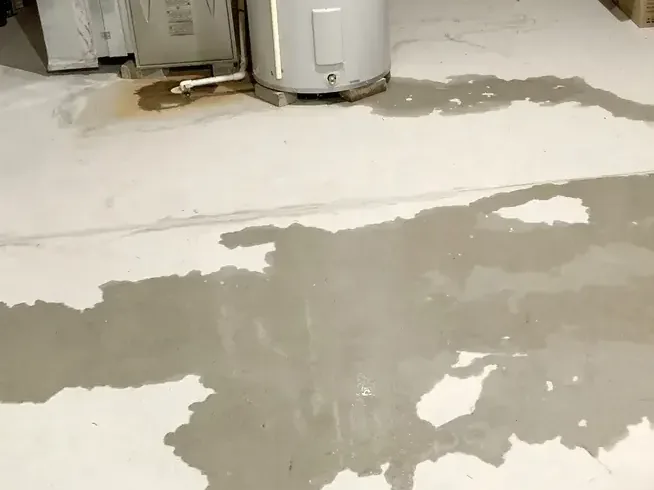
First steps for water heater leak cleanup
- 1
Avoid wet appliance controls
Do not reach through standing water to operate heater switches or connections. Report the energy source and visible leak location so safe shutdown can be arranged appropriately.
- 2
Identify the escape path
Note whether water stayed around the tank or reached a doorway, nearby closet or another room. These observations help determine where hidden edge checks should begin.
- 3
Protect accessible stored items
Move dry belongings from a safe approach and keep wet items separate for assessment. Avoid dragging soaked cartons across unaffected flooring while clearing access to the enclosure.
- 4
Coordinate heater removal
If repair requires moving the tank, arrange inspection of the exposed floor at that stage. The restoration scope can then include moisture previously concealed beneath the appliance base.
How the team approaches water heater leak cleanup
Assess the affected assembly
Water heater cleanup removes released water and evaluates the building materials around the tank. The scope includes hidden floor edges and adjoining spaces where liquid may collect after leaving the enclosure, along with drying of suitable retained surfaces.
Water around a heater can involve electrical or fuel equipment as well as wet flooring. Keep the enclosure clear of occupants until safe access and the necessary source shutdown have been established for the appliance.
(888) 557-1733Report the wet tank enclosureWhat does water heater leak cleanup cost in Lansdale, PA?
Water heater cleanup costs in Lansdale depend on the enclosure's access and the rooms reached by the release. Hidden flooring layers and wet partition bases can expand the work beyond the tank area. Estimates should distinguish water removal and drying from heater replacement, plumbing work and subsequent finish repairs.
Compare the inputs in the water damage cost calculator.
The water heater leak cleanup process in Lansdale
- 1
Inspect the enclosure
Assessment connects the tank leak with wet surfaces, nearby storage and adjoining rooms, identifying access limits before appliance removal changes the layout of the space.
- 2
Collect reachable liquid
Water is extracted from the enclosure and connected floors, including thresholds and recesses that can continue draining into cleared areas after the first removal.
- 3
Treat exposed assemblies
Drying targets retained enclosure and room materials after necessary access work. Monitoring checks for moisture beneath finishes and along the bases of neighboring partitions.
- 4
Prepare for installation
The record identifies treated floor conditions and remaining repairs so the heater installation can be coordinated with restoration of the surrounding walls and finishes.
North Penn Water Authority provides Lansdale's drinking water. When water escapes at a heater, the cleanup question is where that supply release traveled within the building. The tank may be the source, but nearby partitions, flooring layers and stored belongings can become the larger restoration concern.
Look beyond the appliance footprint
A tank enclosure can channel liquid through a threshold or along a wall before a noticeable pool forms. Removing water from beside the heater leaves those connected areas to be checked. The inspection should identify the floor finish in each adjoining room and whether moisture has reached attached cabinets or absorbent wall materials.
Coordinate access around the repair
Properties near Pennbrook station, Broad Street and Railroad Plaza can have different equipment locations. The request should describe the actual heater enclosure, access restrictions and the rooms beside it. Repair or replacement may expose flooring that was previously hidden, creating an opportunity to assess trapped water before another unit occupies the space. The technician measures the exposed floor before arranging drying equipment.
- Record the wet boundary around the tank and any path through the nearest doorway.
- Inspect stored contents that contacted water at floor level before relocating them to another room.
- Check the bottom of nearby walls for moisture extending above the visible puddle.
- Keep heater controls and energy connections within the appropriate repair professional's assessment.
Use the cleared enclosure to verify the floor
Where liquid remains, water extraction can prepare the affected area for further treatment. Structural drying then addresses moisture in retained floor and wall assemblies. The replacement schedule should allow the surrounding materials to be evaluated and treated; placing new equipment over an unassessed wet section can make the remaining restoration work harder to reach.
Water heater leak cleanup in Lansdale
A tank leak request near Main Street should include the heater's location within the building and any adjoining wet rooms. Mention whether replacement is scheduled and whether the enclosure is accessible. That information helps align the moisture assessment with appliance access and safe removal work.
The same service nearby: water heater leak cleanup in King of Prussia, Ambler, Norristown.
Water Heater Leak Cleanup questions
Water around a heater can involve electrical or fuel equipment as well as wet flooring. Keep the enclosure clear of occupants until safe access and the necessary source shutdown have been established for the appliance.
(888) 557-1733Does replacing the heater resolve the wet floor?
A replacement addresses the appliance problem, but the released water can remain beneath finishes or in nearby walls. The exposed enclosure and connected rooms need assessment. Drying and finish repairs should be planned around those materials rather than assumed complete when the new tank arrives.
Can the doorway hide water outside the enclosure?
Yes. Thresholds and changes in flooring can let water pass into adjoining layers while the visible enclosure appears contained. The inspection should check both sides of the doorway and the neighboring wall bases to define the actual spread before equipment is positioned.
Should stored items beside the tank be checked?
Items resting on a wet floor may absorb water through their bases. Their condition matters even when the upper surfaces look untouched. Assessment and separation of affected contents can keep the enclosure accessible while preventing wet materials from being moved onto clean household flooring.
Who should handle the heater's energy connections?
Shutdown and repair should be addressed by the appropriate qualified trade for the equipment involved. Occupants should avoid controls reached through wet areas. The restoration discussion can identify the water footprint while source and energy safety are handled within the separate repair scope.
Why inspect after the old tank is moved?
Removing the tank can reveal flooring and wall edges that were previously inaccessible. Those surfaces may retain moisture even after visible liquid has been extracted. Coordinating an inspection at that point allows the cleanup plan to address hidden damage before the space is occupied again.
What can expand an initially small cleanup estimate?
Water discovered under attached flooring, inside partition bases or in an adjoining room may require added access and drying. The revised scope should name those materials and explain the change. The reason should be the newly assessed damage rather than a vague increase in complexity.
Address the rooms beyond the heater
Explain the tank location, the water's route and the repair schedule so the cleanup assessment can include concealed edges and adjoining floor assemblies.